
Zhiyuan Robotics Takes Bold Step Toward Dexterous Hand Commercialization

Zhiyuan Robotics Charts New Course With Dexterous Hand Spin-off

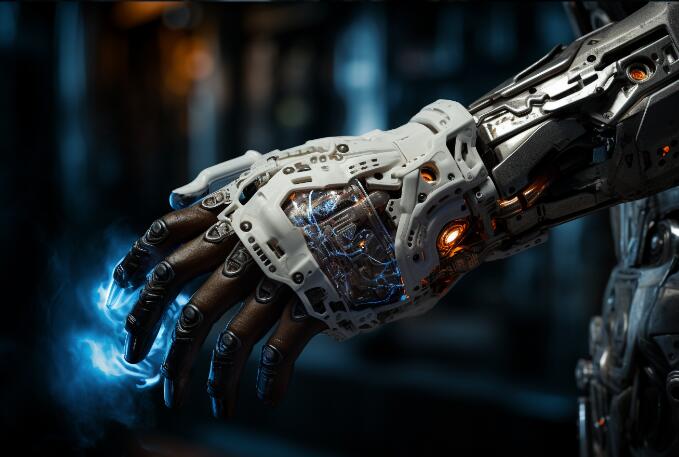
In a strategic move that could reshape China's robotics landscape, Zhiyuan Robotics has carved out its core components division to form Shanghai Linyidian Innovation Intelligent Technology Co. The newly independent entity marks Zhiyuan's push into what industry insiders call the 'deep water zone' of robotic innovation.
Image

Leadership With Proven Track Record

The spin-off didn't come quietly. At Linyidian's helm stands Xiong Kun, whose credentials read like a robotics hall of fame - from shaping Tencent's Robotics X Lab to spearheading Zhiyuan's dexterous hand development. He's joined by Zhiyuan veterans Deng Taihua and Wang Chuang, creating a dream team with 80% backing from their former parent company.

"This isn't just corporate restructuring," explains robotics analyst Li Wei. "By giving Linyidian operational independence while maintaining majority ownership, Zhiyuan gets the best of both worlds - focused innovation with strategic alignment."

Solving Robotics' Toughest Puzzle

The timing couldn't be better. Recent patent approvals for compact finger joints and control algorithms suggest Zhiyuan may have cracked one of robotics' toughest nuts: creating human-like hands that don't require industrial-scale machinery to operate.

Consider this: while most robots still rely on clunky grippers, Zhiyuan's latest designs pack multiple joints into spaces smaller than your thumb. Their January 2026 patent for "Dexterous Hand Finger" technology demonstrates precise movement control previously thought impossible at such scales.

Riding the Humanoid Robot Wave

The commercial potential is staggering. IDC projects China's humanoid robot market will balloon to $1.3 billion this year alone. As competitors like UE Tech ramp up production, the battlefield shifts toward specialized components - exactly where Linyidian now plants its flag.

The subsidiary plans dual roles: serving Zhiyuan's internal needs while supplying third parties hungry for advanced manipulation capabilities. It's a calculated gamble in an industry where component specialization often precedes mainstream adoption.

Key Points:

  • Strategic Spin-off: Zhiyuan establishes Linyidian Innovation as independent subsidiary focusing on robotic hands
  • Leadership Powerhouse: Headed by Tencent Robotics X Lab veteran Xiong Kun with strong technical team
  • Patent Progress: Recent approvals address critical size and control challenges in dexterous hand design
  • Market Momentum: Comes as China's humanoid robot sector approaches $1.3 billion valuation

Enjoyed this article?

Subscribe to our newsletter for the latest AI news, product reviews, and project recommendations delivered to your inbox weekly.

Weekly digestFree foreverUnsubscribe anytime

Related Articles

News

Galaxy General Secures 2.5 Billion Yuan Boost as National AI Fund Bets Big on Robots

Galaxy General, a frontrunner in embodied intelligence, has landed a massive 2.5 billion yuan investment round led by China's National Artificial Intelligence Industry Fund. The funding marks the state fund's first foray into humanoid robotics and includes heavyweight backers like Sinopec and SAIC Group. This landmark deal signals growing confidence that intelligent robots could be the next frontier in AI's evolution beyond screens and algorithms.

March 2, 2026
Embodied IntelligenceAI InvestmentHumanoid Robotics
News

Samsung Bets Big on AI Factories: Autonomous Tech to Revolutionize Manufacturing by 2030

Samsung is making a bold move to transform its global production lines into fully autonomous 'AI factories' by 2030. At the heart of this ambitious plan lies Agentic AI technology, originally developed for smartphones, which will now power everything from production scheduling to quality control. The tech giant plans to create self-optimizing factories where digital twins and specialized robot teams work in perfect harmony - potentially setting a new standard for manufacturing efficiency worldwide.

March 2, 2026
AI ManufacturingIndustrial AutomationSamsung Innovation
Google Brings Robotics Innovator Intrinsic Into Its Fold
News

Google Brings Robotics Innovator Intrinsic Into Its Fold

Google has officially welcomed Intrinsic, Alphabet's robotics software arm, into its core operations. This strategic move aims to merge Google's cutting-edge AI with industrial robotics, potentially revolutionizing manufacturing automation. Intrinsic will maintain independence while gaining access to Google's powerful Gemini AI models and cloud infrastructure.

February 26, 2026
GoogleRoboticsAI Integration
News

StarMap Joins China's AI Unicorn Club with $1 Billion Funding Boost

Embodied intelligence startup StarMap has secured a massive 1 billion yuan in Series B funding, catapulting its valuation past the 10 billion yuan mark. The fresh capital injection comes from heavyweight investors including Jinding Capital and BAIC Industrial Investment, with existing backers like Meituan Longzhu doubling down. With thousands of its R1 robots already serving clients from Stanford to BYD, StarMap is now setting its sights on transforming manufacturing and logistics sectors with its innovative 'system + intelligence' approach.

February 24, 2026
Artificial IntelligenceRobotics FundingChinese Tech
News

China Charts AI Manufacturing Revolution with Chip Breakthroughs

At a major industry gathering in Beijing, China unveiled ambitious plans to integrate artificial intelligence deeply into manufacturing. Officials highlighted breakthroughs in computing chips and industrial AI models as key drivers for transforming factories nationwide. The strategy focuses on technological innovation, international collaboration, and safety standards to position Chinese manufacturing at the forefront of the AI revolution.

February 4, 2026
AI ManufacturingIndustrial AutomationChina Tech Policy
News

Humanoid Robot Joints Market Poised for Explosive Growth

The actuators that power humanoid robots - essentially their muscles and joints - are driving a hardware revolution. Valued at $150 million today, this critical component market could balloon to nearly $10 billion by 2031 as robots transition from labs to factories, hospitals and warehouses worldwide. Asia leads in manufacturing automation while North America dominates healthcare robotics, both demanding actuators with unprecedented precision and durability.

January 16, 2026
RoboticsIndustrial AutomationEmerging Technologies