WhatsApp to Ban Third-Party AI Chatbots Starting 2026

WhatsApp Restricts Third-Party AI Chatbots Effective January 2026

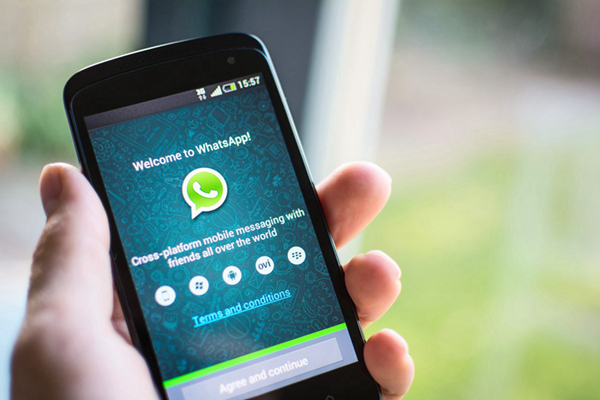
WhatsApp has announced significant updates to its Business API policies, banning general-purpose AI chatbots from operating on its platform starting January 15, 2026. The move primarily affects AI assistant services from providers like OpenAI, Perplexity, and other venture-backed startups.

Policy Changes Target AI Providers

The updated terms introduce a new section specifically addressing "AI providers," which includes companies offering:

  • Large language models
  • Generative AI platforms
  • General AI assistants

The policy states: "AI providers are strictly prohibited from directly or indirectly accessing or using WhatsApp business solutions to offer such technologies when these are the primary function."
Image

Business Use Cases Remain Unaffected

Meta clarified that the changes won't impact businesses using AI for customer service on WhatsApp. Travel companies, e-commerce platforms, and other enterprises can continue operating their customer support bots.

A Meta spokesperson told TechCrunch: "The WhatsApp Business API exists to help businesses provide customer support and send relevant updates. Our focus remains on supporting companies building these experiences."

Strategic and Technical Motivations Behind the Ban

The decision stems from two key factors:

  1. Technical Burden: Unexpected chatbot usage has strained WhatsApp's infrastructure with high message volumes.
  2. Business Model Conflict: The current API pricing structure wasn't designed for general-purpose chatbot monetization.

The policy ensures Meta maintains control over its messaging ecosystem while protecting revenue streams from business messaging - identified by Mark Zuckerberg as a "significant opportunity" during Q1 2025 earnings.

Competitive Implications

The move effectively makes Meta AI the sole assistant available on WhatsApp's platform of over 3 billion users. This prevents competitors like OpenAI's ChatGPT (launched on WhatsApp last year) from leveraging WhatsApp's massive user base.

Key Points:

  • Policy takes effect January 15, 2026
  • Targets general-purpose AI chatbots only (customer service bots exempt)
  • Driven by technical constraints and revenue protection
  • Strengthens Meta's position in business messaging market
  • Forces competitors to find alternative distribution channels
Enjoyed this article?

Subscribe to our newsletter for the latest AI news, product reviews, and project recommendations delivered to your inbox weekly.

Weekly digestFree foreverUnsubscribe anytime

Related Articles

Meta's Power Play: Zuckerberg Bets Big on Energy Infrastructure for AI Dominance
News

Meta's Power Play: Zuckerberg Bets Big on Energy Infrastructure for AI Dominance

Meta CEO Mark Zuckerberg is making an audacious move to secure the company's AI future - by building its own power grid. The 'Meta Compute' initiative plans to construct gigawatt-scale energy facilities, aiming to control what Zuckerberg sees as AI's most critical resource. With projections showing US AI power demands skyrocketing tenfold, Meta is assembling a dream team to turn electricity into its ultimate competitive advantage.

January 13, 2026
MetaArtificialIntelligenceEnergyInfrastructure
News

Meta's Llama 4 Scandal: How AI Ambitions Led to Ethical Missteps

Meta's once-celebrated Llama AI project faces turmoil as revelations emerge about manipulated benchmark data. Former Chief Scientist Yann LeCun confirms ethical breaches, exposing internal conflicts and rushed development pressures from Zuckerberg. The scandal raises serious questions about Meta's AI strategy and its ability to compete ethically in the fast-moving artificial intelligence landscape.

January 12, 2026
MetaAI EthicsTech Scandals
Meta's Spatial Lingo Turns Your Living Room Into a Language Classroom
News

Meta's Spatial Lingo Turns Your Living Room Into a Language Classroom

Meta has unveiled Spatial Lingo, an innovative open-source Unity app that transforms everyday objects into language learning tools. Using mixed reality technology, the app guides users through vocabulary practice with items in their immediate environment. Developers can explore Meta's SDKs through practical examples while creating engaging educational experiences. The project showcases how AR can make language learning more immersive and contextually relevant.

January 8, 2026
Augmented RealityLanguage LearningMeta
News

Meta's Smart Glasses Hit Snag: Orders Backlogged Until 2026

Meta's Ray-Ban smart glasses have become an unexpected hit, with demand so high that international launches are delayed until at least mid-2026. The tech eyewear, developed with EssilorLuxottica, combines fashion with AI-powered features like hands-free information display and voice interaction. With U.S. orders already stretching years into the future, Meta is scrambling to boost production before expanding globally.

January 7, 2026
MetaSmartGlassesTechShortage
News

Meta's AI Shakeup: LeCun Questions New Leader's Credentials

AI pioneer Yann LeCun didn't mince words about Meta's new AI chief Alexandr Wang, calling him inexperienced in research leadership. The criticism comes as Zuckerberg reshuffles Meta's AI team following disappointing performance. LeCun reveals deep divisions over Meta's AI direction while launching his own venture focused on alternative approaches.

January 4, 2026
MetaArtificial IntelligenceTech Leadership
Meta's AI Scandal: Leaked Admission Reveals Llama 4 Test Manipulation
News

Meta's AI Scandal: Leaked Admission Reveals Llama 4 Test Manipulation

Meta faces a credibility crisis as outgoing AI chief Yann LeCun admits the company manipulated benchmark tests for its Llama 4 model. The revelation comes after months of developer complaints about performance gaps between advertised and actual results. This ethical breach led to internal shakeups, including LeCun's departure and the dismantling of Meta's GenAI team. The incident raises serious questions about corporate transparency in AI development.

January 4, 2026
MetaAI EthicsLlama Models