Universities Crack Down on AI-Generated Academic Work
The academic landscape is undergoing a seismic shift as universities worldwide implement strict policies against AI-generated content in student work. What began as a tool for research assistance has sparked heated debates about originality and academic honesty in higher education.
The Policy Shift Fudan University made headlines by becoming China's first institution to formally regulate AI use in undergraduate theses. Their groundbreaking policy, the "Regulations on the Use of AI Tools in Undergraduate Graduation Theses," establishes clear boundaries for technology-assisted writing. This move has triggered a domino effect, with prestigious institutions like Communication University of China and Beijing Normal University following suit.

Student Dilemmas Many students report using AI tools primarily for research organization and initial drafting. However, cases like Xiao Zhang's highlight the risks of over-reliance - his outsourced paper contained obvious AI-generated content, jeopardizing his academic standing. "I thought I was saving time," Zhang admits, "but I nearly compromised my entire degree."
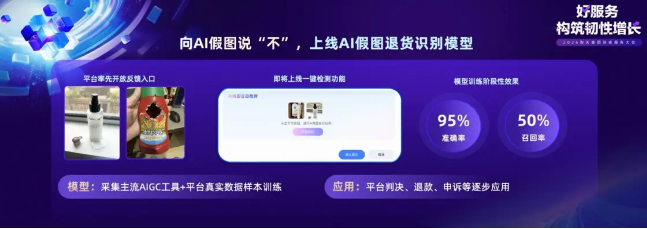
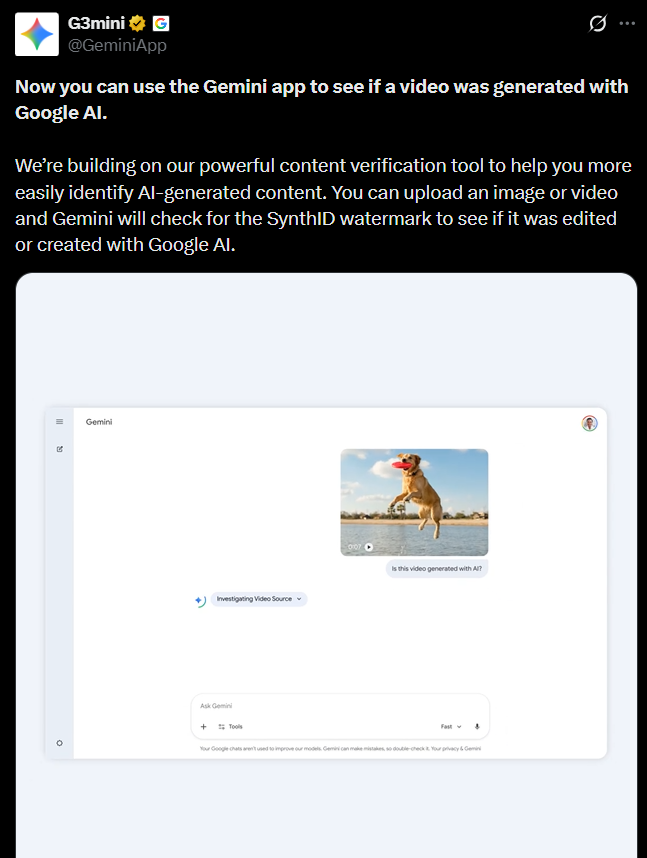
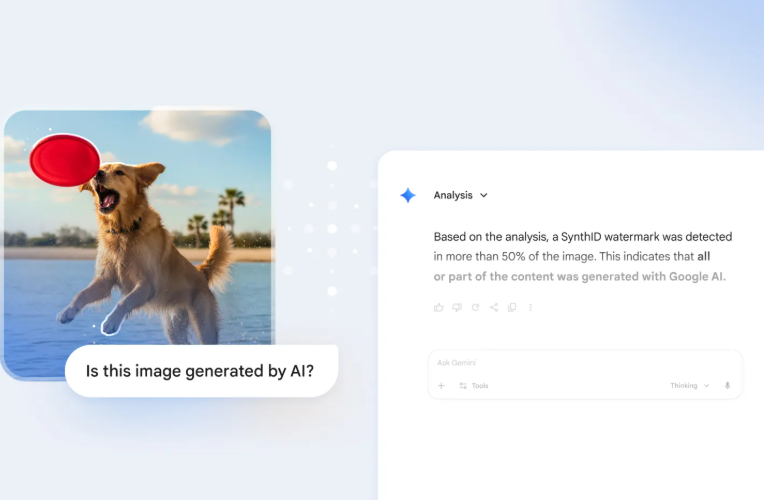
Detection Challenges Beijing's Digital Economy Research Institute warns that current detection methods remain imperfect. False positives could unfairly penalize students, while sophisticated AI writing might evade detection altogether. Universities now face the complex task of developing nuanced policies that protect academic standards without stifling technological progress.
As institutions navigate this new terrain, one message comes through clearly: while AI can enhance research, critical thinking and original analysis remain irreplaceable hallmarks of true scholarship.
Key Points
- Fudan University pioneered China's first formal policy regulating AI use in academic work
- Detection technology struggles to reliably identify AI-generated content without false positives
- Students risk severe academic consequences when submitting AI-written papers as original work
- Universities must balance technological advancement with maintaining academic integrity standards