Taobao and Tmall Crack Down on Fake Refunds with AI Image Detection
E-Commerce Platforms Step Up Fraud Fight with AI
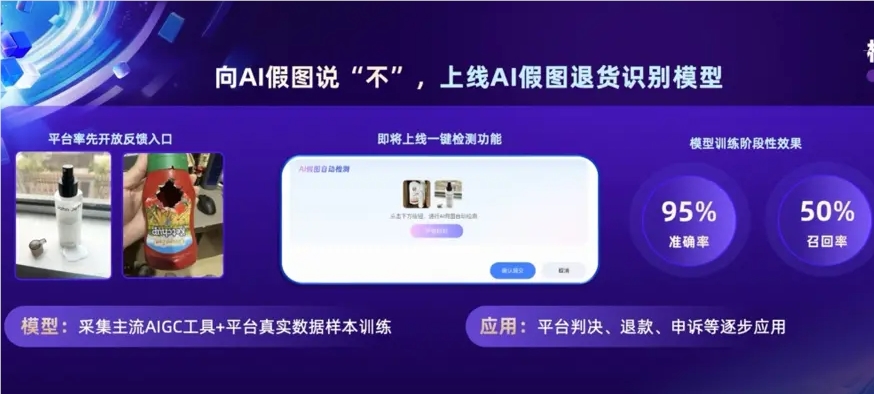
In a move that could reshape online shopping disputes, Taobao and Tmall unveiled sweeping changes to their business policies at a recent merchant conference. The January 22 announcement targets one of e-commerce's trickiest problems: dishonest buyers manipulating product photos to claim false refunds.
The AI Solution Spotting Fake Damage Claims
The standout innovation is an image authentication system that lets sellers instantly check if customers altered pictures showing "damaged" goods. When shoppers submit questionable images through Wangwang chat, merchants can run quick verification checks. These results will carry weight in refund disputes - potentially saving honest businesses from costly fraudulent claims.
"We've seen everything from digitally added stains to completely fabricated damage," shared a platform representative who asked not to be named. "This tool gives sellers back some control."
Billions Saved Through Smarter Policies
The platforms report their existing fraud detection systems already recovered over 4 billion yuan ($560 million) for merchants last year by flagging suspicious refund patterns. Working with police, they've also helped solve 34 major fraud cases targeting online sellers.
Logistics improvements promise additional savings. By refining compensation rules and adding early warnings for shipping issues, Taobao estimates merchants could save another 1 billion yuan annually.
Rewarding Quality Sellers
Not all changes focus on fraud prevention. The platforms are tweaking search algorithms to favor stores with superior service ratings. Data reveals shops maintaining "Real Experience Scores" above 4.8 grow twice as fast as average competitors.
"It's about creating incentives," explains e-commerce analyst Li Wei. "When good service gets rewarded with more customers, everyone wins - buyers get better experiences, honest sellers thrive, and the platform becomes more trustworthy."
The updates will roll out gradually throughout 2026, starting with high-risk categories like electronics and luxury goods.
Key Points:
- AI image verification helps detect fake damage claims in refund requests
- Existing systems recovered 4 billion yuan from fraudulent refunds last year
- New logistics rules could save 1 billion yuan in shipping disputes annually
- Top-rated stores (4.8+ score) see double the sales growth of average shops