Trump Draws Line on AI Power Costs: Microsoft First to Face Heat

Trump Takes On Tech Titans Over AI's Growing Energy Appetite

The artificial intelligence revolution comes with an electricity bill nobody wants to pay - least of all American households. In a move that sent shockwaves through Silicon Valley, former President Donald Trump has declared war on what he calls "power-guzzling" data centers fueling the AI boom.

Microsoft in the Spotlight

Through his Truth Social platform, Trump revealed his administration has already begun negotiations with Microsoft, making the tech giant the first domino in what insiders describe as a coming wave of energy accountability measures. Sources confirm Microsoft will implement significant power optimization strategies this week aimed at shielding consumers from infrastructure-related rate hikes.

"These companies want to play God with artificial intelligence," remarked one White House advisor speaking anonymously. "The President simply said they'll need to keep the lights on without dimming family budgets."

The Staggering Scale of AI's Energy Demand

The numbers behind America's AI infrastructure paint a startling picture:

  • 13 states already report residential bill increases tied to data center expansion
  • OpenAI's "Stargate Project" alone could consume more power than all of New York City
  • Industry-wide investments now exceed $50 billion for computing facilities nationwide

Local communities near these digital factories increasingly voice concerns. "Our rates jumped 18% last quarter," complained Virginia resident Mark Tenneson, whose county hosts multiple hyperscale data centers. "They promised jobs, not jacked-up utility statements."

Off-Grid or Under Fire?

Facing political pressure and community backlash, tech firms race toward self-sufficient energy solutions:

  • Microgrid experiments using natural gas and renewables
  • Nuclear-powered data centers in early planning stages
  • Geothermal cooling systems being tested in desert regions

The coming months will test whether Silicon Valley's innovation engine can solve problems it helped create - this time with electricity meters rather than microchips.

Key Developments:

No Pass-Along Policy: Strict prohibition against shifting AI infrastructure costs to consumer utility bills 💻 Microsoft Moves First: Immediate operational changes expected from Redmond this week 🔌 Energy Independence Push: Tech sector exploring radical alternatives to strained public grids

Enjoyed this article?

Subscribe to our newsletter for the latest AI news, product reviews, and project recommendations delivered to your inbox weekly.

Weekly digestFree foreverUnsubscribe anytime

Related Articles

News

Microsoft Stands Firm on OpenAI Partnership as Azure Keeps Exclusive Cloud Role

Microsoft has moved swiftly to dispel rumors about its partnership with OpenAI, reaffirming their strong alliance and Azure's exclusive position as the cloud platform for OpenAI's services. The tech giant clarified that recent industry developments won't affect their existing agreements, including intellectual property rights and revenue sharing. While acknowledging OpenAI's other partnerships, Microsoft emphasized the stability of their collaboration framework that allows both companies to explore new opportunities while maintaining their core relationship.

February 28, 2026
MicrosoftOpenAICloud Computing
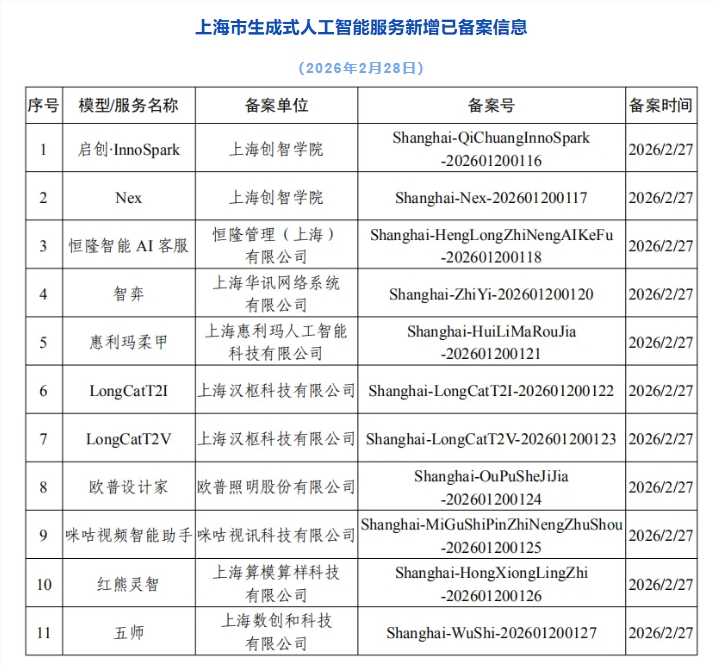
Shanghai Expands AI Ecosystem with 11 New Approved Services
News

Shanghai Expands AI Ecosystem with 11 New Approved Services

Shanghai continues to strengthen its position as China's AI hub, approving 11 new generative AI services this month. The city's total registered AI offerings now stand at 149, showcasing its commitment to balancing innovation with regulation. Leading research institutions like Shanghai Innovation Institute contributed standout models, while authorities clarified rules for API-based services.

February 28, 2026
AI RegulationShanghai TechGenerative AI
Microsoft's Copilot Tasks Takes AI Assistance to the Next Level
News

Microsoft's Copilot Tasks Takes AI Assistance to the Next Level

Microsoft has unveiled Copilot Tasks, transforming its AI assistant into an autonomous agent that can execute complex workflows. The tool goes beyond simple suggestions - it can draft emails, monitor travel prices, even customize resumes - all while running silently in the background. Though still in testing, this innovation signals a major shift toward AI that doesn't just assist but actively completes tasks on our behalf.

February 27, 2026
MicrosoftAI AssistantsProductivity Tools
News

Microsoft's Copilot Tasks Takes Over Your To-Do List

Microsoft has unveiled Copilot Tasks, a cloud-based AI assistant that handles routine work so you don't have to. Running independently in the cloud, it can organize emails into presentations, manage subscriptions, even hunt for apartments - all while your computer stays free for other work. The system asks permission before sensitive actions like payments, blending automation with peace of mind.

February 27, 2026
MicrosoftAI AssistantProductivity Tools
Microsoft's Edge Browser Gets Smarter with Outlook Integration
News

Microsoft's Edge Browser Gets Smarter with Outlook Integration

Microsoft is taking its Copilot AI assistant to the next level by integrating it deeply between Outlook and Edge. Starting May 2025, clicking links in Outlook emails will automatically open pages in Edge while activating Copilot's analysis tools. The AI will read both your email and the webpage, offering summaries and action items - saving you from juggling multiple apps. While Microsoft hasn't finalized the release date, this move signals a shift toward AI that anticipates our needs rather than waiting to be asked.

February 26, 2026
MicrosoftCopilotProductivityTools
News

Amazon Bets Big on AI with $12 Billion Louisiana Data Center

Amazon is making its largest infrastructure investment yet in Louisiana - a $12 billion data center campus designed to power its AI ambitions. The project promises to create hundreds of jobs but faces scrutiny over its environmental impact. As tech giants race to build computing capacity, Amazon is trying to balance expansion with sustainability through innovative cooling systems and local infrastructure upgrades.

February 24, 2026
AmazonArtificial IntelligenceData Centers