
TikTok Cracks Down on AI Misuse in Life Services Content

TikTok Tightens Rules on AI-Generated Content for Local Services

In a significant move to regulate artificial intelligence in digital marketing, Douyin Life Services (TikTok's Chinese counterpart) unveiled comprehensive guidelines on April 22 governing how creators can use AI-generated content (AIGC). The new rules specifically target potential misuse of deep synthesis technology in the platform's local services ecosystem.

Protecting Personal Rights in the AI Era

The guidelines draw clear red lines around personality rights violations. Face-swapping, voice cloning, and other adaptations of people's images or works are now strictly prohibited without proper authorization. Creators must obtain verifiable permission before using anyone's likeness - a response to growing concerns about digital identity theft through AI tools.

"We're seeing more cases where someone's face or voice gets hijacked for promotions they never endorsed," explains digital rights lawyer Mei Lin. "These rules force marketers to think twice before using AI to impersonate real people."

Transparency Becomes Mandatory

Perhaps the most consumer-friendly aspect requires clear labeling of all AI-generated or synthetic content. No more blurred lines between real footage and computer-generated material - audiences will know exactly what they're watching.

"When you're searching for a restaurant or salon service, you deserve to know if those perfect customer testimonials came from actual humans or algorithms," says tech analyst Raj Patel. "This disclosure rule helps restore trust in online recommendations."

Curbing AI-Assisted Marketing Abuse

The guidelines also tackle common shady practices:

  • Fabricated business listings: No more AI-invented stores or services
  • Overhyped claims: Ban on exaggerating product capabilities or results
  • Viral bait: Crackdown on irrelevant, sensational content designed purely for clicks

Marketing teams must now ensure their online promotions match real-world offerings precisely. That five-star review showing a packed restaurant? It better reflect actual capacity, not digital crowd generation.

Why This Matters Now

The timing isn't accidental. As AI tools become more accessible, platforms face mounting pressure to prevent synthetic media from distorting local commerce. TikTok's move follows similar actions by other tech giants grappling with generative AI's double-edged sword.

"This isn't about stifling creativity," emphasizes Douyin spokesperson Wei Zhang. "It's about ensuring innovation serves users honestly while protecting everyone's rights in this new landscape."

The guidelines represent one of the most comprehensive attempts yet to govern AIGC in location-based services - potentially setting standards other platforms may follow.

Key Points:

  • No unauthorized digital impersonations: Strict bans on unapproved use of faces/voices
  • Truth in advertising: AI can't invent businesses or exaggerate offerings
  • Clear labels required: All synthetic content must be disclosed
  • Quality over shock value: Crackdown on irrelevant viral content
  • Industry benchmark: Could influence how other platforms regulate AIGC
Enjoyed this article?

Subscribe to our newsletter for the latest AI news, product reviews, and project recommendations delivered to your inbox weekly.

Weekly digestFree foreverUnsubscribe anytime

Related Articles

News

TikTok Cracks Down on AI-Generated Content: New Rules Protect Likeness and Original Works

TikTok's Life Services division has rolled out strict new guidelines for AI-generated content, requiring creators to disclose synthetic elements and obtain proper authorization for using others' likenesses or works. The platform now prohibits unauthorized use of voices, images, or scripts in AI creations, aiming to protect personality rights and intellectual property. Additionally, the rules mandate accurate product representations, banning misleading AI-generated marketing claims that could deceive consumers.

April 22, 2026
AI regulationdigital rightscontent creation
News

TikTok Tightens Rules on AI-Generated Content to Protect Users

TikTok's parent company ByteDance has rolled out strict new guidelines for AI-generated content on its lifestyle services platform. The rules crack down on unauthorized face-swapping and voice imitation while demanding clear labeling of AI-created material. The move aims to protect consumer rights and maintain authenticity in an era where AI tools are transforming content creation. From copyright protection to truth in advertising, these regulations set new standards for digital content across China's popular short-video platform.

April 22, 2026
AI regulationTikTok policydigital authenticity
Claude's ID Check Sparks User Backlash: Privacy Fears and Account Bans
News

Claude's ID Check Sparks User Backlash: Privacy Fears and Account Bans

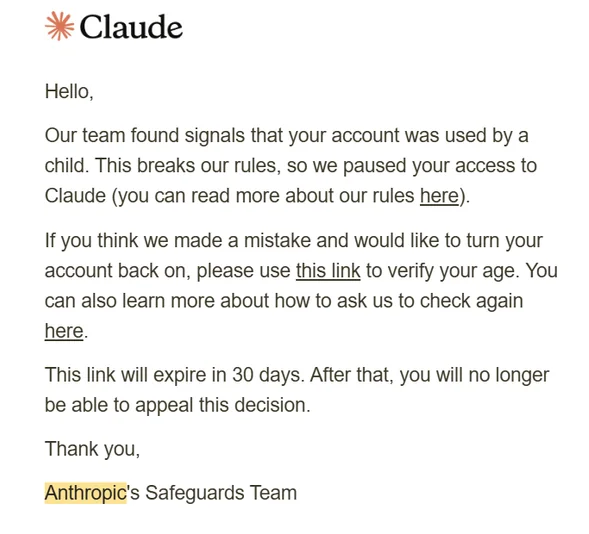
Anthropic's new mandatory ID verification for Claude AI has users up in arms. The process requires holding physical IDs for photos, with data handled by third-party Persona. But many see it as a prelude to account suspensions - like one teen developer who lost access despite paying for services. With privacy concerns over data sharing and strict age limits, Claude's security measures are creating as many problems as they solve.

April 17, 2026
AI regulationdigital privacyage verification
News

Claude's New ID Check: What It Means for AI Users

Anthropic has introduced identity verification for certain Claude features, requiring users to submit government IDs and real-time selfies. The company partnered with Persona Identities for the process, promising data won't be used for training or marketing. While aimed at responsible AI use, the move has sparked debate about privacy and accessibility in the AI community.

April 15, 2026
AI regulationdigital identityAnthropic
News

Tmall Tightens Rules for AI Software Listings to Protect Buyers

Tmall has rolled out stricter guidelines for merchants selling AI software and apps on its platform. The new rules, effective April 14, 2026, require clear product categorization and transparent pricing. Sellers must now specify delivery methods and avoid misleading claims about AI performance. The move aims to create a fairer marketplace where consumers can shop with confidence.

April 15, 2026
e-commerce regulationAI marketplaceconsumer protection
News

U.S. Regulators Urge Banks to Harness AI's Power for Financial Security

In a surprising policy shift, top U.S. financial regulators are now encouraging major banks to test Anthropic's powerful Mythos AI model to uncover system vulnerabilities. While previously wary of this technology's risks, Treasury Secretary Scott Bessent and Fed Chair Jerome Powell see potential in turning the model's capabilities into a defensive tool. Wall Street giants including JPMorgan Chase and Goldman Sachs have already begun testing, even as Anthropic faces legal challenges from the Trump administration over national security concerns.

April 13, 2026
AI regulationfinancial technologycybersecurity