The Silent AI Revolution in Gaming: 90% of Developers Now Use AI Tools

The Hidden AI Wave Transforming Game Development

Image

Walk into any major game studio today and you'll find artists sketching concepts while programmers tweak code - but look closer and you'll spot something new: AI tools humming quietly in the background. According to Jack Buser, Google Cloud's global gaming chief, 90% of developers now use artificial intelligence in their workflow, though many keep it quiet to avoid controversy.

The Open Secret of Game Studios

"It's become the industry's worst-kept secret," Buser told us in an exclusive interview. "While players debate whether AI belongs in games, developers have already voted with their keyboards." His claim aligns with Cologne Game Show surveys showing nearly all studios now incorporate some form of machine learning.

Ubisoft recently made headlines by requiring AI proficiency for all job applicants. Meanwhile, Nexon's "ARC Raiders" team is rebuilding their entire production pipeline around AI assistance. "We're not replacing humans," one developer clarified. "We're freeing them from drawing hundreds of nearly identical pebbles so they can design better aliens."

How AI Sneaks Into Your Favorite Games

Capcom offers a revealing case study. Their artists use Google's Gemini like a digital intern - generating thousands of background asset concepts (think fence posts or street signs) before human directors cherry-pick the best options. "It's like having an army of junior designers working overnight," Buser explained.

The benefits go beyond concept art:

  • Speed: Prototyping that took weeks now happens in days
  • Cost: Studios report 30-50% budget savings on repetitive tasks
  • Creativity: Teams spend more time on core gameplay instead of grunt work

Yet most companies avoid mentioning AI in marketing materials. As one producer admitted anonymously: "Players want to believe every pixel was handcrafted by a passionate artist working late with a cup of coffee."

Why Developers Keep Quiet

The reluctance stems from ongoing debates about AI's role in creative fields. When Square Enix announced aggressive AI plans last year, fan backlash forced clarification that human oversight remains central. Buser acknowledges the tension: "AI won't replace storytellers or visionary designers - but it will change how they work."

The technology particularly shines for:

  1. Procedural content (terrain generation, NPC dialogue variations)
  2. Quality testing (identifying bugs across millions of gameplay permutations)
  3. Localization (adapting jokes and cultural references across languages)

"Think of it like Photoshop," suggests indie developer Mara Lin. "Nobody complains when artists use layers or undo buttons. AI is just the next toolset."

What Comes Next?

The rapid adoption suggests we've crossed an invisible threshold. As tools improve, expect more subtle integrations - smarter NPCs that remember your playstyle, dynamically adjusting difficulty curves, even games that evolve based on community feedback.

Buser remains bullish: "Five years from now, not using AI will seem as odd as refusing to use 3D modeling software." But for now, most studios prefer letting players enjoy the magic without seeing the algorithmic strings behind the curtain.

Key Points:

  • 90% adoption: Nearly all game developers now use AI tools according to Google Cloud data
  • Stealth integration: Studios actively use AI while avoiding public announcements due to player skepticism
  • Creative boost: Teams report spending more time on core design as AI handles repetitive tasks
  • Industry shift: Ubisoft and others now require AI skills for all new hires
Enjoyed this article?

Subscribe to our newsletter for the latest AI news, product reviews, and project recommendations delivered to your inbox weekly.

Weekly digestFree foreverUnsubscribe anytime

Related Articles

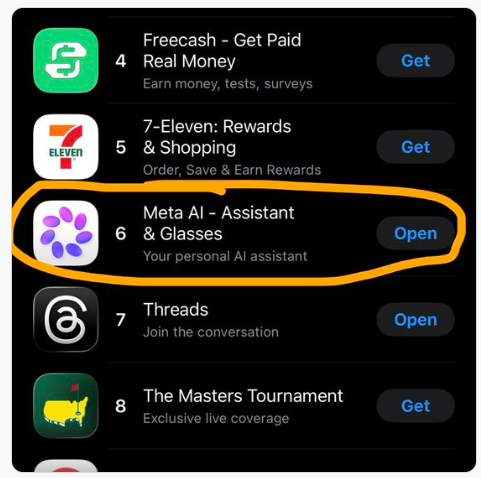
Meta's Muse Spark Ignites AI App Surge to Top 5 on App Store
News

Meta's Muse Spark Ignites AI App Surge to Top 5 on App Store

Meta's new AI model Muse Spark has sent its companion app soaring up the charts, jumping from 57th to 5th place on the US App Store overnight. The powerful model's debut drove an 87% spike in iOS downloads, though Android growth remained modest. With multimodal capabilities and visual programming features, Muse Spark is helping users tackle complex queries while creating websites and games through simple prompts. While still trailing ChatGPT and Claude, Meta AI's 60.5 million global downloads show its growing momentum, especially in emerging markets like India.

April 10, 2026
MetaAIMuseSparkAppStoreRankings
News

Ping An's Medical AI Outperforms Global Tech Giants in Clinical Reasoning

Ping An Technology's medical AI model has topped global rankings, scoring higher than Meta and OpenAI in complex clinical scenario evaluations. The model excelled in HealthBench Hard, a rigorous test developed by 262 doctors worldwide. What sets it apart? Real-world clinical integration and a unique three-stage training approach that enhances diagnostic accuracy. Already deployed in 1,500 Chinese clinics, this technology is transforming patient care from screening to treatment.

April 24, 2026
MedicalAIHealthcareTechnologyArtificialIntelligence
DeepSeek V4 Launches with Two Versions: Flash and Pro
News

DeepSeek V4 Launches with Two Versions: Flash and Pro

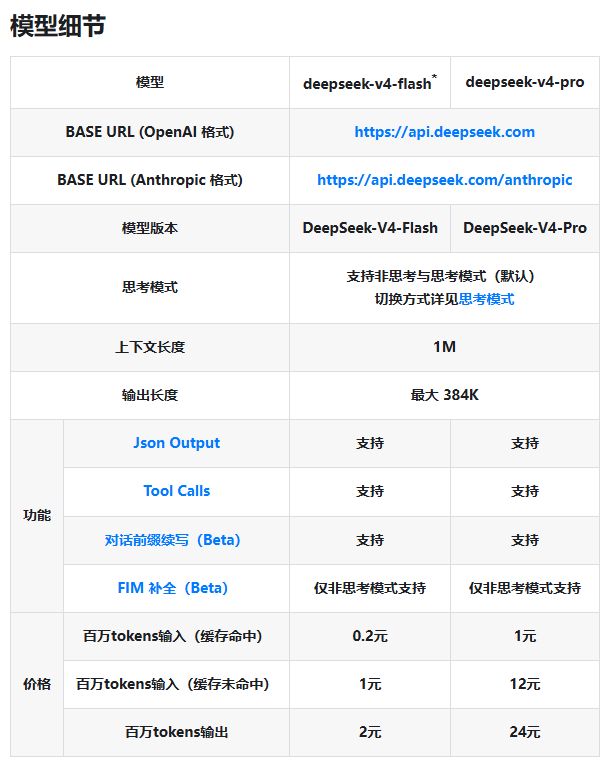
DeepSeek has unveiled its latest AI model, V4, offering two distinct versions to cater to different needs. The Flash version is designed for quick, everyday tasks, while the Pro version tackles more complex reasoning. Both come with competitive pricing, making advanced AI more accessible. The company also introduced a caching mechanism to help businesses save on costs. This release marks a significant step in making powerful AI tools available to a broader audience.

April 24, 2026
AIDeepSeekLargeLanguageModels
News

China's Wukong Quantum Computer Leaps Forward with AI Integration

China's quantum computing landscape just got more interesting. The domestically developed 'Origin Wukong' superconducting quantum computer has achieved a significant milestone by integrating AI capabilities. This 72-qubit powerhouse, operational since early 2024, now works alongside two new tools: a quantum-specific AI model and a simplified interface service. Together, they're making quantum computing more accessible than ever before - no PhD required to tap into this cutting-edge technology.

April 21, 2026
QuantumComputingArtificialIntelligenceTechInnovation
News

Japan's Tech Giants Join Forces to Build Homegrown AI Rival

Tech heavyweight SoftBank is leading an ambitious push to develop Japan's own AI foundation model, partnering with Honda, Sony and other industry leaders. The consortium aims to create a trillion-parameter 'Physical AI' system by 2030, focusing on real-world interaction capabilities. This marks Japan's boldest move yet to reduce reliance on foreign AI technology.

April 14, 2026
ArtificialIntelligenceJapanTechPhysicalAI
News

Spanish startup Xoople lands $130M to launch AI-powered satellite network

Barcelona-based Xoople has secured $130 million in fresh funding, pushing its total capital to $225 million. The ambitious startup is building a satellite constellation specifically designed to feed AI systems with real-time Earth observation data. Partnering with defense contractor L3Harris, Xoople plans to revolutionize how businesses access physical world intelligence for applications ranging from agriculture to urban planning.

April 8, 2026
SpaceTechArtificialIntelligenceEarthObservation