Tencent's Hunyuan 3.0 AI Model Shows Major Programming Leap

Tencent Takes AI Programming to New Heights with Hunyuan 3.0

Tencent has just rolled out its most advanced AI model yet - Hunyuan 3.0 (Hy3) - marking a significant milestone in the company's artificial intelligence development. What makes this release particularly exciting? A dramatic leap in programming capabilities that could reshape how developers interact with AI tools.

From 53% to 74%: The Programming Power Surge

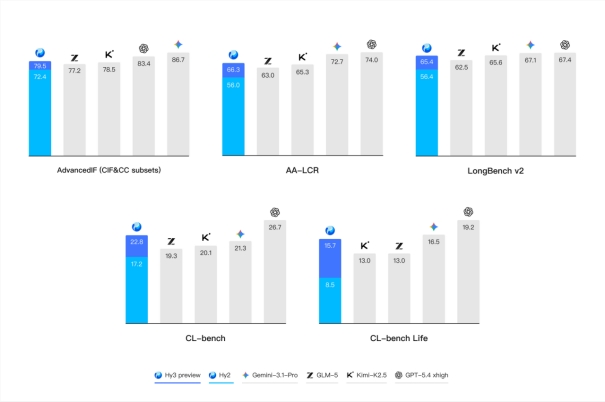
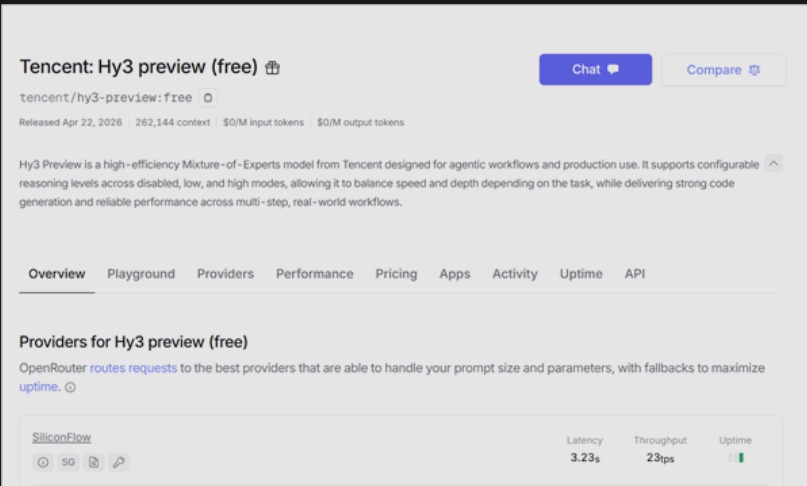
The numbers tell an impressive story. In standardized SWE-Bench programming tests, Hunyuan 3.0 scored 74.4%, a massive jump from its predecessor's 53% performance. That's more than a 40% improvement - the kind of progress that gets developers' attention.
Image

This boost puts Hy3 within striking distance of industry leaders like GLM-4.7, though it still trails the cutting-edge GLM-5 model. For Chinese-developed AI, these results represent some of the strongest programming capabilities available today.

Under the Hood: What Makes Hy3 Special?

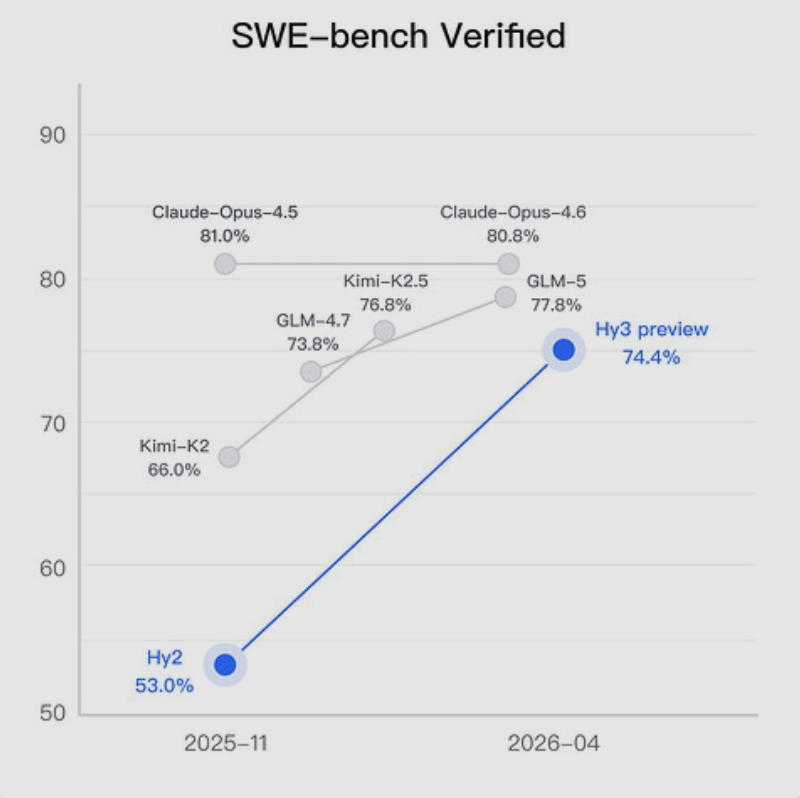
Tencent engineers built Hunyuan 3.0 using a MoE (Mixture of Experts) architecture that allows for more efficient processing. The model can handle context windows up to an impressive 262K tokens while maintaining a speedy output rate of 23 tokens per second.

"The multimodal enhancements really change how the model handles complex tasks," explains one early tester who requested anonymity due to company policies. "It's not just about raw speed - there's better understanding and more nuanced responses."

The Talent Behind the Tech

The development team received a significant boost with the addition of AI specialist Yao Shunyu, poached from another major tech firm (rumored to be Alibaba). Industry watchers credit Yao's expertise with helping accelerate Tencent's AI progress.
Image

Joining the AI Arms Race

Tencent's timing couldn't be more strategic. As competitors like DeepSeek roll out their V4 models, and OpenAI continues pushing boundaries, Hunyuan 3.0 represents Tencent's bid to stay relevant in an increasingly crowded field.

The company is currently offering free access to Hy3preview on openrouter, giving developers a chance to test-drive these new capabilities firsthand.

Key Points:

  • 40% performance jump in programming tests over previous version
  • 74.4% score on SWE-Bench benchmark (vs previous 53%)
  • MoE architecture enables efficient processing of large contexts (up to 262K tokens)
  • 23 token/s output speed balances responsiveness with quality
  • Free preview available as Hy3preview on openrouter
Enjoyed this article?

Subscribe to our newsletter for the latest AI news, product reviews, and project recommendations delivered to your inbox weekly.

Weekly digestFree foreverUnsubscribe anytime

Related Articles

Xiaomi's New AI Model Shows Stunning Coding Skills in Beta Test
News

Xiaomi's New AI Model Shows Stunning Coding Skills in Beta Test

Xiaomi has unveiled its MiMo-V2.5 AI model series in public beta, showcasing remarkable capabilities in complex tasks. The flagship Pro version built a web video editor with 8,192 lines of code and completed a compiler challenge in just 4.3 hours. With improved token efficiency and new pricing plans, Xiaomi aims to make advanced AI more accessible while demonstrating rapid development progress in the competitive AI landscape.

April 23, 2026
XiaomiAI DevelopmentMachine Learning
Meet the 13-Person Team Behind GPT Image2's AI Art Revolution
News

Meet the 13-Person Team Behind GPT Image2's AI Art Revolution

The surprisingly small team behind GPT Image2 has achieved what many thought impossible - completely redesigning AI image generation in just four months. Led by the brilliant but unassuming Chen Boyuan, this tight-knit group has created what they call 'GPT for images,' solving persistent problems like text rendering and spatial understanding. From accurately drawing clock faces to transforming academic papers into visual presentations, their work is redefining what AI can create.

April 23, 2026
AI ArtGPT Image2Tech Innovation
Tencent's Hy3 Preview: A Smarter Open-Source AI Model for Everyday Use
News

Tencent's Hy3 Preview: A Smarter Open-Source AI Model for Everyday Use

Tencent has unveiled Hy3 Preview, its latest open-source language model boasting 29.5 billion parameters and support for 256K context length. This upgrade brings noticeable improvements in reasoning, coding, and real-world applications. Already integrated into popular Tencent products like QQ and Tencent Docs, Hy3 Preview also offers flexible pricing options for developers. It's not just about raw power - the model focuses on practical usability across different scenarios.

April 23, 2026
AITencentOpenSource
Tencent's Hy3 Model: A Leap Forward in AI Practicality
News

Tencent's Hy3 Model: A Leap Forward in AI Practicality

Tencent has unveiled Hy3preview, its most advanced open-source language model yet. With 295 billion parameters and enhanced reasoning abilities, this model marks a significant step in making AI more practical for real-world applications. Already integrated across Tencent's ecosystem, Hy3preview shows impressive improvements in coding, search capabilities, and cost efficiency - all while maintaining an affordable price point for developers.

April 23, 2026
AI DevelopmentTencentLanguage Models
Xiaomi's New AI Models: Power Meets Affordability
News

Xiaomi's New AI Models: Power Meets Affordability

Xiaomi has unveiled its MiMo-V2.5 series, marking a significant leap in AI capabilities. The lineup includes four models, with the Pro version tackling complex tasks and the standard model offering versatile multimodal functions. What stands out? Xiaomi's commitment to open-source and cost efficiency, slashing API expenses by half while delivering performance that rivals industry leaders.

April 23, 2026
AIXiaomiMachine Learning
Google Photos Gets Smarter: Gemini AI Now Crafts Images from Your Memories
News

Google Photos Gets Smarter: Gemini AI Now Crafts Images from Your Memories

Google's Gemini AI just got more personal. The assistant can now tap into your Google Photos library to create customized AI images that actually look like you and your loved ones. Powered by the new Nano Banana2 model, this feature aims to make AI generation feel less robotic and more familiar. But with great personalization comes privacy concerns - is Google crossing a line by accessing your private photos? The company insists users have full control, but the debate about AI and personal data is far from over.

April 23, 2026
AIGooglePrivacy