Tencent Rolls Out AI-Powered Gaming Limits for Kids This Winter Break
Tencent Tightens Gaming Rules for Minors with AI Assistance
With schools letting out for winter break, Chinese tech giant Tencent has unveiled its strictest-ever gaming schedule for young players - backed by a suite of new artificial intelligence tools designed to help parents enforce the rules.
The Strict New Schedule
From February 5 through March 5, players under 18 will only be able to access games between 8-9 PM on Fridays, Saturdays, Sundays and public holidays. That adds up to just 15 hours of potential playtime across the entire month-long vacation period - a far cry from the marathon gaming sessions some students might have planned.
"This effectively makes extended multiplayer sessions impossible," explains child psychologist Dr. Li Wen. "The narrow window prevents kids from getting deeply immersed in virtual worlds."
Smarter Enforcement Through AI
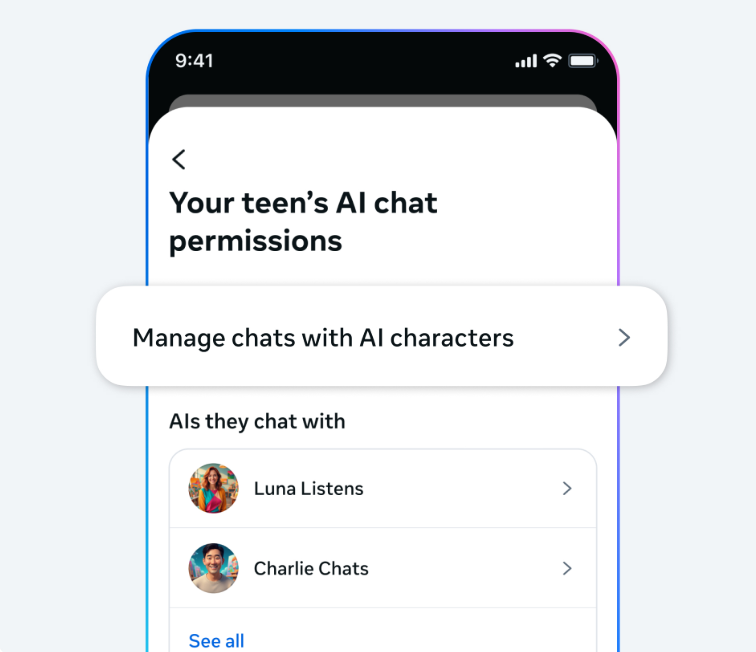
What makes this year's restrictions different is Tencent's deployment of three new AI-powered features currently being tested:
- Gameplay Reports: Parents receive detailed weekly breakdowns showing exactly when and how their child played - eliminating any attempts to sneak extra time.
- Instant Controls: A simple mobile interface lets parents adjust permissions remotely in seconds.
- Virtual Consultant: Available around the clock, this AI assistant answers questions about healthy gaming habits and offers parenting advice.
The company describes these tools as putting a "digital butler" at parents' disposal - one with infinite patience and technical expertise.
Shifting From Blocking to Managing
The move represents an evolution in Tencent's approach to youth gaming restrictions. Where previous systems focused primarily on blocking access during prohibited hours, these new tools aim to facilitate more nuanced oversight.
"It's not just about saying 'no' anymore," says Tencent spokesperson Zhang Wei. "We're giving families smarter ways to find balance between digital entertainment and other activities."
The initiative comes as Chinese regulators continue pushing tech firms to take greater responsibility for protecting minors online. While some young gamers will undoubtedly grumble about their shortened playtime, child development experts applaud the effort.
"This recognizes that parenting in the digital age requires new tools," notes Dr. Li. "Complete bans often backfire - what families really need are ways to guide healthy habits."
The big question now: How will resourceful teenagers respond when faced with this high-tech enforcement?
Key Points:
- Strict new schedule limits minors to just 15 hours of gameplay during winter break
- Three AI-powered tools help parents monitor and control access remotely
- System represents shift from simple blocking toward more nuanced management
- Part of broader industry efforts around youth digital wellbeing