
Meta Enhances Parental Controls for AI Chatbots

Meta Rolls Out Enhanced Parental Controls for AI Chatbots

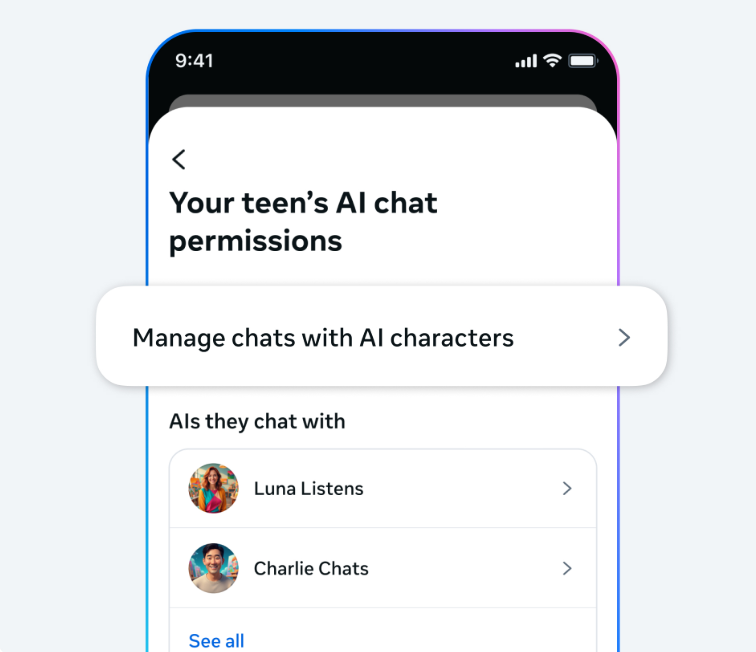
Meta has unveiled significant upgrades to its parental control measures for AI chatbots, targeting improved safety for underage users. The new "Master Switch" tool will enable parents to restrict their children's access to specific AI chatbot characters on Instagram and Facebook. This initiative addresses growing societal concerns about AI safety and aims to create a more secure digital environment for minors.
Image

New Features for Parental Oversight

In addition to the "Master Switch," Meta is introducing an "Insights" feature. This tool allows parents to monitor the topics discussed between their children and AI chatbots, fostering greater awareness of online interactions. The company has also committed to prohibiting AI chatbots from engaging in conversations about sensitive subjects such as self-harm, eating disorders, relationships, and sexual topics with teenagers. Instead, chatbots will focus on age-appropriate themes like academics and sports.

Global Rollout and Background

The parental control tools are slated for release in early 2026, initially launching in the United States, UK, Canada, and Australia. Meta's decision follows several incidents this year involving inappropriate interactions between AI chatbots and minors. For example, reports surfaced that fictional characters like "John Cena" had made unsuitable remarks, prompting public outcry.

To further enhance transparency and safety, Meta has updated its content review mechanisms and introduced a PG-13 rating guidance system. These measures are part of broader efforts to ensure AI interactions remain appropriate for young users.

Commitment to Ongoing Improvements

Meta has emphasized its dedication to refining AI interaction supervision. The company aims to empower parents with better tools to manage their children's digital experiences. By implementing these safeguards, Meta seeks to foster a safer online space for minors.

Key Points:

  • 📅 Master Switch Tool: Parents can block underage access to specific AI chatbot characters.
  • 👁️ Insights Feature: Enables parents to monitor conversation topics between children and AI.
  • 🔒 Content Restrictions: Prohibits discussions on harmful topics like self-harm and eating disorders.

Enjoyed this article?

Subscribe to our newsletter for the latest AI news, product reviews, and project recommendations delivered to your inbox weekly.

Weekly digestFree foreverUnsubscribe anytime

Related Articles

News

Google's Gemini now offers faster mental health support during crises

Google has rolled out a crucial update to its Gemini chatbot, making it easier for users in distress to access mental health resources. The revamped system detects conversations about self-harm or suicide and immediately surfaces crisis support options through a simplified one-click interface. Alongside this update, Google pledged $30 million over three years to bolster global mental health hotlines. While this represents progress in AI safety, experts continue debating whether chatbots can truly safeguard vulnerable users.

April 8, 2026
Google GeminiMental Health TechAI Safety
News

China Backs Meta's AI Startup Deal With Clear Legal Conditions

China's commerce ministry has given cautious approval to Meta's acquisition of AI startup Manus, emphasizing that all tech deals must follow Chinese laws. The move signals Beijing's balancing act between encouraging innovation and maintaining regulatory oversight in the fast-growing AI sector. Analysts see this as Meta's strategic push to strengthen its position in general artificial intelligence.

April 3, 2026
MetaArtificial IntelligenceChina Tech Policy
News

Alibaba and Shanghai AI Lab Tackle AI Safety in New White Paper

As AI evolves from chatbots to autonomous agents, safety concerns take center stage. Alibaba and Shanghai Artificial Intelligence Laboratory have teamed up to release a groundbreaking white paper addressing these risks. The document outlines a three-pronged approach focusing on corporate responsibility, social benefit, and industry collaboration. This comes as China's tech sector shifts its focus from raw computing power to responsible AI development.

April 1, 2026
AI SafetyAlibabaShanghai AI Lab
DeepMind Founder Warns: AI Arms Race Puts Humanity at Risk
News

DeepMind Founder Warns: AI Arms Race Puts Humanity at Risk

DeepMind founder Demis Hassabis has sounded the alarm about uncontrolled AI development, warning that superintelligence could threaten human survival. In a sobering assessment, he revealed how commercial pressures have eroded safety measures, leaving few options beyond personal influence at key decision points. The tech pioneer's warnings highlight growing concerns about our ability to control the AI revolution we've unleashed.

March 31, 2026
AI SafetyDeepMindArtificial Intelligence
News

Claude Mythos Leak: Anthropic's Next AI Model Outshines Current Leaders

Leaked documents reveal Anthropic is secretly testing Claude Mythos, a new AI model that reportedly surpasses its flagship Claude Opus in capability. While the breakthrough promises unprecedented intelligence levels, internal warnings highlight serious cybersecurity risks. The development could reshape the competitive landscape as tech giants race to push AI boundaries while grappling with safety concerns.

March 27, 2026
Artificial IntelligenceAnthropicAI Safety
News

Meta's AI Takeover: Human Moderators Out as Algorithms Step In

Meta is making a dramatic shift in how it polices content across Facebook and Instagram. The company announced plans to replace most human content moderators with AI systems, citing both efficiency gains and concerns about the psychological toll on workers. While this move addresses long-standing ethical issues around 'digital trauma,' it raises new questions about job losses and whether algorithms can truly understand nuanced content decisions. The change marks a pivotal moment in social media governance as machines take over what was once human judgment.

March 20, 2026
MetaAI moderationcontent policy