Tencent Defends Data Use Amid OpenClaw Scraping Dispute
Tencent Faces Backlash Over AI Data Scraping Practices
The AI community is buzzing after OpenClaw developer Peter Steinberger publicly called out Tencent for allegedly scraping data from his ClawHub platform without authorization. The controversy sheds light on the delicate balance between corporate innovation and open-source ethics.
The Accusations
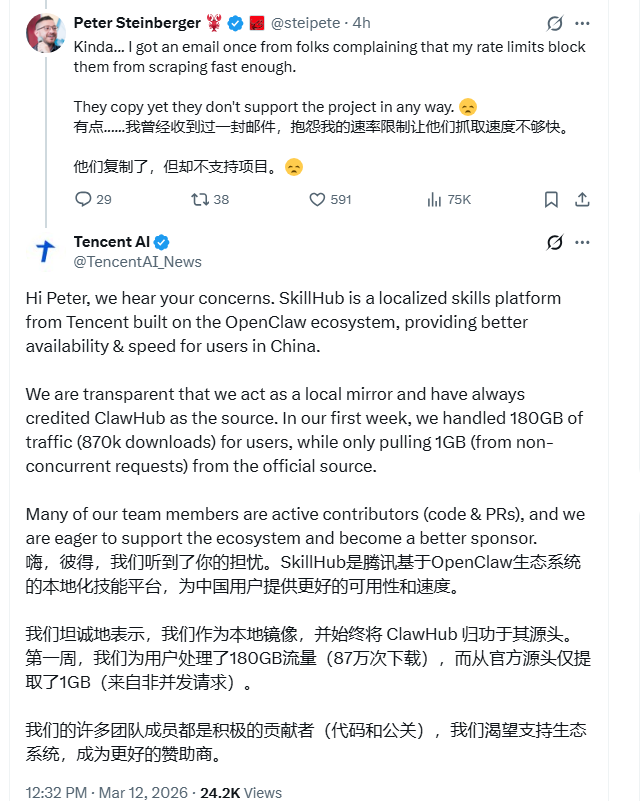
Steinberger took to social media platform X with startling claims: "Tencent copied our entire skill database to build their SkillHub platform," he wrote. "They didn't ask permission or offer support - just took what they wanted." Even more troubling, Steinberger shared emails showing Tencent employees complaining about ClawHub's access limits interfering with their scraping efficiency.
Tencent's Response
The Chinese tech giant quickly fired back through its official AI account. Their defense rests on three key points:
- SkillHub was designed as a localized mirror to improve access speeds for Chinese users
- Their technical data shows they reduced bandwidth pressure on ClawHub by an impressive 99.4%
- Team members actively contribute to the OpenClaw ecosystem
"In that first week alone," a Tencent spokesperson noted, "we handled 180GB of traffic locally while pulling just 1GB from ClawHub."
The Heart of the Conflict
While Tencent frames SkillHub as a service benefiting Chinese users, Steinberger sees things differently. "This isn't about bandwidth," he countered in a follow-up post. "It's about respect for open-source licenses and basic developer rights."
The dispute reflects broader tensions emerging as AI adoption accelerates:
- Corporations racing to implement new technologies
- Independent developers seeking recognition and fair compensation
- Questions about what constitutes ethical use of open-source materials
Looking Ahead
Tencent has expressed willingness to formalize collaboration through sponsorship agreements. But Steinberger insists any partnership must begin with proper attribution and mutual agreement - not unilateral action.
The outcome could set important precedents for how tech giants engage with open-source communities moving forward.
Key Points:
- OpenClaw developer accuses Tencent of unauthorized data scraping
- Tencent claims its mirror site reduced original traffic by 99%
- Debate highlights growing tension between corporate and open-source interests
- Both sides express openness to future collaboration under proper terms