360 Group Tackles AI Security Risks with New OpenClaw Guide

New Security Framework Protects AI Agents from Emerging Threats

Image

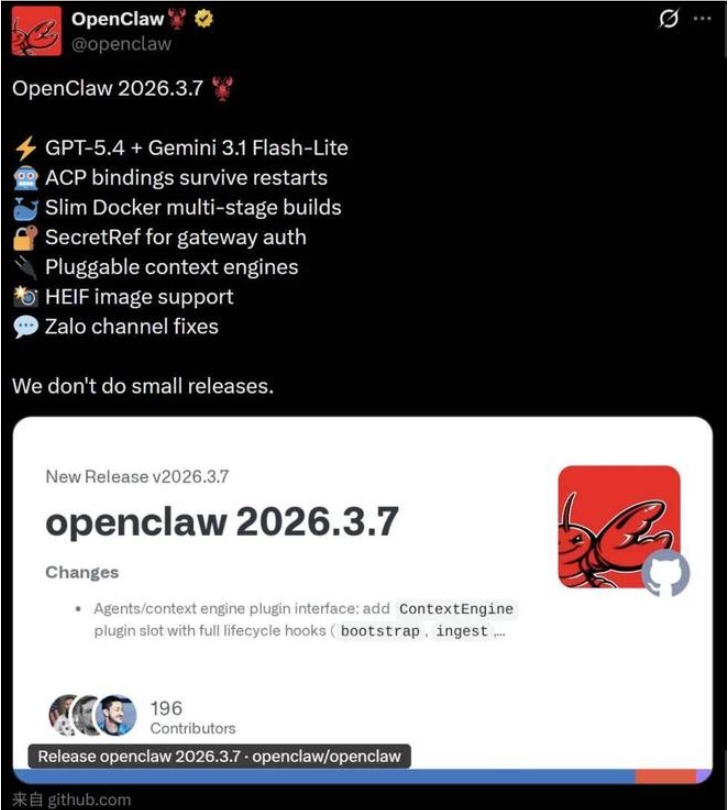
As AI agents like OpenClaw become increasingly sophisticated "digital avatars," their expanded capabilities come with heightened security concerns. The newly released OpenClaw Security Deployment and Practice Guide provides systematic solutions to protect these systems from exploitation.

Addressing Critical Vulnerabilities

The guide identifies several pressing security challenges:

  • Exposed management interfaces that could serve as entry points for attackers
  • Credential leaks compromising sensitive data
  • Shell privilege escalation risks at the system level
  • Prompt injection attacks, currently one of the most overlooked threats

"What many developers don't realize," explains a 360 security expert, "is that these vulnerabilities create attack vectors as dangerous as traditional cybersecurity threats—sometimes more so because they're novel."

Tailored Protection Strategies

The framework offers distinct approaches based on deployment scale:

For Individual Developers & Startups:

  • Containerized isolation environments create secure sandboxes
  • Least privilege principles limit potential damage from breaches
  • Encrypted key injection protects sensitive credentials

The guide emphasizes that even small-scale deployments need robust protection: "A single compromised agent can become the weak link in an entire network."

For Enterprise & Government Use:

  • Zero-trust architecture forms the security backbone
  • Secure gateways monitor and control all agent traffic
  • RBAC (Role-Based Access Control) implements granular permissions
  • Behavioral analysis detects anomalous commands in real-time "Think of it like airport security," suggests the guide, "where we verify identities while simultaneously scanning for suspicious behavior patterns."

Industry Implications

This release marks a pivotal moment as commercial AI applications accelerate. Where developers previously prioritized functionality above all else, attention is now shifting toward comprehensive security governance. The framework provides much-needed standardization for building resilient AI ecosystems.

The timing couldn't be better—as organizations race to implement AI solutions, this guide offers crucial guardrails against emerging threats that many teams haven't yet learned to anticipate.

Key Points:

  • First standardized security framework for OpenClaw deployments
  • Addresses critical vulnerabilities including prompt injection attacks
  • Offers scalable solutions from individual developers to enterprises
  • Implements zero-trust principles and behavioral monitoring
  • Signals industry shift toward security-conscious AI development
Enjoyed this article?

Subscribe to our newsletter for the latest AI news, product reviews, and project recommendations delivered to your inbox weekly.

Weekly digestFree foreverUnsubscribe anytime

Related Articles

News

Hong Kong AI Stocks Take a Hit as OpenClaw Security Concerns Surface

Hong Kong's AI sector faced a sudden downturn as OpenClaw-related stocks plummeted, with MiniMax leading the drop at nearly 9%. Regulatory warnings about potential data leaks in critical industries sparked investor concerns, despite ongoing updates to the open-source platform. Experts caution that version updates don't guarantee security, prompting a market reevaluation of AI compliance risks.

March 11, 2026
HongKongStocksAISecurityOpenClaw
Wuxi Offers Up to 5 Million Yuan to Boost OpenClaw AI Development
News

Wuxi Offers Up to 5 Million Yuan to Boost OpenClaw AI Development

Wuxi High-tech Zone has rolled out a bold new policy package to accelerate the adoption of OpenClaw, the open-source AI agent nicknamed 'Lobster' for its distinctive logo. The 12-point plan offers substantial financial incentives, including million-yuan subsidies for cloud platforms and up to 5 million yuan for breakthrough industrial applications. While pushing AI integration in manufacturing, the measures also address recent security concerns raised by regulators.

March 10, 2026
OpenClawAI PolicyIndustrial AI
News

Hong Kong AI Stocks Soar as OpenClaw Goes Mainstream

Hong Kong's AI sector saw a dramatic rally today, led by Zhipu's 12.7% surge after launching AutoClaw - a breakthrough tool that makes powerful AI accessible to everyone. This game-changing software simplifies local deployment of OpenClaw, the popular but complex AI project, potentially bringing advanced automation to personal computers nationwide.

March 10, 2026
AI stocksOpenClawHong Kong market
News

Shenzhen Hosts Lobster Feast with AI Twist to Boost Tech Adoption

Longgang District teams up with AI firm Kimi for an unforgettable culinary-tech fusion event. On March 14th, attendees will witness robots cooking lobster while enjoying free samples, all while learning about OpenClaw deployment. The festival offers practical benefits too - from free installation services to API discounts for businesses embracing AI transformation.

March 10, 2026
AI innovationculinary techShenzhen events
OpenClaw's Game-Changing Update: GPT-5.4 Support and Smarter AI Agents
News

OpenClaw's Game-Changing Update: GPT-5.4 Support and Smarter AI Agents

The open-source AI project OpenClaw just dropped its biggest update yet, bringing native GPT-5.4 support that outperforms competitors like Claude Code. The 2026.3.7 version introduces revolutionary 'memory hot-swapping' technology, solving long-standing fragmentation issues in smart agents. From coding to stock analysis, this update transforms OpenClaw from a developer's toy into a true virtual employee that never stops working.

March 9, 2026
AI DevelopmentOpenClawGPT-5
News

MiniMax Brings Voice and Music Magic to OpenClaw

MiniMax has transformed OpenClaw's chatbots from text-only tools into versatile AI companions with voice and music capabilities. Users can now equip their 'Little Crabs' with over 40 languages, custom voices, and even music composition skills through simple plugin installations. This collaboration marks another step toward more human-like AI interactions in workplace applications.

March 9, 2026
MiniMaxOpenClawAI assistants