

SpaceX Rockets to $800 Billion Valuation, Challenging Global Economies
SpaceX's Meteoric Rise: From Startup to $800 Billion Space Giant
SpaceX is rewriting the rules of private space exploration - and Wall Street is taking notice. The company founded by Elon Musk in 2002 is currently in talks with investors that could catapult its valuation to an eye-watering $800 billion. To put that number in perspective, it's approaching the entire economic output of Switzerland ($900 billion GDP).
A Valuation That Defies Gravity
The speed of SpaceX's ascent is as remarkable as its rockets. Just five months ago, the company was valued at $400 billion - meaning it's effectively doubled its worth in less time than it takes to grow decent tomatoes. This growth trajectory mirrors the vertical climb of its Falcon rockets, leaving industry observers both impressed and slightly breathless.
"What we're seeing with SpaceX redefines how we value frontier technology companies," says aerospace analyst Miranda Chen. "They're not just launching rockets - they're building infrastructure for humanity's future in space."
The Mechanics of the Deal
The upcoming transaction involves a secondary stock offering rather than new shares. This means existing shareholders - including employees and early investors - get to cash out some chips while new investors get a seat at the table. CFO Bret Johnsen has been briefing potential investors with share prices rumored around $300 each.
Interestingly, none of this money goes directly to SpaceX coffers. It's more like a changing of the guard in the shareholder registry. But make no mistake - when insiders sell at these prices, it sends a powerful signal about confidence in the company's future.
More Than Just Rocket Science
While best known for its reusable launch systems, SpaceX has quietly built multiple revenue streams:
- Starlink satellite internet (now with ~9,000 satellites)
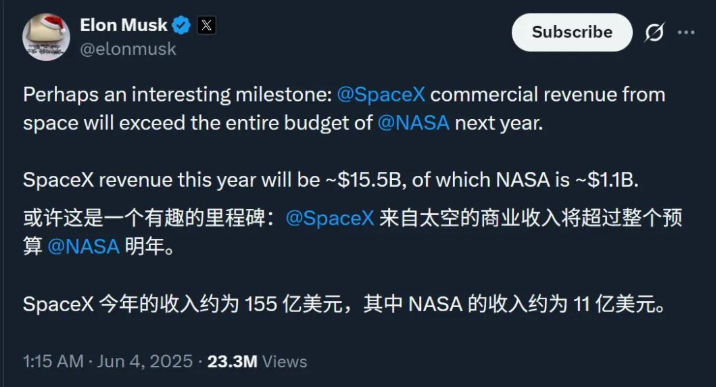
- NASA contracts for crew and cargo missions
- Starship development for future Mars missions
The company's ability to consistently undercut traditional aerospace costs while pushing technological boundaries has made it indispensable to both commercial and government clients.
What's Next? An IPO on the Horizon
Industry whispers suggest SpaceX might go public as soon as late 2026. When that happens, expect one of the most closely watched market debuts in history. For now though, Musk seems content to keep much of the operation private - allowing for the kind of long-term bets that publicly traded companies often struggle to justify.
The $800 billion question: Can SpaceX maintain this trajectory? With Mars still on the agenda and satellite broadband expanding globally, don't bet against them just yet.
Key Points:
- Valuation surge: From $400B to $800B in five months
- Funding mechanism: Secondary share sale (not new equity)
- Core businesses: Launches (60%+ market share), Starlink, NASA contracts
- Coming attractions: Potential IPO in 2026


