Smart Glasses Get Government Boost: Subsidies Make AI Wearables More Affordable
Smart Glasses Enter the Mainstream With Government Support
The future of wearable tech just got brighter. In a landmark decision, China's Ministry of Industry and Information Technology (MIIT) has added AI-powered smart glasses to its consumer subsidy program - marking the first time such cutting-edge hardware receives national financial support.
How the Subsidy Works
Beginning January 2026, consumers purchasing qualifying AI glasses through authorized channels will receive:
- Up to 15% discount on retail prices
- Maximum subsidy of ¥800 per device
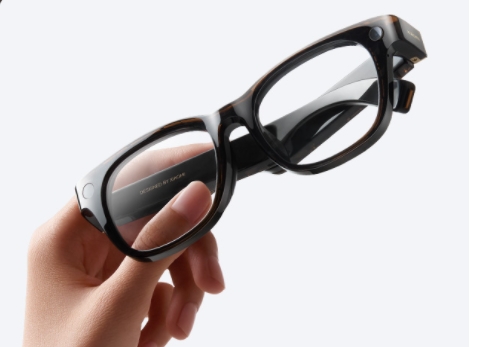
The initial approved brands read like a who's who of Chinese tech: Huawei, Xiaomi, Rokid, and XREAL. To qualify, glasses must feature core AI capabilities including real-time voice interaction, visual assistance, and health monitoring - all certified under national standards.
Why This Matters
"AI glasses represent more than just gadgets," explains an MIIT official. "They're becoming essential tools across medicine, manufacturing, eldercare and education." The subsidies aim to:
- Lower adoption barriers for consumers
- Accelerate real-world testing and refinement
- Strengthen China's position in spatial computing technology
The timing couldn't be better. Market research shows explosive growth:
- 112% year-over-year sales increase in 2025
- Projected 2 million+ units sold domestically in 2026
The policy is already generating excitement among potential buyers like Beijing resident Ms. Li: "I've wanted smart glasses for travel navigation but couldn't justify the cost," she shares. "With this discount, I'll finally take the plunge."
Looking Ahead
The subsidy rollout begins with major cities before expanding nationwide throughout 2026. Industry analysts predict this could transform smart glasses from niche tech enthusiast gear into everyday essentials - much like smartphones did fifteen years ago.
The government's move signals strong confidence in domestic innovation capabilities while addressing key adoption hurdles:
| Challenge | Policy Impact |
|---|
As edge computing improves and augmented reality matures, these subsidized devices may soon become as ubiquitous as smartphones - changing how we work, learn and interact with our surroundings.
Key Points:
- First-ever national subsidies for AI smart glasses take effect Q1 2026
- Major Chinese brands qualify with discounts up to ¥800 per device
- Policy aims to accelerate adoption in healthcare, industry and consumer markets
- Market expected to surpass 2 million units annually following subsidy rollout