Shanghai Researchers Shatter Photonic Chip Barriers with AI Breakthrough
Photonic Chip Development Gets Quantum Leap with New AI Model
Researchers at Shanghai Jiao Tong University's Wuxi Photonics Chip Research Institute (CHIPX) have achieved what many thought impossible - compressing the grueling photonic chip development cycle from half a year down to just one month. Their secret weapon? LightSeek, the world's first specialized AI model built specifically for photonic chip workflows.
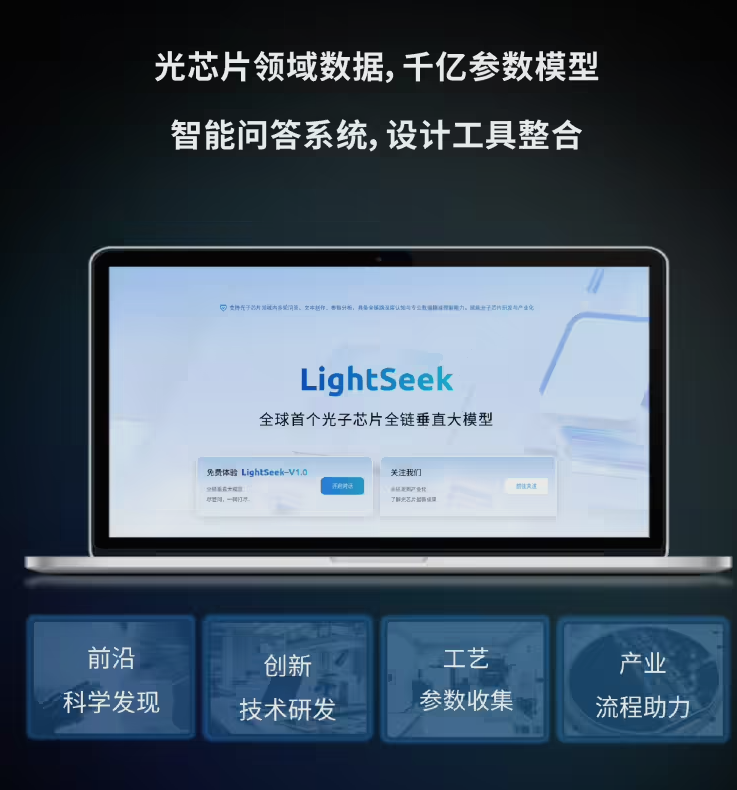
From Months to Minutes: How LightSeek Works
The system represents more than just clever programming. CHIPX researchers fed their AI with something priceless - actual production data from China's first 110nm CMOS-compatible photonic chip pilot line. With thousands of completed wafer runs informing its decisions, LightSeek doesn't just theorize - it knows.
"Imagine having a senior process engineer who never sleeps," explains Dr. Wei Zhang, lead researcher on the project. "That's essentially what we've created - an AI that understands both design intent and manufacturing realities."
The numbers speak volumes:
- 7x faster overall R&D cycles
- 40% fewer costly trial runs
- 12% boost in first-run yields for silicon photonic modulators
The Secret Sauce: Real-World Training Data
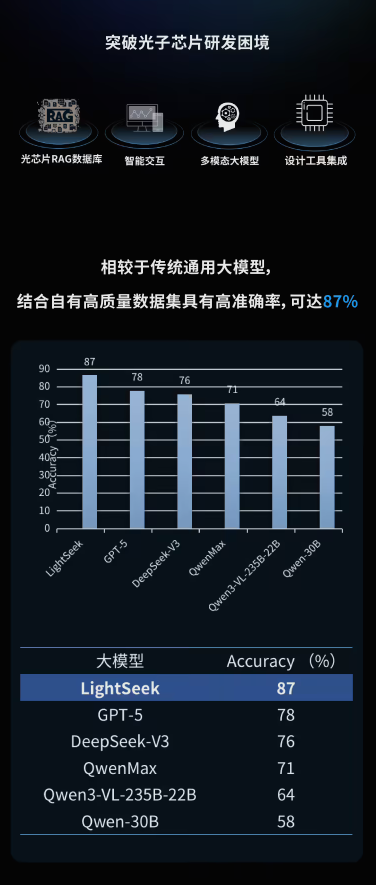
What sets LightSeek apart isn't just its trillion-parameter architecture, but its education. While most AI models train on simulated or limited datasets, this system learned from:
- Tens of thousands of actual 6-inch lithium niobate wafer runs
- Complete workflow data from design through testing
- Real-world process variations and their outcomes
The result? An AI that doesn't just crunch numbers but understands the messy reality of chip fabrication.
Industry Impact: Beyond Faster Prototypes
The implications extend far beyond speed. Photonic chips represent our best hope for moving beyond traditional semiconductor limits, but development bottlenecks have held progress back.
"We're not just accelerating existing processes," notes Dr. Zhang. "LightSeek helps bridge the chronic disconnect between designers and manufacturers that's plagued our field."
The team plans an ambitious rollout:
- Open-sourcing a 70B parameter "Lite" version in early 2025
- Developing APIs for seamless EDA system integration
- Creating real-time equipment control protocols with domestic manufacturers
The ultimate goal? Turning what was once science fiction into routine - delivering custom photonic chips within seven days.
The research team welcomes collaborators at https://lightseek.chipx.org/ as they work toward realizing this vision.