China's GLM-5 AI Model Breaks New Ground with Domestic Chip Support
China's AI Powerhouse: GLM-5 Makes Quantum Leap
The AI landscape just got more interesting as Zhipu Technology unveiled its upgraded GLM-5 model during the Spring Festival period. What makes this release special? Beyond impressive technical specs, it's the first Chinese large language model to achieve full compatibility with seven domestic chip platforms - a significant milestone for China's tech independence.
Technical Prowess Meets Practical Application
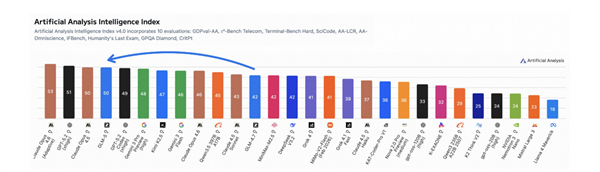
With 744 billion parameters (nearly double its predecessor), GLM-5 isn't just bigger - it's smarter where it counts. Recent benchmarks reveal it tops global rankings for programming agent capabilities while placing third overall in programming tasks. "We've seen particular strength in real-world programming scenarios," notes a Zhipu spokesperson, "where the model can self-correct and adapt dynamically."
The surge in popularity did cause some growing pains. Overwhelming demand led to temporary server shortages, prompting Zhipu to issue public apologies and compensation offers - a testament to the model's popularity.
Four Breakthroughs Powering Performance
- Dynamic Resource Allocation: The new DSA sparse attention mechanism acts like a smart traffic controller, directing computational resources where they're needed most.
- Asynchronous Learning Infrastructure: By decoupling generation from training, Zhipu achieved what many thought impossible - significantly better GPU utilization.
- Self-Learning Algorithms: The asynchronous agent RL algorithm gives GLM-5 something resembling professional intuition, continuously improving its decision-making.
- Cost Efficiency: Deployment costs for long sequence processing dropped by 50%, making advanced AI more accessible.
Domestic Chip Ecosystem Comes of Age
Perhaps most significant is GLM-5's compatibility with Huawei Ascend, Cambrian, and other Chinese chipsets. Early tests show performance on domestic hardware approaching that of international GPU clusters - a game-changer for China's tech ecosystem.
As one industry analyst put it: "This isn't just another AI model release. It demonstrates that China's entire computing stack - from chips to algorithms - can compete globally."
Key Points:
- Programming powerhouse: Leads in agent capabilities, ranks third overall globally
- Homegrown advantage: Full support for seven major Chinese chip platforms
- Efficiency gains: 50% cost reduction for long sequence processing
- Future-ready architecture: Asynchronous learning and dynamic resource allocation set new standards