Qwen Architect Reveals: AI Models Are Learning to Act, Not Just Think

From Thought to Action: The Next Frontier for AI

Lin Junyang knows what it takes to build cutting-edge AI. As the former lead engineer behind Alibaba's Qwen large language model, he spent years pushing the boundaries of artificial intelligence. Now, weeks after leaving the company, he's sharing revelations that could reshape how we develop AI systems.

The Agent Revolution

"We've been obsessed with making models think longer," Lin explains in his first public statement since departing Alibaba. "But the real breakthrough comes when they learn to think in order to act."

This shift from passive reasoning to active decision-making represents what Lin calls "Agentic Thinking" - where AI doesn't just process information but continuously refines its plans through real-world interaction. Imagine an assistant that doesn't just answer questions but actually completes tasks while learning from each attempt.

Lessons from the Qwen Project

The path to this future wasn't smooth. Lin openly discusses early struggles during Qwen's development in 2025, when his team tried forcing "thinking" and "instruction" capabilities into a single system.

"It was like trying to merge two different languages," he recalls. The resulting model performed poorly at both tasks - overthinking simple commands while making rushed decisions on complex problems. These painful lessons led Qwen to separate its "Instruct" and "Thinking" versions, a move that later became an industry reference point.

Rethinking Intelligence Metrics

Lin challenges conventional wisdom about AI intelligence: "Longer reasoning chains don't necessarily mean smarter models. Sometimes they just mean wasted computing power."

He predicts research will shift focus from training standalone models to developing complete "model + environment" agent systems. The new benchmark? Not how much a model can process, but how effectively it can translate thought into action.

Key Points:

  • Active over passive: Future AI needs to do more than reason - it must act and adapt
  • Quality beats quantity: Longer reasoning doesn't always mean better performance
  • System thinking: The next breakthrough requires designing complete agent environments
  • Practical intelligence: True smarts come from effective real-world interaction
Enjoyed this article?

Subscribe to our newsletter for the latest AI news, product reviews, and project recommendations delivered to your inbox weekly.

Weekly digestFree foreverUnsubscribe anytime

Related Articles

News

NVIDIA's Nemotron 3 Super shakes up AI with open-source power rivaling top models

NVIDIA has unleashed Nemotron 3 Super, a groundbreaking open-source AI model that's turning heads with performance nearly matching premium closed-source alternatives like GPT-5.4. This 120-billion-parameter powerhouse combines innovative architecture with practical efficiency, delivering triple the reasoning speed while maintaining impressive accuracy. Already adopted by major tech players, it could democratize access to high-performance AI tools.

March 12, 2026
AI developmentOpen-source technologyNVIDIA
HKU's CLI-Anything Turns Any Software into AI-Friendly Tools with One Command
News

HKU's CLI-Anything Turns Any Software into AI-Friendly Tools with One Command

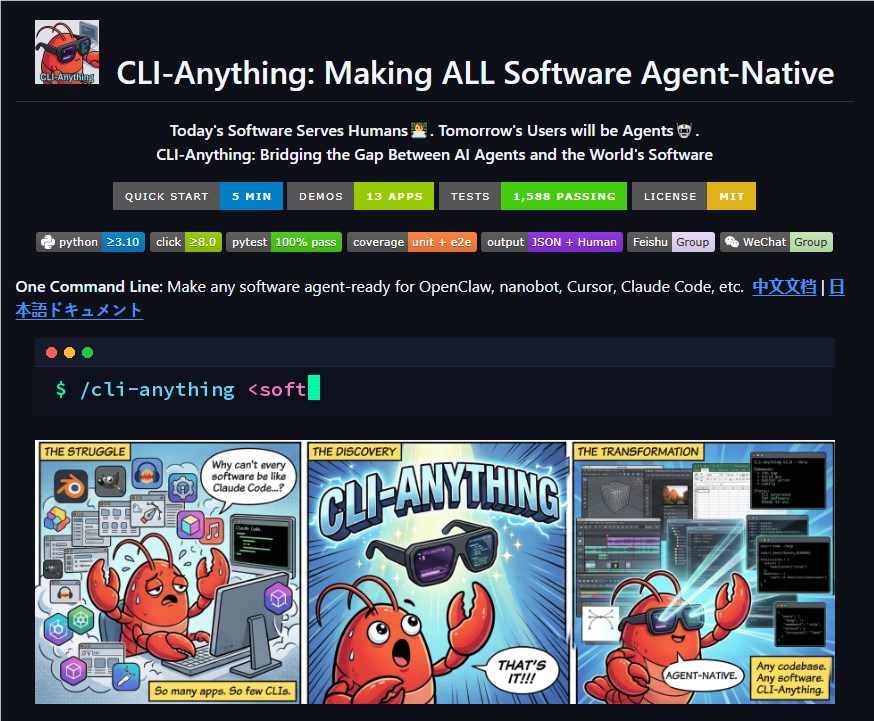
The University of Hong Kong's Data Intelligence Lab has released CLI-Anything, an open-source tool that transforms any software into an AI agent-friendly command-line interface. This breakthrough eliminates the frustrations of unreliable UI automation, offering developers a robust way to integrate professional tools like GIMP, Blender, and LibreOffice with AI systems. The project has already gained significant traction, surpassing 17,000 GitHub stars shortly after launch.

March 17, 2026
AI developmentsoftware automationopen source
News

Baidu's Miaoda Makes App Development Accessible to All

Baidu has unveiled its Miaoda Application Generation Skill, allowing users worldwide to create apps with minimal technical know-how. The platform simplifies development into three straightforward steps, already serving over 10 million users and generating billions in value. Notably, it's empowering solo entrepreneurs to build profitable businesses with AI tools.

March 17, 2026
AI developmentBaiduno-code platforms
Tencent's WorldCompass Helps AI Models Navigate Complex Commands
News

Tencent's WorldCompass Helps AI Models Navigate Complex Commands

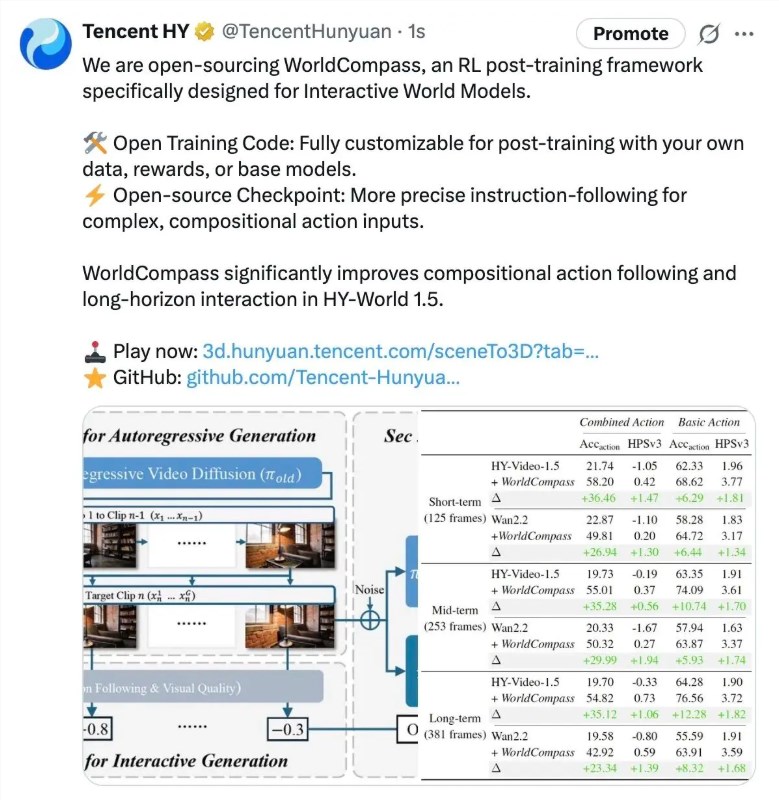
Tencent has open-sourced WorldCompass, a reinforcement learning framework that dramatically improves how AI world models understand and execute complex instructions. This breakthrough solves persistent accuracy issues, boosting performance by over 35% in challenging scenarios. The technology marks a shift from pure pre-training to sophisticated fine-tuning approaches.

March 11, 2026
AI developmentTencentmachine learning
SkillHub Debuts With 13,000+ AI Tools Tailored for Chinese Developers
News

SkillHub Debuts With 13,000+ AI Tools Tailored for Chinese Developers

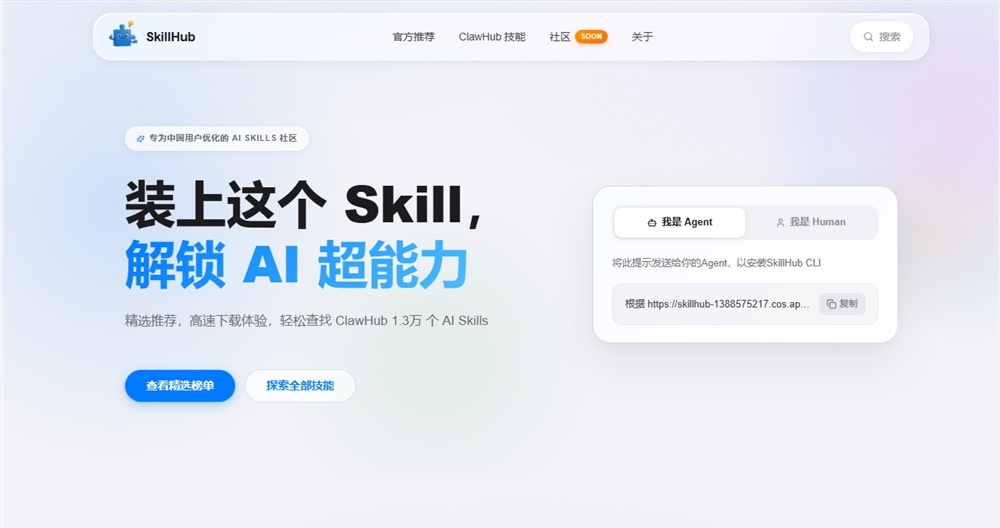
China's AI ecosystem gets a major boost with SkillHub's launch, offering over 13,000 optimized AI skills. The platform slashes setup times with local servers and introduces smart CLI tools - making Xiaohongshu automation and GitHub integrations just commands away. What really excites? Self-improving agents hint at AI's next evolutionary leap.

March 10, 2026
AI developmentChinese techautomation tools
Anthropic's New AI Tool Cleans Up After 'Vibe Coding' Spree
News

Anthropic's New AI Tool Cleans Up After 'Vibe Coding' Spree

As AI-powered 'vibe coding' floods repositories with fast but flawed code, Anthropic steps in with a solution. Their new Code Review tool acts like a digital forensics team, spotting logical errors and security risks that human reviewers might miss. Already adopted by Uber and Salesforce, this $15-$25 per scan service could become essential armor against the unintended consequences of AI-assisted development.

March 10, 2026
AI developmentCode qualityAnthropic