Popular AI Tool OpenClaw Poses Serious Security Threat to macOS Users
Security Alert: OpenClaw Vulnerability Exposes macOS Users to Data Theft
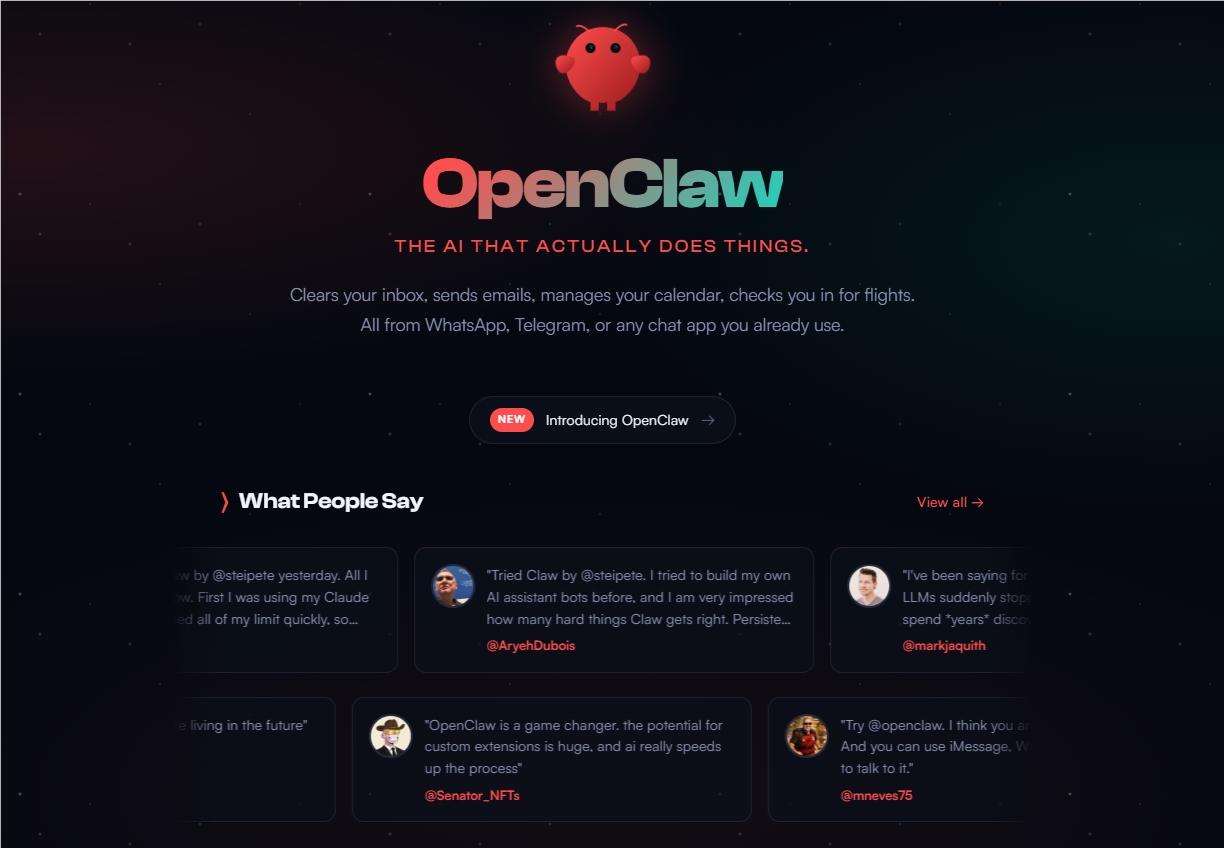
The AI community's latest darling, OpenClaw (formerly Clawdbot), has developed an unfortunate reputation overnight - not for its impressive automation capabilities, but for becoming cybercriminals' newest playground. Security experts from password manager 1Password sounded the alarm after discovering active attacks exploiting flaws in OpenClaw's framework.
How the Attack Works
What makes this threat particularly insidious is its delivery method. Hackers have weaponized OpenClaw's "skills" files - normally harmless configuration tools that teach the AI new tricks. They're packaging malware as innocent-looking integration tutorials, complete with convincing documentation.
"We've seen attackers create remarkably polished fake guides," explains cybersecurity analyst Mark Reynolds. "They walk users through what appears to be standard setup procedures, but hidden within are commands that fundamentally weaken macOS defenses."
The malicious scripts perform two dangerous actions:
- They disable macOS's built-in "file quarantine" system - Gatekeeper's first line of defense against untrusted applications
- They remove warning prompts that normally appear when installing unverified software
What's at Stake?
The malware doesn't announce its presence with dramatic system crashes or ransom demands. Instead, it operates silently in the background, hunting for:
- Browser cookies and session data (giving attackers access to logged-in accounts)
- Password manager credentials
- Developer SSH keys and API tokens
- Cloud service authentication files
"This isn't just about individual users," warns Reynolds. "Compromised developer credentials could provide backdoors into corporate networks and cloud infrastructure."
Why Current Protections Fall Short
The attack cleverly bypasses existing security measures:
- Model Context Protocol (MCP): Designed to verify AI interactions, but ineffective against social engineering attacks disguised as legitimate setup instructions.
- Antivirus Software: Often misses these scripts because they're manually executed by users rather than automatically installed.
- MacOS Sandboxing: Rendered useless once quarantine protections are disabled.
The cybersecurity community emphasizes that awareness remains the best defense. "No security system can protect users from willingly running malicious code," notes Reynolds.
Key Points:
- Critical Vulnerability: OpenClaw's skills file mechanism harbors dangerous flaws actively being exploited.
- Stealthy Operation: Malware disables macOS protections silently before harvesting credentials.
- High Value Targets: Focuses on developer tools and cloud access tokens for maximum damage potential.
- Social Engineering Aspect: Uses convincing fake tutorials rather than technical exploits.