

OpenAI Unveils ChatGPT Pulse: AI-Powered Daily Briefings
OpenAI Introduces ChatGPT Pulse for Pro Users
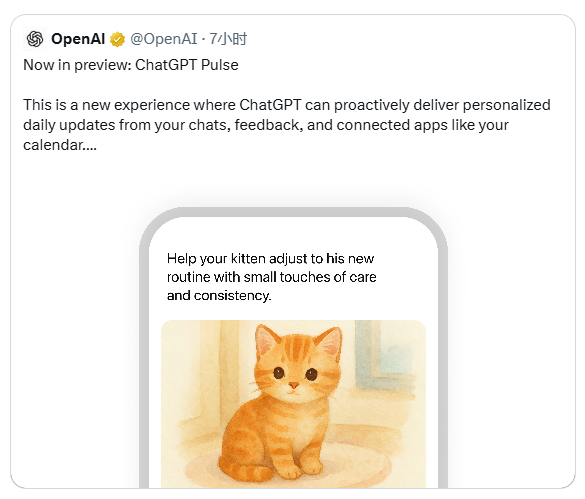
OpenAI has launched ChatGPT Pulse, a groundbreaking feature delivering personalized daily briefings exclusively for Pro users subscribing at $200/month. Currently in mobile preview, this AI-powered service marks a shift from reactive chatbots to proactive digital assistants.
How Pulse Works
The system performs background research by analyzing:
- Recent conversations
- Long-term user interests
- Feedback patterns
- Integrated app data (when authorized)
Results appear as visually optimized cards rather than text-heavy streams, enabling quick scanning or deeper exploration. For example, calendar integration might trigger travel suggestions for upcoming events.
Privacy and Control Features
Key aspects of the rollout include:
- Opt-in integrations: Gmail/Calendar connections disabled by default
- Granular permission controls
- User-managed memory settings within the app "This is about building trust through transparency," an OpenAI spokesperson noted.
Strategic Rollout Plan
The feature is being phased to Pro users first due to computational costs. Expansion to Plus subscribers awaits performance optimization. CEO Sam Altman called Pulse "one of our most exciting steps toward truly intelligent assistance" in a social media post.
The system's ability to:
- Track goals automatically
- Reason about schedules
- Push contextual updates gives it an edge over generic news aggregators in the competitive briefing space.
Future Developments
OpenAI plans to enhance Pulse's capabilities through:
- Deeper integration with productivity suites
- Improved predictive algorithms
- Expanded platform availability
Industry analysts suggest this move positions ChatGPT as a central hub for professional workflow management.
---
### Key Points:
✅ Context-aware briefings: Combines chat history with connected app data
🔐 Privacy-first design: Integrations require explicit user consent
📱 Mobile-first rollout: Currently iOS/Android exclusive
💡 Proactive assistance: Shifts from reactive Q&A to anticipatory support


