OpenAI's Frontier Platform Turns AI Assistants Into Workplace Partners
OpenAI Launches Platform That Makes AI True Workplace Colleagues
In a move that could redefine how businesses use artificial intelligence, OpenAI has introduced Frontier—a platform designed to turn AI assistants from mere suggestion engines into fully-fledged digital coworkers.
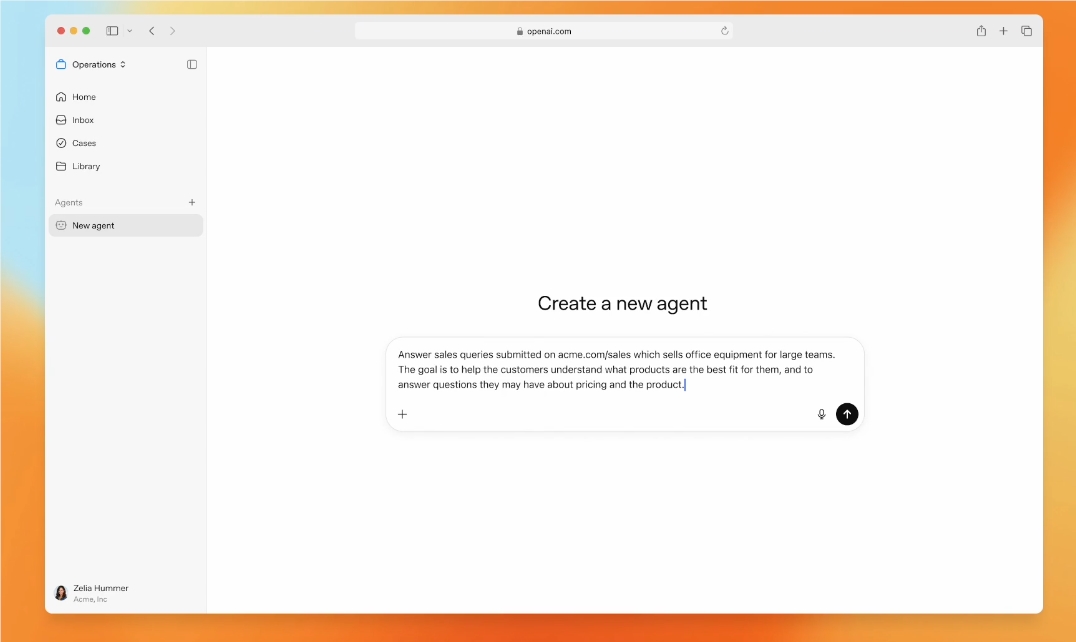
From Chatbots to Coworkers
The tech giant discovered that while AI capabilities have advanced rapidly, companies struggle with implementation. "We kept hearing about 'AI potential' that wasn't translating to real business impact," explains an OpenAI spokesperson. "Frontier changes that by giving AI the context and tools it needs to actually get work done."
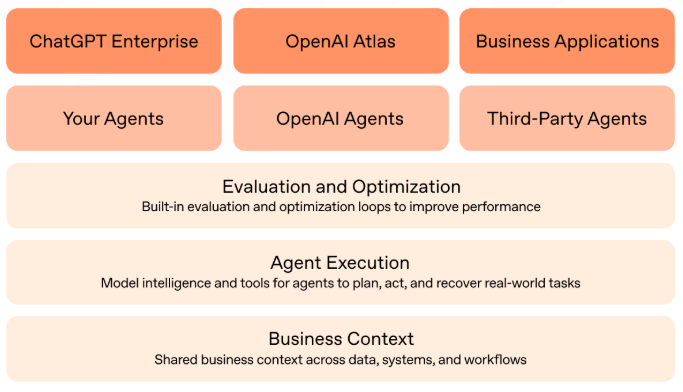
The platform functions like an onboarding system for digital employees. It connects seamlessly with CRM systems, databases, and office applications—creating what developers call a "business semantic layer." This allows AI agents to understand company-specific workflows rather than operating in isolation.
Real Work With Real Results
What sets Frontier apart is execution capability. These aren't assistants that just offer ideas—they can operate computers, run code, and plan multi-step tasks within defined boundaries. Imagine an AI colleague that can analyze production data overnight and implement optimizations by morning.
Early partners like State Farm and Uber report startling efficiency gains:
- Hardware fault analysis reduced from weeks to minutes
- Production optimization cycles shortened from six weeks to one day
- Sales support tasks automated with revenue increases up to 30%
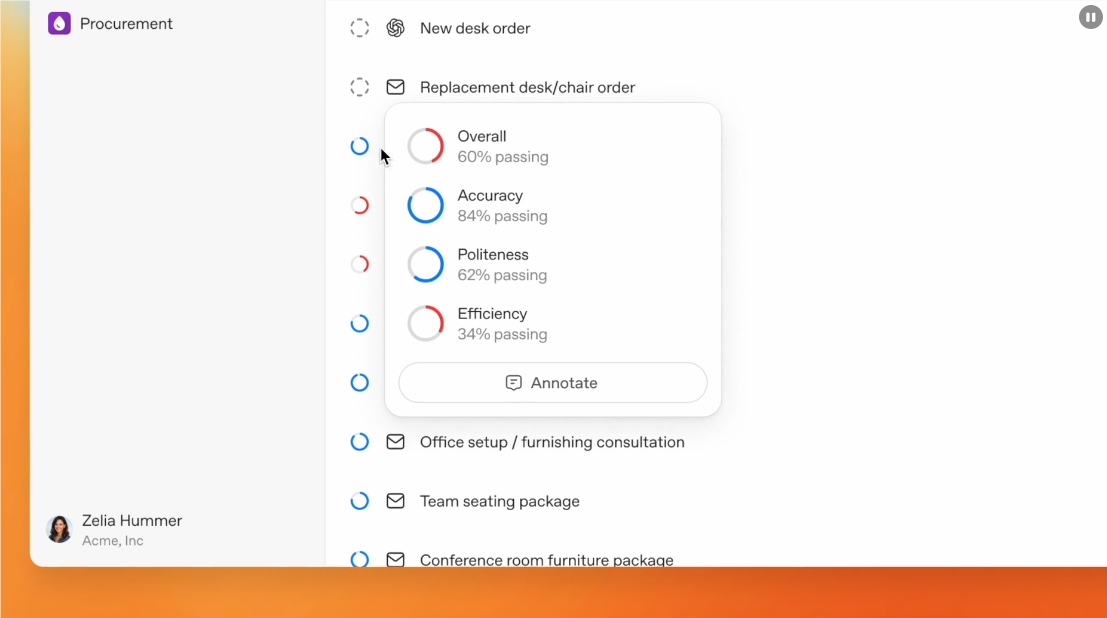
The platform includes built-in evaluation systems where agents learn from feedback—much like human employees improving through performance reviews.
Designed for Real Businesses
Perhaps most importantly for enterprise adoption, Frontier works with existing infrastructure. "We built this knowing companies wouldn't rip out their current systems," says the OpenAI team. The platform integrates with major cloud providers and common business applications.
The launch signals a shift in how businesses might staff projects moving forward—with teams blending human expertise and AI capabilities working side by side through shared interfaces.
Key Points:
- True integration: Agents access company systems like CRM databases instead of working blind
- Actual execution: Beyond suggestions—can complete multi-step workflows autonomously
- Measurable impact: Early adopters report order-of-magnitude efficiency improvements
- No overhaul needed: Works within existing cloud infrastructure and business apps