OpenAI's Frontier Platform Ushers in Era of AI Coworkers
OpenAI Introduces Frontier: Your Next Coworker Might Be an AI
This Thursday marked a significant shift in workplace technology as OpenAI unveiled its new Frontier platform. Unlike previous AI tools limited to conversation, Frontier enables companies to develop sophisticated "AI colleagues" capable of handling real business tasks.
What Makes Frontier Different?
The platform serves as an incubator for specialized AI agents that integrate with corporate systems. Imagine digital assistants that don't just chat but actually process documents, write code, and complete routine work - all while learning from your company's internal data.
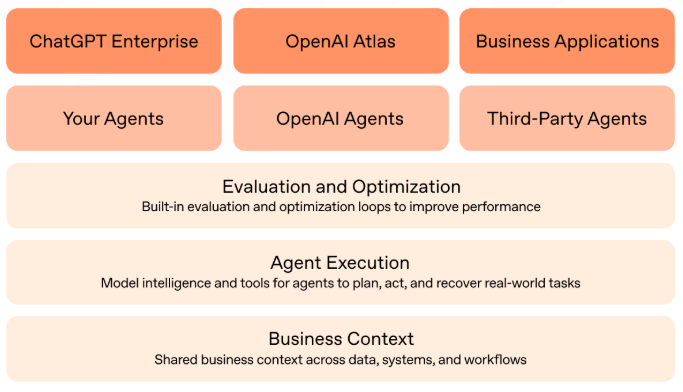
Fidji Simo, OpenAI's head of application business, painted a compelling vision during the announcement: "By year's end, we expect leading enterprises will manage teams where humans direct swarms of specialized AI agents handling digital workflows."
Collaboration Over Competition?
The launch comes amid market jitters about AI displacing traditional software. Recent stock dips reflected investor concerns until Simo clarified Frontier's role: "This isn't about replacement - it's about enhancement. We're building infrastructure so companies like Salesforce can more easily develop their own AI solutions."
Early adopters include major players like Uber (though curiously listed twice in initial reports), suggesting strong industry interest despite lingering questions about implementation.
Strategic Timing Ahead of IPO
With OpenAI reportedly eyeing a Q4 public offering, Frontier represents a crucial expansion beyond consumer chatbots into enterprise solutions. The move signals OpenAI's ambition to become the operating system for tomorrow's automated workplaces - though whether this vision translates into widespread adoption remains to be seen.
Key Points:
- Customizable Agents: Businesses can tailor AI coworkers to specific needs
- Beyond Chatbots: Handles complex tasks like document processing and coding
- Enterprise Focus: Designed as infrastructure supporting existing software ecosystems
- Market Implications: Could reshape workplace productivity while raising new questions about human-AI collaboration