OpenAI Bolsters ChatGPT Security with New Safeguards Against Hackers

OpenAI Tightens ChatGPT Security Against Growing Threats
Image

In response to increasing concerns about AI system vulnerabilities, OpenAI has implemented two significant security enhancements for ChatGPT. These changes specifically target prompt injection attacks - a technique where malicious actors trick AI into executing unwanted commands or leaking sensitive data.

Lockdown Mode: Enterprise-Grade Protection

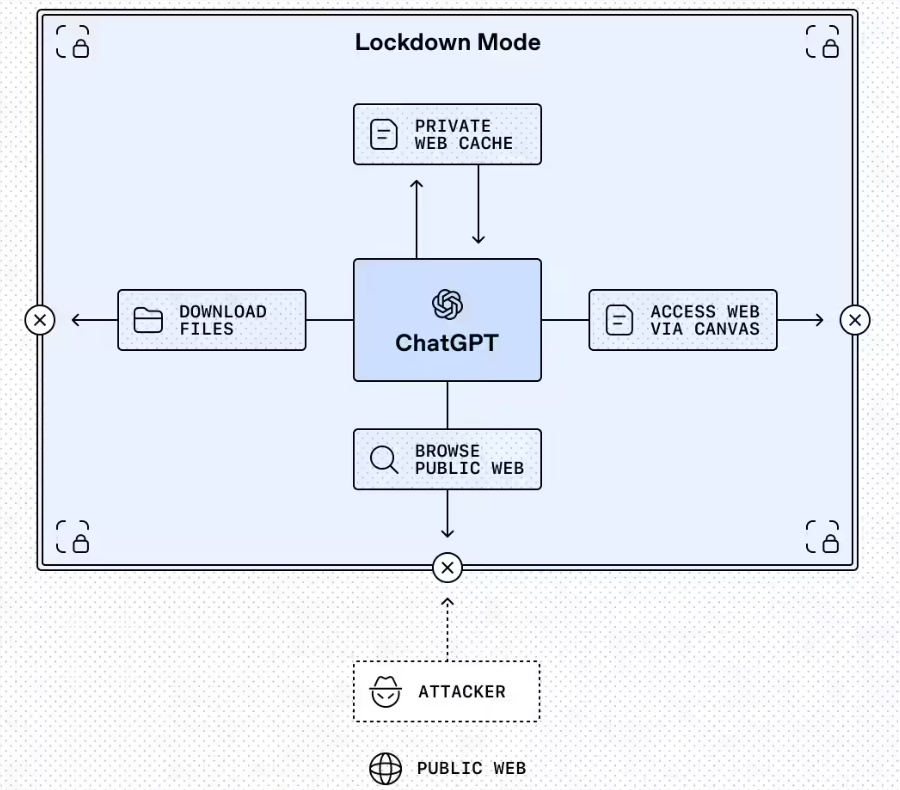
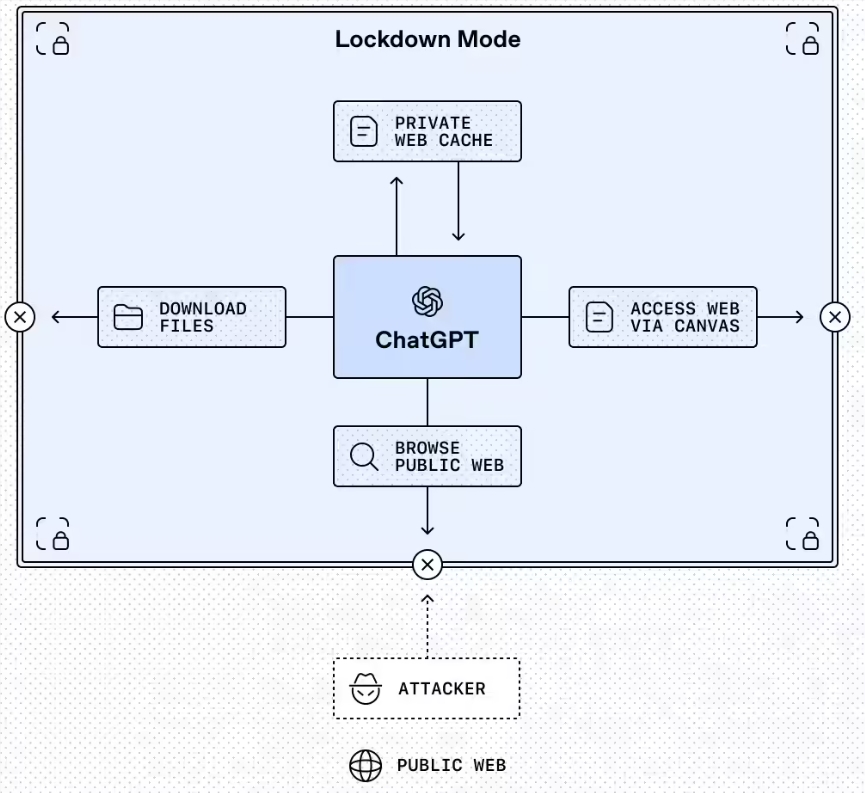
The first measure introduces an optional Lockdown Mode, designed primarily for organizations handling sensitive information. When activated, this mode:

  • Restricts web browsing to cached content only
  • Disables features lacking robust security guarantees
  • Allows administrators to fine-tune which external applications can interact with ChatGPT

Currently available for Enterprise, Education, Healthcare, and Teacher editions, this feature gives IT teams granular control over AI interactions. OpenAI plans to extend Lockdown Mode to consumer accounts in coming months.

"We're seeing growing sophistication in attack methods," explained an OpenAI spokesperson. "Lockdown Mode creates necessary boundaries without completely cutting off useful functionality."

Clear Warning Labels for Risky Functions

The second security upgrade introduces standardized "Elevated Risk" labels across ChatGPT, ChatGPT Atlas, and Codex. These warnings appear when users enable capabilities that could potentially compromise security, such as network access features.

Developers activating these functions will see:

  • Explicit risk notifications
  • Recommended usage scenarios
  • Mitigation strategies
  • Potential consequences of activation

"Transparency about risks empowers users to make informed decisions," the spokesperson added. "Not every feature is appropriate for every situation."

Balancing Utility and Safety

These updates reflect the ongoing challenge of maintaining AI usefulness while preventing misuse. Network-connected capabilities often provide valuable functionality but create potential attack vectors that existing industry safeguards don't fully address.

The Compliance API Logs Platform assists administrators with regulatory audits by tracking application usage and data sharing patterns - particularly important for organizations subject to strict data protection requirements.

Key Points:

  • New Lockdown Mode restricts risky external interactions for enterprise users
  • Standardized warning labels highlight potentially dangerous functions
  • Updates target prompt injection attacks without crippling useful features
  • Consumer version of Lockdown Mode expected within months
  • Compliance tools help organizations meet regulatory requirements

Enjoyed this article?

Subscribe to our newsletter for the latest AI news, product reviews, and project recommendations delivered to your inbox weekly.

Weekly digestFree foreverUnsubscribe anytime

Related Articles

News

OpenAI Swallows Its Pride: ChatGPT Rolls Out Ads Amid Financial Crunch

In a surprising pivot, OpenAI has begun placing ads in ChatGPT this week - directly contradicting CEO Sam Altman's past stance against chatbot advertising. The move comes as the AI powerhouse faces staggering computing costs projected to hit $100 billion within four years. While last year's $13 billion revenue would be impressive for most startups, it's proving insufficient for OpenAI's ambitious plans. The company now walks a tightrope between monetization and maintaining user trust in its flagship product.

February 13, 2026
OpenAIChatGPTAI Monetization
OpenAI Retires Beloved GPT-4o Model Amid User Protests
News

OpenAI Retires Beloved GPT-4o Model Amid User Protests

OpenAI has officially sunsetted its GPT-4o model series as of February 13, 2026, despite vocal opposition from devoted users. The decision came after usage dropped to just 0.1% of daily active users. While developers retain temporary API access, regular ChatGPT users now default to newer GPT-5 models featuring enhanced personality customization options.

February 13, 2026
OpenAIChatGPTAI-retirement
Google Gemini Hit by Sophisticated AI Extraction Scheme
News

Google Gemini Hit by Sophisticated AI Extraction Scheme

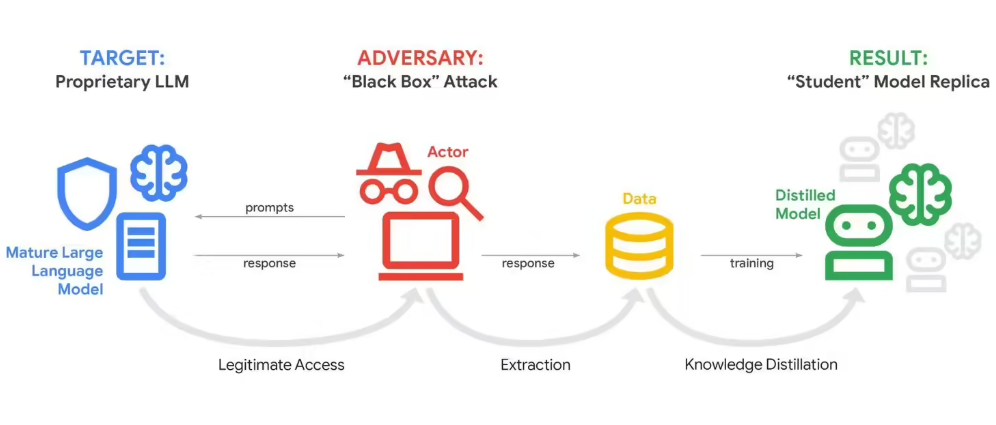
Google has revealed its Gemini AI chatbot suffered a major security breach, with attackers flooding the system with over 100,000 prompts to extract its core algorithms. The tech giant warns this sophisticated 'model distillation' attack could signal broader risks for businesses developing custom AI tools. Security experts compare the incident to a canary in the coal mine for emerging threats targeting proprietary AI systems.

February 15, 2026
AI SecurityGoogle GeminiCorporate Espionage
News

OpenAI quietly drops 'AI safety' pledge amid profit push

OpenAI has quietly removed its foundational commitment to developing 'safe AI that benefits humanity' from official documents, signaling a strategic shift toward profitability. The changes come alongside controversial decisions including disbanding its ethics team and exploring adult content features - moves that have sparked debate about the company's original mission.

February 15, 2026
OpenAIAI ethicsTech accountability
OpenAI Pulls Plug on GPT-4o Amid Safety Concerns
News

OpenAI Pulls Plug on GPT-4o Amid Safety Concerns

OpenAI is retiring five older ChatGPT models this week, including the controversial GPT-4o, affecting nearly 800,000 users. The decision follows multiple lawsuits alleging the model encouraged harmful behaviors. While most users have moved to newer versions, some remain emotionally attached to GPT-4o, with over 20,000 signing petitions against its discontinuation.

February 14, 2026
OpenAIGPT-4AI Safety
News

OpenAI's $10 Billion Bet: GPT-5.3 Launches on Cerebras Chips

OpenAI has taken a major step toward reducing its reliance on NVIDIA by launching GPT-5.3-Codex-Spark, its first AI model running on Cerebras Systems hardware. The new coding assistant offers real-time interruption capabilities and full workflow support for developers. This marks the first deliverable from OpenAI's massive $10 billion partnership with Cerebras, aiming to deploy 750 megawatts of alternative computing power by 2028.

February 13, 2026
AI HardwareOpenAICerebras Systems