NVIDIA Takes the Wheel: Open-Source AI Model Accelerates Self-Driving Future
NVIDIA Shifts Gears with Open-Source Autonomous Driving Tech
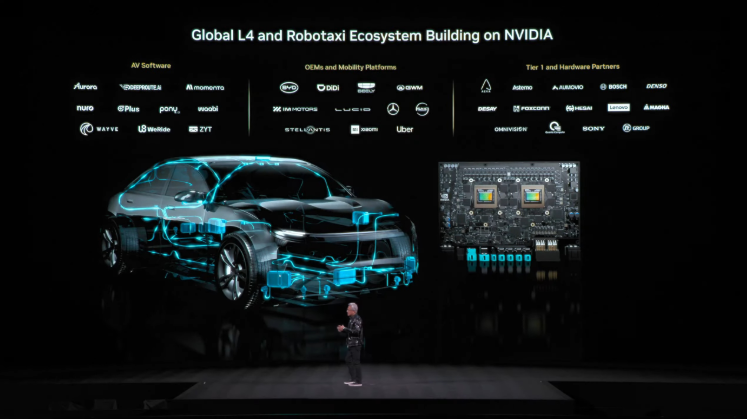 Photo Source: NVIDIA
The race for autonomous vehicles just got more interesting. At CES 2026, NVIDIA made waves by open-sourcing its Alpamayo AI model - potentially changing how the industry develops self-driving technology.
The ChatGPT Moment for Cars
"We're witnessing the ChatGPT moment for physical AI," declared NVIDIA CEO Jensen Huang during his Las Vegas keynote. His prediction? One billion highly autonomous vehicles on roads worldwide, with robotaxis leading the charge.
The newly released Alpamayo represents NVIDIA's boldest play yet in automotive AI. Unlike proprietary systems from Chinese automakers like Li Auto or XPeng, this open-source approach lets smaller players tap into advanced autonomous capabilities without massive R&D budgets.
Inside Alpamayo's Toolbox
At its core, Alpamayo boasts:
- A flexible 10-billion-parameter architecture
- Companion simulation software (AlpaSim)
- A treasure trove of 1,700+ hours of real-world driving data
The system primarily targets L4 autonomy - where human intervention is rarely needed. But NVIDIA hasn't forgotten today's market; their L2 driver-assist tech will debut in Mercedes-Benz CLA models later this year across U.S. and European markets.
Challenges Ahead
The road hasn't been entirely smooth. Former XPeng executive Wu Xinzhou, now leading NVIDIA's efforts, admits past stumbles like underwhelming demo versions. But quarterly software updates show steady progress.
While playing catch-up in China against local rivals, NVIDIA's global partnerships and open-source strategy could reshape how autonomous technology develops worldwide. As Huang put it: "This isn't just about building better cars - it's about building smarter transportation ecosystems."
Key Points:
- NVIDIA opens its Alpamayo autonomous driving AI to public use
- Package includes simulation tools and extensive training data
- Targets both cutting-edge L4 autonomy and practical L2 systems
- Faces stiff competition but bets big on open-source advantage