
Musk Foresees Programming's Demise as AI Learns Binary

Musk's Bold Prediction: The End of Programming As We Know It

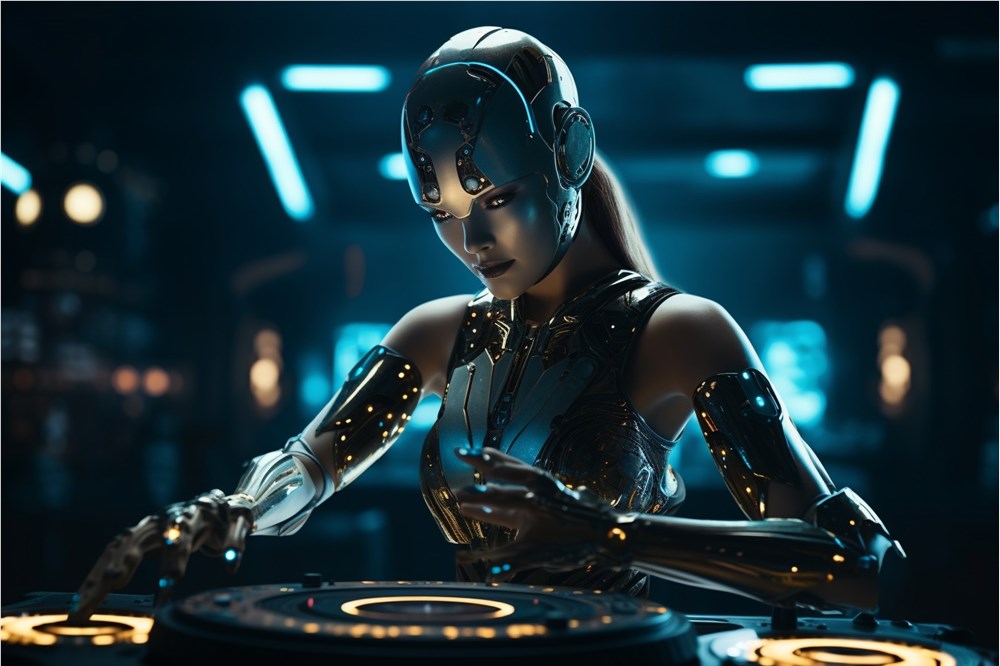
In a recent video that's sparked heated debate across tech circles, Elon Musk made a startling forecast: human programming could become obsolete by the end of 2026. The Tesla and SpaceX CEO believes artificial intelligence will soon bypass traditional coding languages entirely, generating ultra-efficient binary code directly from human instructions.
Image

From Code to Conversation: A Radical Shift

The implications are profound. Musk envisions a future where the tedious translation between human ideas and machine language disappears overnight. "We're approaching an era where what you think is what you get," he explained. "The intermediate step of writing source code will seem as archaic as punching holes in punch cards does today."

This vision challenges fundamental assumptions about software development. Traditional programming requires meticulously translating requirements into specialized languages like Python or Java, which compilers then convert to binary. Musk suggests AI will collapse this multi-layered process into a single step.

China's AI Coding Arms Race Heats Up

While skeptics question Musk's timeline, China's tech giants aren't waiting to find out. The Lunar New Year saw a flurry of AI coding announcements:

  • ByteDance unveiled Doubao 2.0 on Valentine's Day, boasting enhanced code interpretation and self-correcting capabilities
  • MiniMax countered with M2.5, touted as the world's first production-ready model designed specifically for autonomous coding agents
  • Zhipu AI's GLM-5 claims 20% better programming performance than its predecessor, excelling at complex system tasks
  • DeepSeek prepares to enter the ring with V4, anticipated to strengthen China's position in AI-assisted development

The message is clear: whether or not programming disappears entirely, its nature is changing dramatically.

Programmers Evolve Rather Than Vanish?

The most nuanced perspective comes from Anthropic's latest report on coding trends. Their research suggests programmers won't disappear so much as transform:

"Projects that once took months now wrap in weeks with tools like Claude," explains lead researcher Amanda Chen. "But someone still needs to frame problems, validate solutions, and ensure ethical compliance."

The emerging consensus? Junior developers writing routine code may face displacement, while senior engineers transition into "AI whisperer" roles - guiding systems through complex architectures and edge cases.

A $2.6 Billion Opportunity Beckons

The business implications are staggering. Analysts project the global market for AI coding tools will hit $2.6 billion by 2030. Chinese firms appear particularly well-positioned thanks to:

  • Tight integration with domestic large language models
  • Familiar interfaces matching local developer preferences
  • Competitive pricing accelerating adoption

The revolution Musk describes isn't just changing how we write software - it's redefining humanity's relationship with technology creation itself.

Enjoyed this article?

Subscribe to our newsletter for the latest AI news, product reviews, and project recommendations delivered to your inbox weekly.

Weekly digestFree foreverUnsubscribe anytime

Related Articles

News

Spotify Engineers Swap Keyboards for AI Assistants

Spotify's top developers haven't manually written code since late 2025, relying entirely on AI-powered tools. Their 'Honk' system lets engineers supervise AI-generated code remotely - even fixing bugs during commutes. While acknowledging challenges, CEO Gustav Söderström calls this shift inevitable, pointing to over 50 AI-developed features launched last year.

February 15, 2026
AI DevelopmentFuture of WorkTech Innovation
Alibaba Unveils Qwen3.5 AI Model With Major Architecture Overhaul
News

Alibaba Unveils Qwen3.5 AI Model With Major Architecture Overhaul

Alibaba is ringing in the new year with a significant AI upgrade. The Chinese tech giant announced plans to open-source its next-generation Qwen3.5 large language model on New Year's Eve, featuring what insiders describe as 'comprehensive architectural innovations.' This release comes as Alibaba seeks to strengthen its position in the competitive AI landscape while addressing previous user concerns about response consistency.

February 16, 2026
Artificial IntelligenceAlibabaLarge Language Models
India Emerges as AI Powerhouse with 100 Million Weekly ChatGPT Users
News

India Emerges as AI Powerhouse with 100 Million Weekly ChatGPT Users

OpenAI CEO Sam Altman reveals India has become ChatGPT's second-largest market globally, boasting 100 million weekly active users. The company's strategic focus on affordability through initiatives like 'ChatGPT Go' has particularly resonated with students. As tech giants compete fiercely in India's AI landscape, challenges around commercialization and infrastructure remain. The revelations come ahead of a major AI summit attracting global industry leaders.

February 16, 2026
Artificial IntelligenceChatGPTIndia Tech
News

JD.com Unveils Powerful New AI Model JoyAI-LLM-Flash

Chinese e-commerce giant JD.com has made waves in AI circles by releasing JoyAI-LLM-Flash, its latest large language model. With 4.8 billion parameters and trained on massive datasets, this innovative model promises superior reasoning and programming capabilities. What sets it apart? A groundbreaking optimization framework that boosts efficiency dramatically while maintaining stability - something that's eluded many competitors.

February 16, 2026
Artificial IntelligenceLarge Language ModelsJD.com
News

OpenAI Swallows Its Pride: ChatGPT Rolls Out Ads Amid Financial Crunch

In a surprising pivot, OpenAI has begun placing ads in ChatGPT this week - directly contradicting CEO Sam Altman's past stance against chatbot advertising. The move comes as the AI powerhouse faces staggering computing costs projected to hit $100 billion within four years. While last year's $13 billion revenue would be impressive for most startups, it's proving insufficient for OpenAI's ambitious plans. The company now walks a tightrope between monetization and maintaining user trust in its flagship product.

February 13, 2026
OpenAIChatGPTAI Monetization
News

Apple Stands Firm: Next-Gen Siri Still on Track Despite Rumors

Apple has officially denied reports suggesting delays to its AI-powered Siri upgrade, confirming the virtual assistant's overhaul remains scheduled for 2026. The tech giant's statement comes after speculation about technical hurdles caused temporary stock dips. The new Siri promises groundbreaking features like screen awareness and personalized understanding, though analysts note Apple avoided addressing potential minor rollout adjustments.

February 13, 2026
AppleSiriAI Assistants