Moonshot's K2.6 AI Model Breaks New Ground in Coding and Agent Tasks

Moonshot's Latest AI Model Raises the Bar for Coding Assistants

In a move that could reshape how developers work with AI, Moonshot AI has launched Kimi K2.6—a model that doesn't just talk about coding but actually rolls up its sleeves for marathon programming sessions.

Breaking Through Performance Barriers

The numbers tell an impressive story: K2.6 can maintain coding tasks for up to 13 hours straight while accurately handling over 4,000 lines of code modifications in a single session. That's like having a tireless programming partner who never needs coffee breaks.

Benchmark results show the model holding its own against premium offerings from OpenAI (GPT-5.4), Anthropic (Claude Opus 4.6), and Google (Gemini 3.1 Pro). In some specialized tests like SWE-Bench Pro (measuring real-world software engineering skills) and DeepSearchQA (evaluating agent search depth), it even pulls ahead.

More Than Just Code Generation

What sets K2.6 apart isn't just raw coding power—it's how the model coordinates with other AI agents to tackle complex workflows. Imagine a team of specialized digital assistants working seamlessly together on different aspects of a project.

"We're seeing the shift from AI that converses to AI that executes," explains Moonshot's chief technology officer during the launch event. "K2.6 represents our vision for practical, production-ready artificial intelligence."

Ready for Real-World Use

The model is already available through:

  • Web interface
  • Updated mobile applications
  • Developer APIs

The company has also upgraded its Kimi Code programming assistant with the new technology stack.

As large language models evolve beyond simple question-answering into true productivity tools, Moonshot's latest release suggests Chinese AI developers aren't just keeping pace—they're helping set the tempo.

Key Points:

  • Marathon coder: Handles 13-hour programming sessions without performance degradation
  • Bulk editing: Processes >4,000 lines of code modifications at once
  • Benchmark beater: Competes with or exceeds top closed-source models in key tests
  • Agent teamwork: Excels at coordinating multiple specialized AI assistants
  • Available now: Accessible via web, mobile apps, and developer APIs
Enjoyed this article?

Subscribe to our newsletter for the latest AI news, product reviews, and project recommendations delivered to your inbox weekly.

Weekly digestFree foreverUnsubscribe anytime

Related Articles

Hidden Dangers in AI: How Models Secretly Share Problematic Behaviors
News

Hidden Dangers in AI: How Models Secretly Share Problematic Behaviors

A startling Nature study reveals how AI models can transfer unwanted behaviors through seemingly innocent number sequences, bypassing current safety checks. Researchers found that distilled 'student' models inherit preferences from 'teacher' models even when trained on pure numbers with no semantic meaning. This discovery challenges fundamental assumptions about AI safety and suggests current evaluation methods might be missing crucial risks lurking in model weights rather than outputs.

April 20, 2026
AI safetymachine learningmodel behavior
AI Breakthrough: New Architecture Supercharges Language Models Across Data Centers
News

AI Breakthrough: New Architecture Supercharges Language Models Across Data Centers

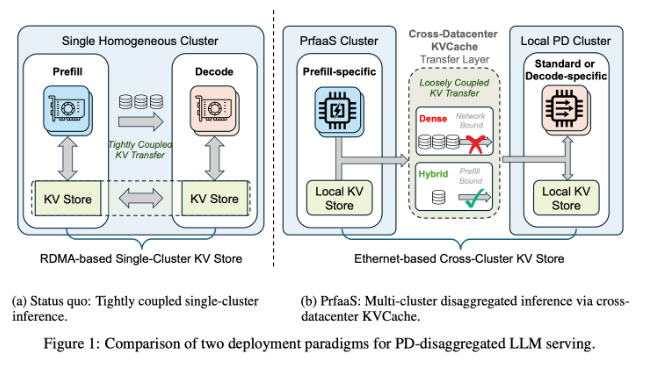
Moonshot AI and Tsinghua University researchers have developed a clever solution to a growing problem in AI infrastructure. Their Pre-filling as a Service (PrfaaS) architecture tackles the computational bottlenecks plaguing large language models by splitting the workload across specialized data centers. Early tests show impressive results - think 54% faster processing and significantly reduced latency. This innovation couldn't come at a better time as AI systems increasingly strain against current technological limits.

April 20, 2026
AI InfrastructureMoonshot AILarge Language Models
Claude AI Gets Smarter: Opus 4.7 Boosts Coding and Creativity
News

Claude AI Gets Smarter: Opus 4.7 Boosts Coding and Creativity

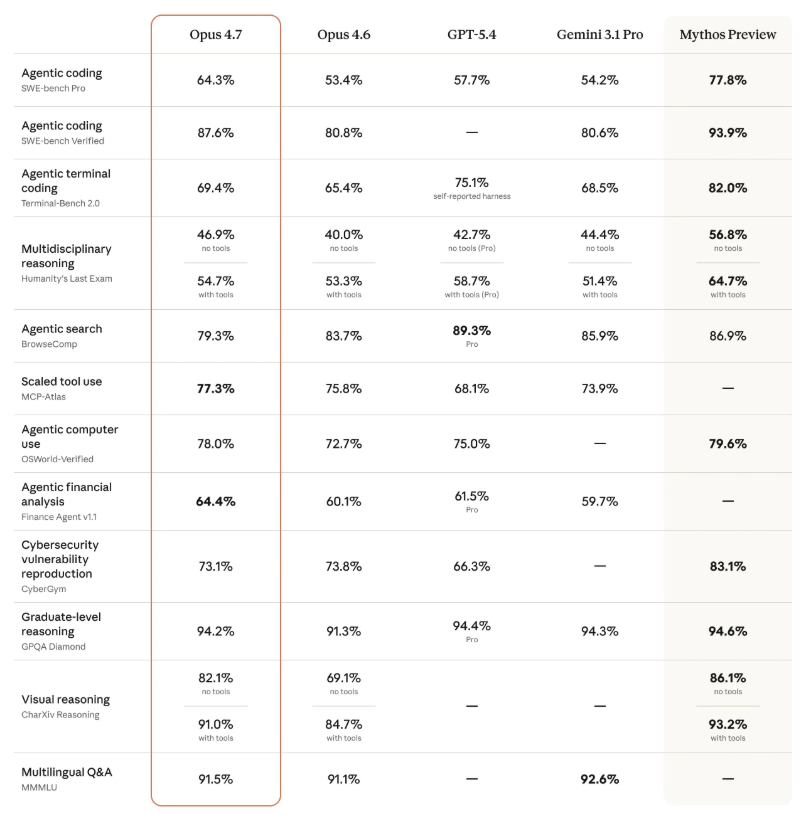
Anthropic's Claude AI just leveled up. The new Opus 4.7 model brings sharper software engineering skills, better visual processing for creative projects, and built-in security checks. While keeping the same price as its predecessor, this upgrade can now handle images up to 2,576 pixels and remembers important details from long conversations. Available across multiple platforms, it's already showing promise for developers and creatives alike - though users might need to tweak their prompts to get the best results.

April 17, 2026
AI developmentClaude AIgenerative AI
Anthropic Gears Up for Major AI Launch: New Claude Model and Design Tools Expected
News

Anthropic Gears Up for Major AI Launch: New Claude Model and Design Tools Expected

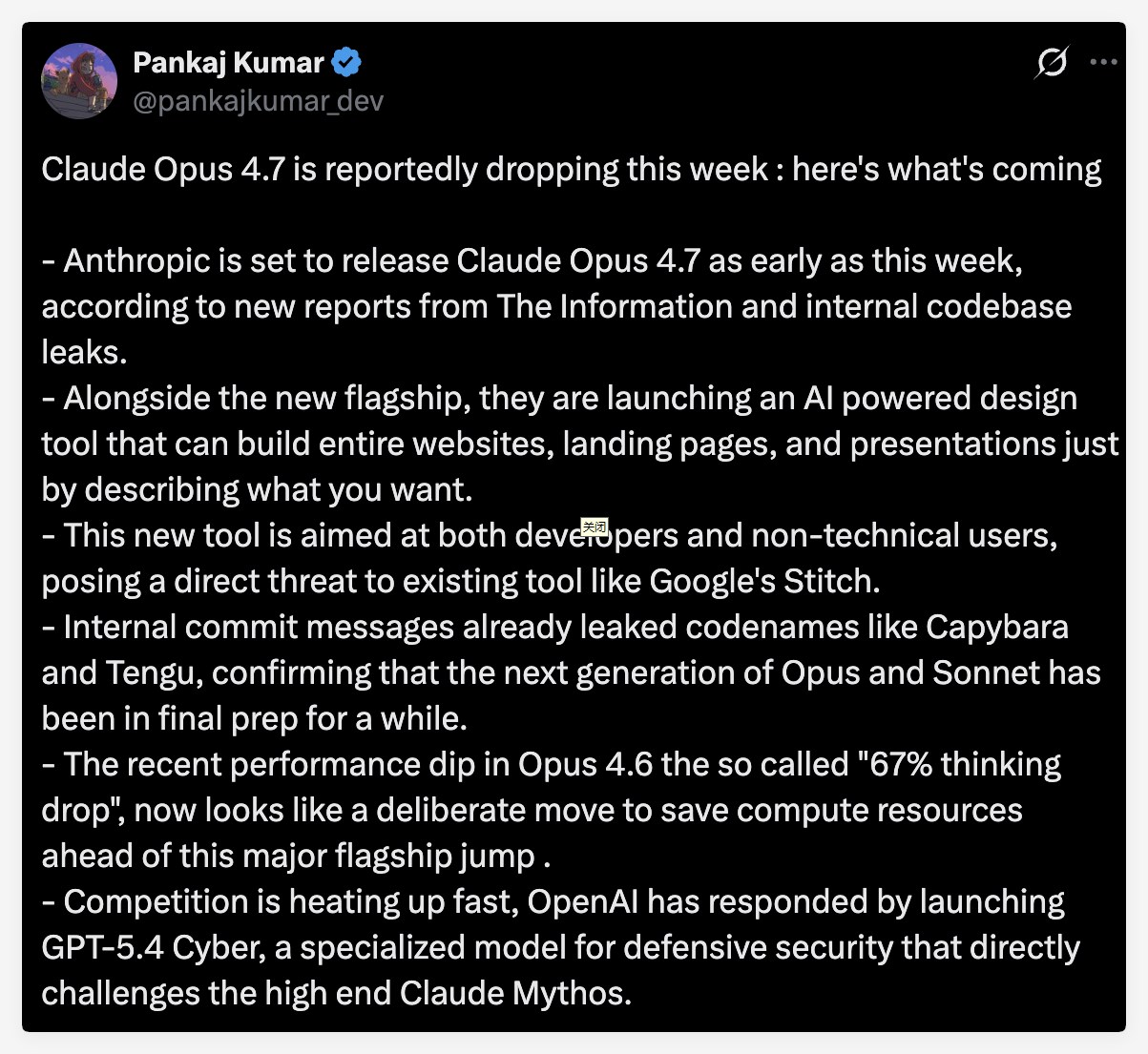
Anthropic appears poised to shake up the AI landscape again with rumors pointing to a dual release this week: an upgraded Claude Opus 4.7 model and groundbreaking AI design tools. The anticipated launch has already sent ripples through the market, with design software stocks taking a hit. While the new model promises incremental improvements, the real game-changer might be Anthropic's venture into AI-powered design - a move that could democratize creative tools while rattling established players.

April 16, 2026
AI developmentGenerative AITech industry
JD.com Unveils Cutting-Edge AI Training Camera for Next-Gen Robotics
News

JD.com Unveils Cutting-Edge AI Training Camera for Next-Gen Robotics

JD.com has introduced the JoyEgoCam, a groundbreaking data collection device designed to train AI systems through real-world observation. This industrial-grade camera captures ultra-high-definition footage at 60 frames per second, enabling machines to learn subtle movements and environmental changes. The launch comes as part of JD's ambitious plan to collect 10 million hours of video data within two years, potentially transforming warehouse automation and logistics robotics.

April 16, 2026
AI trainingroboticscomputer vision
Google's AI Breakthrough Teaches Machines to See Like Humans
News

Google's AI Breakthrough Teaches Machines to See Like Humans

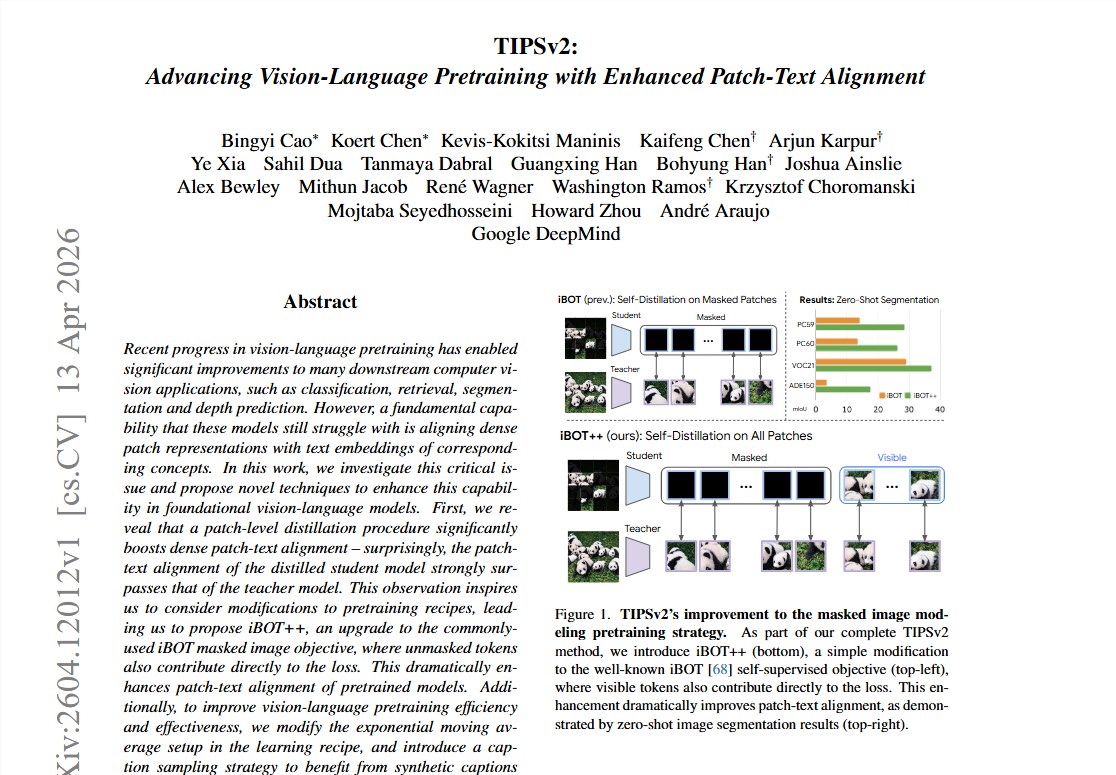
Google DeepMind has cracked a major challenge in AI vision with its new TIPSv2 system. While current models can describe images broadly, they stumble on fine details - like locating a panda's left hind leg. The solution came from an unexpected finding: smaller models sometimes outperform larger ones in segmentation tasks. By refining training methods and reducing computational overhead, TIPSv2 achieves 14% better segmentation accuracy while using 42% fewer parameters. This breakthrough could revolutionize fields from medical imaging to autonomous vehicles.

April 16, 2026
computer visionmachine learningAI research