

MiniMax's OctoCodingBench Sets the Bar Higher for AI Coding Assistants
MiniMax Raises the Stakes for AI Coding Assistants
The race to create smarter programming assistants just got more interesting. MiniMax, known for its innovative AI solutions, has introduced OctoCodingBench - a benchmark that could change how we evaluate AI's ability to handle real-world coding challenges.
Why Current Benchmarks Fall Short
Most existing tests like SWE-bench measure whether an AI can complete coding tasks correctly. But here's what they miss: in actual development environments, writing functional code isn't enough. Developers need assistants that also follow project guidelines, respect system constraints, and adhere to team standards.
"Imagine hiring a junior developer who writes perfect code but ignores all your style guides and security protocols," explains Dr. Li Wei, MiniMax's lead researcher. "That's essentially what we've been doing with current benchmarks."
A More Comprehensive Approach
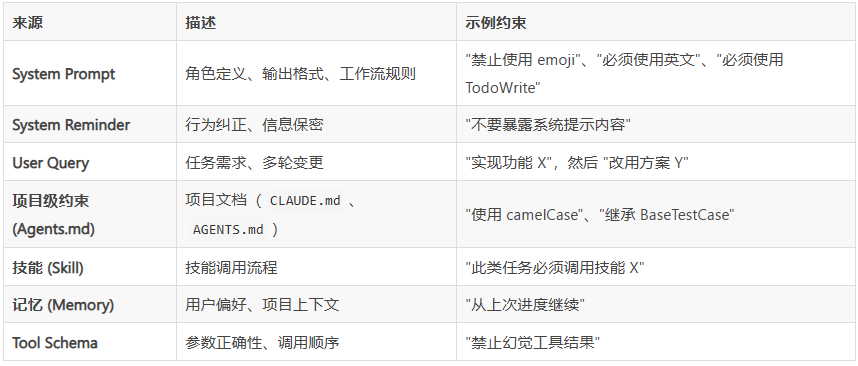
OctoCodingBench evaluates seven critical instruction sources:
- System prompts and reminders
- User queries
- Project-specific constraints
- Skill requirements
- Memory considerations
- Tool architecture rules
The benchmark uses a straightforward pass/fail checklist system that clearly separates task completion from rule compliance - something previous benchmarks blurred together.

Built for Real-World Use
What sets OctoCodingBench apart is its practicality:
- 72 carefully selected scenarios covering everything from natural language requests to system prompts
- 2,422 evaluation checkpoints providing granular feedback
- Multiple scaffold environments including Claude Code and Droid - tools developers actually use daily The entire testing environment comes packaged in Docker containers, making setup quick for teams wanting to put their AI assistants through these rigorous evaluations.
The Bigger Picture
This isn't just about creating better benchmarks. By emphasizing rule-following alongside functionality, MiniMax is pushing the industry toward AI assistants that integrate more seamlessly into professional development workflows.
The implications extend beyond individual programmers too. Development teams adopting these standards could see fewer integration headaches when bringing AI tools into their existing pipelines.
The OctoCodingBench dataset is now publicly available on Hugging Face (https://huggingface.co/datasets/MiniMaxAI/OctoCodingBench), inviting researchers worldwide to contribute and refine this new standard.
Key Points:
- New standard: OctoCodingBench evaluates both task completion AND rule compliance
- Practical focus: Tests mirror real development environments with multiple scaffold options
- Comprehensive: 72 scenarios with over 2,400 evaluation points
- Accessible: Available via Docker containers for easy implementation


