Microsoft snaps up Osmos to supercharge its AI data game

Microsoft Bets Big on Clean Data with Osmos Acquisition

In a strategic power play, Microsoft has acquired Osmos, an AI-powered data engineering startup, signaling its determination to dominate the crucial but often overlooked world of data preparation. The move directly challenges competitors Snowflake and Databricks by addressing what many call "AI's dirty little secret" - most enterprise data is too messy for effective machine learning.

Why Osmos Matters

Osmos specializes in what might be the least glamorous but most critical part of AI development: cleaning up corporate data chaos. Anyone who's worked with enterprise systems knows the pain - customer records scattered across incompatible formats, purchase histories full of gaps, and inventory reports that might as well be written in hieroglyphics.

The startup's secret sauce? Automated tools that can:

  • Connect disparate systems (ERP, CRM, logs) without manual coding
  • Smart-match fields even when they're labeled differently
  • Spot and fix anomalies like missing values or formatting errors
  • Generate custom pipelines tailored to each company's needs

"Think of it as robotic spring cleaning for your data warehouses," explains industry analyst Mara Chen. "What used to take teams weeks can now happen during your morning coffee break."

Microsoft's Master Plan

The tech giant isn't just buying technology - it's acquiring ammunition for multiple fronts:

For Azure Cloud Customers

The Osmos engine will integrate with Azure Data Factory, promising business users they can "just add water" to their AI projects with cleaner datasets.

For Office Users

The Power Platform will gain natural language tools letting employees create data flows as easily as drafting an email.

Against Competitors

The deal pressures Snowflake and Databricks where they're vulnerable - while strong at analytics, neither offers comparable automation for preparing raw data.

"This is chess, not checkers," observes tech strategist Raj Patel. "Microsoft's bundling productivity apps (Office), ERP systems (Dynamics), and now smart data prep into an unbeatable suite."

The Bigger Picture: Data as Differentiator

As AI models become more standardized across providers, high-quality training data emerges as the real competitive edge. Financial firms need pristine transaction records. Manufacturers require perfectly tagged equipment logs. Hospitals demand error-free patient histories.

Microsoft seems betting that controlling this unglamorous plumbing work will determine who wins the flashier AI applications built on top. As one Azure engineer put it: "You wouldn't put contaminated fuel in a race car and expect peak performance."

The acquisition suggests we've entered Phase Two of the AI wars - after the initial frenzy around chatbots comes the hard work of making enterprise AI actually deliver on its promises.

Key Points:

  • Microsoft acquires Osmos to automate enterprise data cleaning
  • Technology cuts prep time from weeks to hours
  • Deep integration planned with Fabric, Azure Data Factory
  • Direct challenge to Snowflake/Databricks' analytics dominance
  • Signals shift toward "data quality" as key AI differentiator
Enjoyed this article?

Subscribe to our newsletter for the latest AI news, product reviews, and project recommendations delivered to your inbox weekly.

Weekly digestFree foreverUnsubscribe anytime

Related Articles

Microsoft's Superconductor Breakthrough Could Revolutionize Data Centers
News

Microsoft's Superconductor Breakthrough Could Revolutionize Data Centers

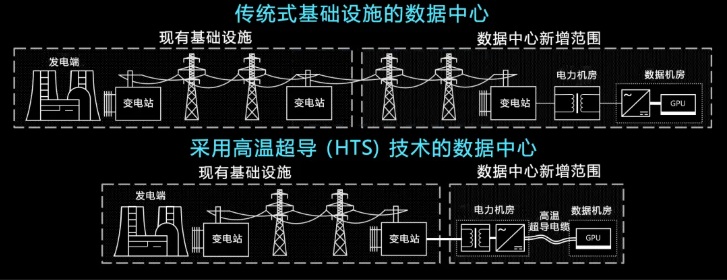
Microsoft is making waves with its high-temperature superconductivity technology that promises to transform how data centers handle power. By eliminating energy loss during transmission, these ultra-efficient cables could solve the growing power demands of AI infrastructure while reducing environmental impact. The tech giant has already begun real-world testing with partners, signaling a potential shift in how we power our digital future.

April 7, 2026
superconductorsMicrosoftdata centers
Microsoft's Harrier: A Multilingual AI Powerhouse Goes Open Source
News

Microsoft's Harrier: A Multilingual AI Powerhouse Goes Open Source

Microsoft's Bing team has unveiled Harrier, a groundbreaking multilingual embedding model now available as open source. Supporting over 100 languages, this AI powerhouse leverages GPT-5 synthetic data and boasts impressive 32,000-token context windows. With versions ranging from 60 million to 2.7 billion parameters, Harrier promises to revolutionize search engines and AI agent services while remaining accessible across hardware capabilities.

April 8, 2026
MicrosoftAIMultilingual
Microsoft Word for iOS Gets Smarter with Copilot AI Assistant
News

Microsoft Word for iOS Gets Smarter with Copilot AI Assistant

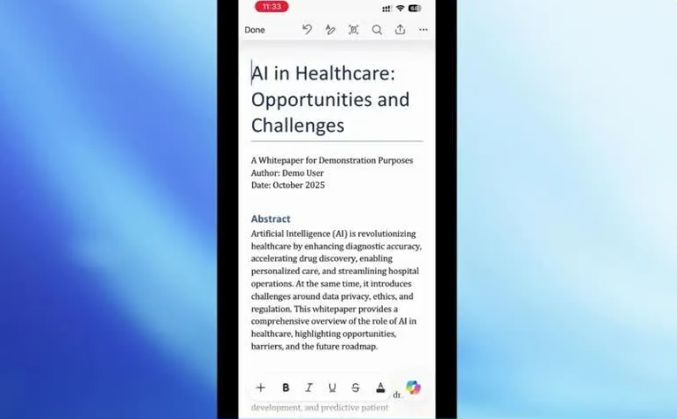
Microsoft is testing a game-changing AI feature in its iOS Word app. The new Copilot integration lets users draft and refine documents using natural language commands, though with some current limitations. This move signals Microsoft's push to bring advanced AI tools directly into mobile productivity workflows.

April 7, 2026
MicrosoftAIProductivity
News

Microsoft Bets Big on Homegrown AI to Challenge Industry Leaders

Microsoft is making an aggressive push into developing its own AI models, aiming to compete head-to-head with OpenAI and Anthropic by 2027. The tech giant is investing heavily in computing power with NVIDIA's latest chips and has already seen promising results with a new speech transcription model. This strategic shift comes after Microsoft gained more independence from its partnership with OpenAI, signaling its ambition to become a leader rather than just an integrator of AI technology.

April 3, 2026
MicrosoftAI DevelopmentTech Competition
News

Google's Texas Gas Plant Fuels AI Boom, Sparks Climate Concerns

Google is building a 933-megawatt natural gas plant in Texas to power its AI data centers, raising questions about tech giants' climate commitments. The project, developed with Crusoe Energy, could emit 45 million tons of CO2 annually - a sharp contrast to Google's net-zero pledges. As AI's energy demands skyrocket, even Silicon Valley's green champions are turning to fossil fuels to keep servers running.

April 3, 2026
AI infrastructureTech sustainabilityEnergy policy
Microsoft's new AI transcription tool sets accuracy benchmark
News

Microsoft's new AI transcription tool sets accuracy benchmark

Microsoft has unveiled MAI-Transcribe-1, a speech-to-text model that achieves record-breaking 3.9% word error rate across 25 languages. Outperforming competitors like OpenAI and Google, this affordable solution ($0.36/hour) excels in multilingual scenarios while offering faster processing speeds. The launch strengthens Microsoft's position in the AI arms race for practical business applications.

April 3, 2026
Microsoft AIspeech recognitiontranscription technology