Microsoft's Superconductor Breakthrough Could Revolutionize Data Centers
Microsoft Bets on Superconductors to Power the AI Revolution
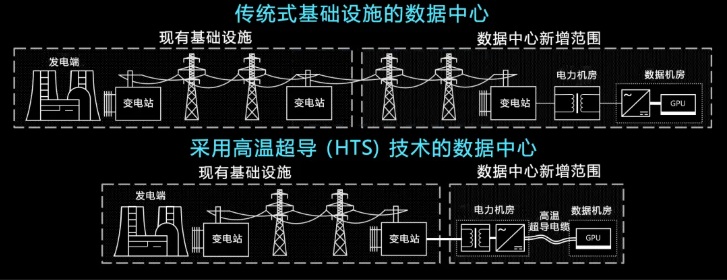
In a move that could redefine energy efficiency in tech infrastructure, Microsoft is pioneering high-temperature superconducting (HTS) technology for data centers. This innovation addresses one of the biggest challenges in today's AI boom: delivering massive amounts of power without the typical losses and heat generation.
The Power of Zero Resistance
Traditional data centers rely on copper or aluminum wiring, but HTS cables change the game completely:
- Energy savings: Electricity flows with virtually no resistance, meaning almost no power gets wasted as heat
- Space efficiency: These cables are dramatically smaller - imagine fitting ten times more capacity in the same physical space
- Cool running: Without heat buildup, cooling systems can be simpler and more efficient
Making the Impossible Practical
The real breakthrough isn't just the superconductors themselves, but Microsoft's solution for keeping them at optimal temperatures. Their scalable cooling system makes what was once a laboratory curiosity into a viable commercial technology.
"We're not just improving efficiency - we're reimagining the entire power architecture for AI infrastructure," explains Alistair Spears from Microsoft's Global Infrastructure team.
From Lab to Real World
Microsoft isn't going it alone. Key partnerships show this technology is ready for prime time:
- With VEIR: Completed factory tests on a powerful 3MW superconducting cable system
- Grid integration: Already helping utilities like Chicago's Edison Electric connect substations more efficiently
- Community benefits: Smaller, quieter systems mean less disruption when upgrading power networks
Why This Matters Now
As AI demands push power requirements to unprecedented levels, traditional solutions are hitting physical limits. Microsoft's approach could:
- Reduce energy costs for cloud computing by significant margins
- Enable more compact data center designs
- Provide cleaner energy solutions with lower carbon footprints
The implications extend beyond tech companies - this could influence how cities plan their power grids and how we think about energy infrastructure in the digital age.
Key Points:
- Microsoft's HTS technology eliminates nearly all power loss in transmission
- Enables more compact, efficient data center designs
- Already being tested in real-world applications with partners
- Could help meet surging power demands from AI development
- Represents a potential breakthrough in sustainable computing infrastructure