Microsoft's VibeVoice AI revolutionizes speech tech with open-source release
Microsoft Opens the Floodgates with VibeVoice Speech AI
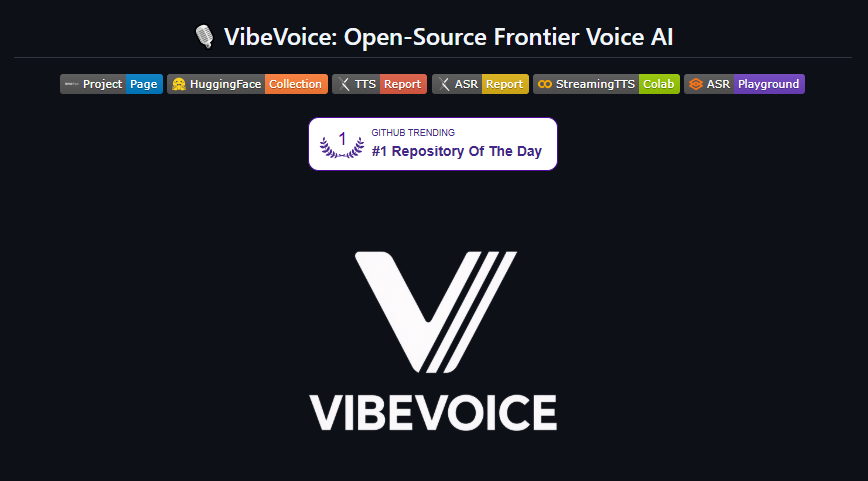
In a move that's shaking up the speech technology landscape, Microsoft has released its VibeVoice AI family as open-source software. This isn't just another incremental update - we're talking about models that chew through hour-long conversations and spit out perfectly formatted transcripts while keeping multiple speakers straight.
What Makes VibeVoice Special?
The project exploded on GitHub, amassing 27,000 stars practically overnight. Why the frenzy? Developers are drooling over three game-changing models:
- VibeVoice-ASR-7B: Your new best friend for meetings. It digests 60-minute audio files in one gulp, outputting who said what when - complete with timestamps and speaker IDs. Custom terms? No problem. Fifty languages? Covered.
- VibeVoice-TTS-1.5B: The storyteller's dream. This bad boy generates 90-minute audio dramas with four distinct character voices that actually sound human - pauses, emotions and all.
- VibeVoice-Realtime-0.5B: The speed demon. Three hundred milliseconds from text to speech means your voice assistant won't leave you hanging mid-conversation.
From Corporate Labs to Your Laptop
What really sets this apart? You can run it locally - no cloud subscriptions, no monthly fees. Microsoft slapped an MIT license on it and set it free, though they did hit pause briefly to bake in audio watermarks after realizing how easily these tools could be misused.
Early adopters are already building cool stuff. There's Vibing, a slick voice input method for Mac and Windows that's proving scary accurate in daily use.
The Tech Behind the Magic
The secret sauce? A clever combo of continuous speech tokenizers and low frame rates (7.5Hz) that make marathon audio sessions computationally feasible. Traditional TTS models choke after a couple speakers - VibeVoice handles four while maintaining consistent vocal fingerprints.
For real-time applications, the lightweight 0.5B version delivers that crucial sub-second response time while still managing respectable 10-minute generations when needed.
What's Next?
The open-source community is already optimizing for Apple Silicon among other improvements. As these tools mature, expect them to supercharge everything from podcast production to accessibility tools.
Key Points:
- Local processing means no cloud dependency or recurring costs
- Enterprise-grade capabilities now available to indie developers
- Built-in safeguards address potential misuse concerns
- Multilingual support covers over 50 languages out of the gate
- Community momentum suggests rapid evolution ahead