Microsoft's Edge Browser Gets Smarter with Outlook Integration

Microsoft Tightens Outlook-Edge Connection with AI Boost

Microsoft's digital ecosystem is about to get significantly smarter. The tech giant plans to deepen integration between its Outlook email service and Edge browser through enhanced Copilot functionality - a move that could change how millions handle their daily workflow.

Seamless AI Assistance Coming Soon

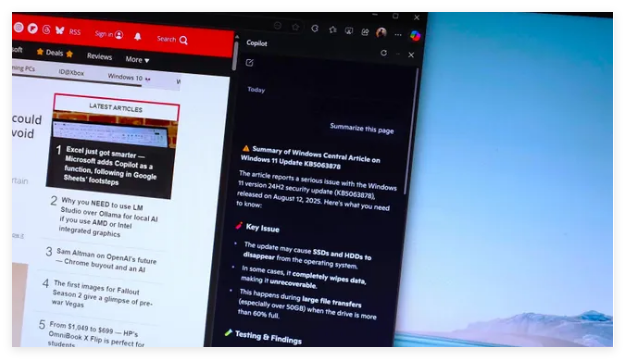
The upcoming feature, currently slated for May 2025 release, will automatically summon Copilot whenever users click web links within Outlook emails. Rather than just loading the target page, Edge will simultaneously analyze both the email content and webpage in what Microsoft calls "context-aware" browsing.
Image

"This isn't just about opening links anymore," explains a Microsoft insider familiar with the project. "We're creating intelligent bridges between your communications and research activities."

How It Works

The enhanced Copilot integration promises three key benefits:

  • Instant summaries of both email threads and linked content
  • Smart highlighting of crucial information across sources
  • Actionable suggestions based on combined context

Imagine receiving a project update email with multiple reference links. Instead of manually comparing information, Copilot could automatically generate comparative analyses or identify conflicting data points.

Behind Microsoft's Strategy

This move represents more than just convenience - it's part of Microsoft's broader play to leverage its ecosystem advantage against competitors like Google Chrome. By embedding AI capabilities at natural workflow junctions (like email-to-web transitions), Microsoft hopes to make its tools indispensable.

The Edge team appears particularly focused on evolving the browser sidebar into Copilot's command center. Recent updates suggest this space will become increasingly customizable for different professional needs.

Potential Impact and Considerations

Industry analysts see this as part of a larger shift from reactive AI tools to proactive workplace assistants. However, some privacy advocates question how much contextual data Microsoft will process - though company representatives assure all analysis happens locally when possible.

The May 2025 timeline comes with caveats; Microsoft has adjusted similar roadmap commitments before. But if successful, this integration could set new expectations for how office software should work together intelligently.

Key Points:

  • Automatic Copilot activation when clicking Outlook links in Edge
  • Simultaneous analysis of emails and web content
  • Scheduled for May 2025 (subject to change)
  • Part of Microsoft's broader AI ecosystem strategy
  • Focuses on reducing app-switching cognitive load
Enjoyed this article?

Subscribe to our newsletter for the latest AI news, product reviews, and project recommendations delivered to your inbox weekly.

Weekly digestFree foreverUnsubscribe anytime

Related Articles

Microsoft Edge Tackles Tab Overload with Smart AI Sorting
News

Microsoft Edge Tackles Tab Overload with Smart AI Sorting

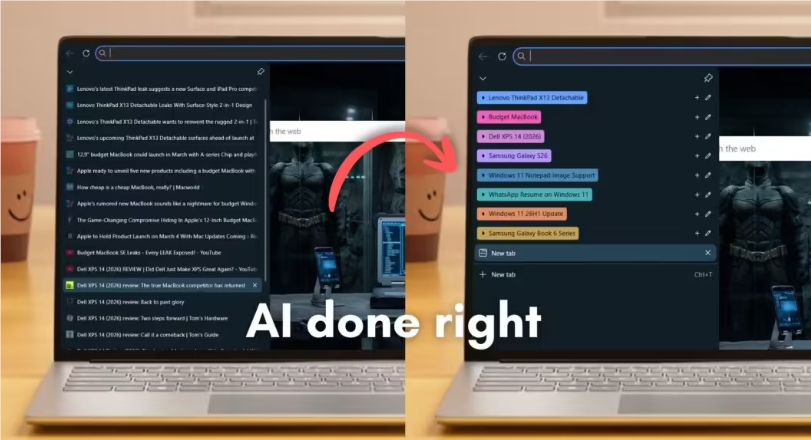
Microsoft Edge introduces a clever solution for tab-heavy users—AI-powered organization that sorts 40 messy tabs in under a second. The feature analyzes page content deeply, grouping similar tabs with smart labels and colors. During tests, it proved surprisingly accurate even with complex pages like videos and shopping sites. For professionals drowning in browser tabs, this could be the productivity boost they've been waiting for.

February 26, 2026
Microsoft EdgeBrowser FeaturesAI Organization
Claude AI Now Works Inside Your Favorite Office Apps
News

Claude AI Now Works Inside Your Favorite Office Apps

Anthropic's new enterprise plugin brings Claude AI directly into Microsoft Office and Slack, eliminating tedious copy-paste workflows. The open-source system allows companies to customize AI assistants while avoiding vendor lock-in. Early adopters like Deloitte are already automating processes with seamless access to corporate data.

February 25, 2026
AnthropicAI ProductivityEnterprise Software
Microsoft Sounds Alarm on OpenClaw AI Security Risks
News

Microsoft Sounds Alarm on OpenClaw AI Security Risks

Microsoft warns enterprises against deploying its OpenClaw AI assistant on standard workstations due to serious security vulnerabilities. The autonomous agent's high-privilege access makes it susceptible to indirect prompt injections and skill-based malware attacks. Recent findings reveal over 42,000 exposed control panels globally, prompting Microsoft to recommend strict isolation protocols.

February 24, 2026
AI SecurityMicrosoftEnterprise Technology
News

Honor Phones to Get Smarter Meeting Notes with New AI Feature

Honor is teaming up with AI specialist Plaud to bring native meeting transcription directly to its smartphones. The upcoming MagicOS update will transform the built-in voice recorder into an intelligent assistant that automatically generates polished meeting minutes. Office workers can finally ditch the tedious process of manual transcription - just hit record and let your phone handle the rest.

February 9, 2026
HonorAI ProductivityMeeting Technology
News

NVIDIA Engineers Triple Coding Output With Custom AI Tools

NVIDIA has equipped its entire engineering team of 30,000 with custom AI coding assistants, resulting in a dramatic 300% productivity boost. The chipmaker partnered with startup Anysphere to tailor development tools specifically for its complex hardware needs. While code production skyrocketed, quality remained stable - proving AI's growing role in technical workflows.

February 9, 2026
AI ProductivityNVIDIASoftware Development
News

Microsoft Tweaks Windows 11 AI Features After User Backlash

Microsoft is rolling back some controversial AI features in Windows 11 following user complaints. The tech giant will simplify or remove unpopular tools like the Copilot button in basic apps and the privacy-concerning Windows Recall function. While maintaining its broader AI strategy, Microsoft aims to prioritize practical functionality over flashy tech innovations. This move comes as Windows 11 faces criticism for performance issues and unwanted features since replacing Windows 10.

February 2, 2026
MicrosoftWindows11ArtificialIntelligence