Microsoft bets big on Africa's AI future with plan to train 3 million

Microsoft's African AI Gamble: Training Millions While Battling Chinese Rivals

Africa's tech landscape is heating up, and Microsoft isn't about to sit on the sidelines. The tech giant recently announced ambitious plans to train 3 million Africans in AI tools this year - a bold move that underscores the continent's growing importance in the global digital economy.

Why Africa? Why Now?

With the world's youngest population and fastest-growing mobile market, Africa represents fertile ground for tech companies looking to plant early flags. But Microsoft isn't alone in recognizing this potential. Chinese open-source platform DeepSeek has already captured significant market share - nearly 20% in countries like Ethiopia and Zimbabwe.

"What we're seeing is essentially a new scramble for Africa," explains Nadim Yazeed, Microsoft's Middle East and Africa president. "But instead of natural resources, this time it's about talent and technological influence."

Microsoft's Three-Pronged Strategy

The company plans to counter DeepSeek's cost advantage through:

1. Mass Education Initiatives Through its Microsoft Elevate program, the company will partner with schools across South Africa, Kenya, Nigeria and Morocco to provide AI literacy training aimed at breaking down economic barriers.

2. Telecom Partnerships A deal with MTN Group means Copilot-powered Microsoft 365 suites could soon reach the telecom giant's 300 million subscribers across the continent.

3. Infrastructure Investments Microsoft is pouring $330 million into South African cloud services while planning Kenya's first geothermal-powered data center - addressing both computing needs and sustainability concerns.

The Chinese Challenge

DeepSeek's appeal lies in its affordability - a crucial factor for cash-strapped African entrepreneurs. "When you're bootstrapping a startup," says Lagos-based developer Amina Diallo, "every dollar counts. Chinese solutions often give us more bang for our buck."

The stakes are high: analysts predict AI adoption could add $1.5 trillion to Africa's GDP by 2030. As Yazeed puts it: "This isn't just about selling software anymore - it's about shaping who gets to participate in the Fourth Industrial Revolution."

Key Points:

  • Microsoft aims to train 3 million Africans in AI tools by year-end
  • Strategic focus on education, telecom partnerships ($330M investment)
  • Faces stiff competition from China's DeepSeek platform
  • Potential economic impact: $1.5 trillion GDP boost by 2030
Enjoyed this article?

Subscribe to our newsletter for the latest AI news, product reviews, and project recommendations delivered to your inbox weekly.

Weekly digestFree foreverUnsubscribe anytime

Related Articles

Tencent's WorldCompass Helps AI Models Navigate Complex Commands
News

Tencent's WorldCompass Helps AI Models Navigate Complex Commands

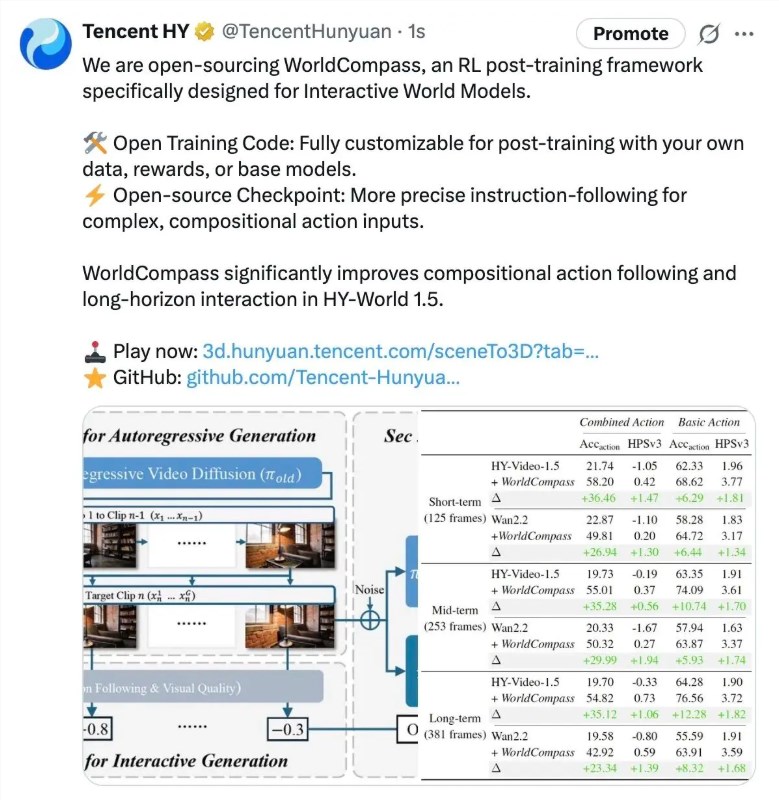
Tencent has open-sourced WorldCompass, a reinforcement learning framework that dramatically improves how AI world models understand and execute complex instructions. This breakthrough solves persistent accuracy issues, boosting performance by over 35% in challenging scenarios. The technology marks a shift from pure pre-training to sophisticated fine-tuning approaches.

March 11, 2026
AI developmentTencentmachine learning
SkillHub Debuts With 13,000+ AI Tools Tailored for Chinese Developers
News

SkillHub Debuts With 13,000+ AI Tools Tailored for Chinese Developers

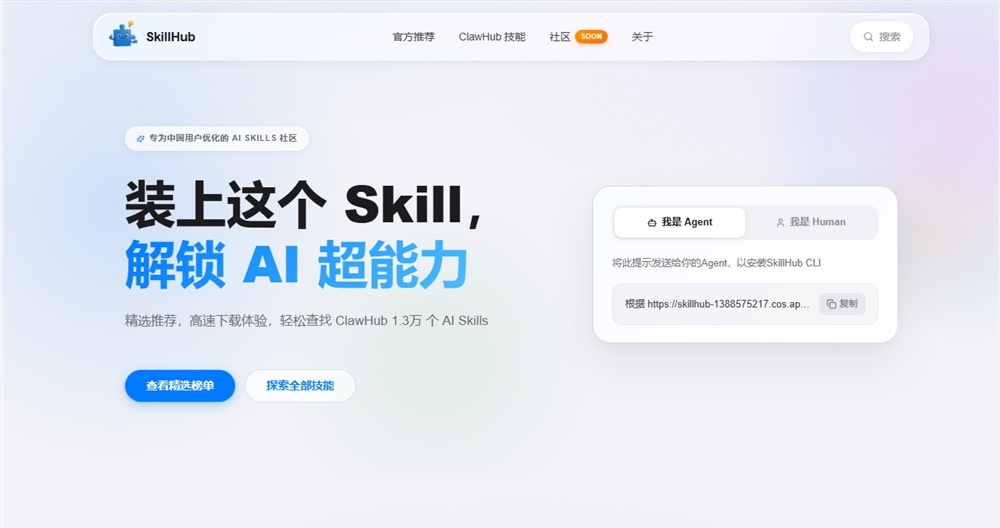
China's AI ecosystem gets a major boost with SkillHub's launch, offering over 13,000 optimized AI skills. The platform slashes setup times with local servers and introduces smart CLI tools - making Xiaohongshu automation and GitHub integrations just commands away. What really excites? Self-improving agents hint at AI's next evolutionary leap.

March 10, 2026
AI developmentChinese techautomation tools
Anthropic's New AI Tool Cleans Up After 'Vibe Coding' Spree
News

Anthropic's New AI Tool Cleans Up After 'Vibe Coding' Spree

As AI-powered 'vibe coding' floods repositories with fast but flawed code, Anthropic steps in with a solution. Their new Code Review tool acts like a digital forensics team, spotting logical errors and security risks that human reviewers might miss. Already adopted by Uber and Salesforce, this $15-$25 per scan service could become essential armor against the unintended consequences of AI-assisted development.

March 10, 2026
AI developmentCode qualityAnthropic
News

Nadella's Wake-Up Call: AI Won't Take Your Job – But Someone Who Uses It Might

Microsoft CEO Satya Nadella delivers a sobering message about AI's impact on careers. While acknowledging inevitable job disruptions, he argues the real danger lies in resisting skill upgrades. Nadella draws parallels to the PC revolution, emphasizing that understanding AI tools has become today's career lifeline. The article explores how AI lowers technical barriers while raising expertise demands, and why continuous learning separates future winners from obsolete professionals.

March 10, 2026
AI workforceFuture of workCareer development
News

Microsoft's Bing Video Creator Gets Major Upgrade with Sora 2 and Sound

Microsoft has supercharged its Bing Video Creator tool by integrating OpenAI's advanced Sora 2 model, bringing dramatic improvements to AI-generated videos. The free service now produces more realistic visuals with better scene coherence and - for the first time - automatically generates matching soundtracks. While keeping its generous free tier, Microsoft has added safeguards like watermarks and digital credentials to identify AI content.

March 6, 2026
AI videoMicrosoftOpenAI Sora
News

Haier Smart Home Pioneers AI Workforce Transformation with New Competency Model

Haier Smart Home has introduced a groundbreaking AI competency framework that's reshaping how companies evaluate digital talent. Their innovative model assesses employees across six key dimensions with 24 specific indicators, already boosting team efficiency by 21%. Focusing initially on AI product managers and technical engineers, this approach bridges the gap between theoretical knowledge and practical application in smart home technology.

March 5, 2026
AI workforce developmentSmart home technologyDigital transformation