LLaVA-OneVision-1.5 Outperforms Qwen2.5-VL in Benchmarks

LLaVA-OneVision-1.5 Sets New Standard for Open-Source Multimodal Models

The AI landscape has welcomed LLaVA-OneVision-1.5, a fully open-source multimodal model that represents a significant leap forward in visual-language understanding. Developed over two years as part of the LLaVA (Large Language and Vision Assistant) series, this latest iteration demonstrates superior performance compared to established models like Qwen2.5-VL.

Innovative Three-Stage Training Framework

The model's development follows a meticulously designed three-stage training process:

  1. Language-image alignment pre-training: Converts visual features into linguistic word embeddings
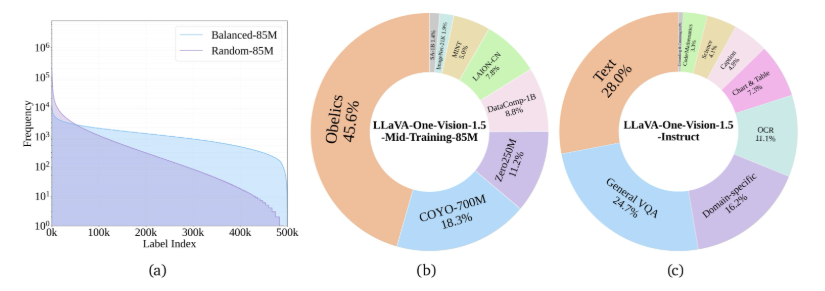
  2. High-quality knowledge learning: Trains on 85 million samples to enhance visual and knowledge capabilities
  3. Visual instruction fine-tuning: Specialized training for complex visual instructions
Image

Breakthrough Efficiency Gains

The development team implemented several innovations to optimize training:

  • Offline parallel data packaging achieving an 11:1 compression ratio
  • Complete training cycle accomplished in just 3.7 days
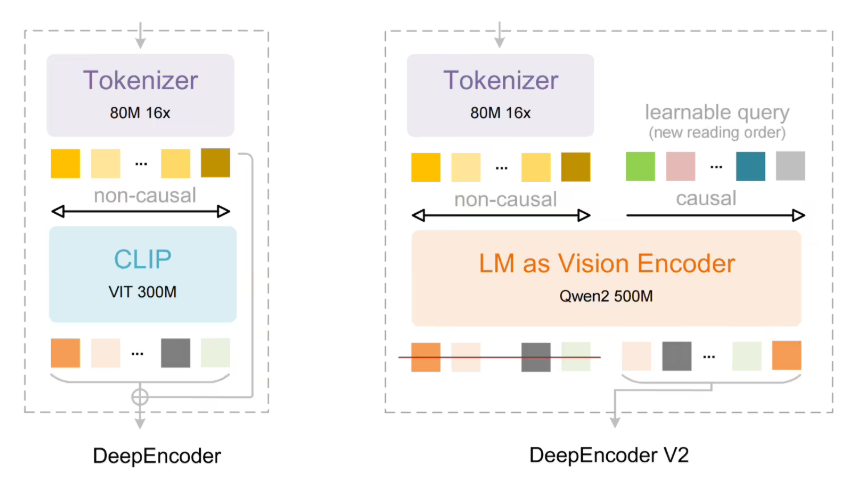
  • Utilizes RICE-ViT as visual encoder for superior document text processing

The model's regional perception capabilities make it particularly effective for tasks requiring detailed visual understanding.
Image

Benchmark Dominance

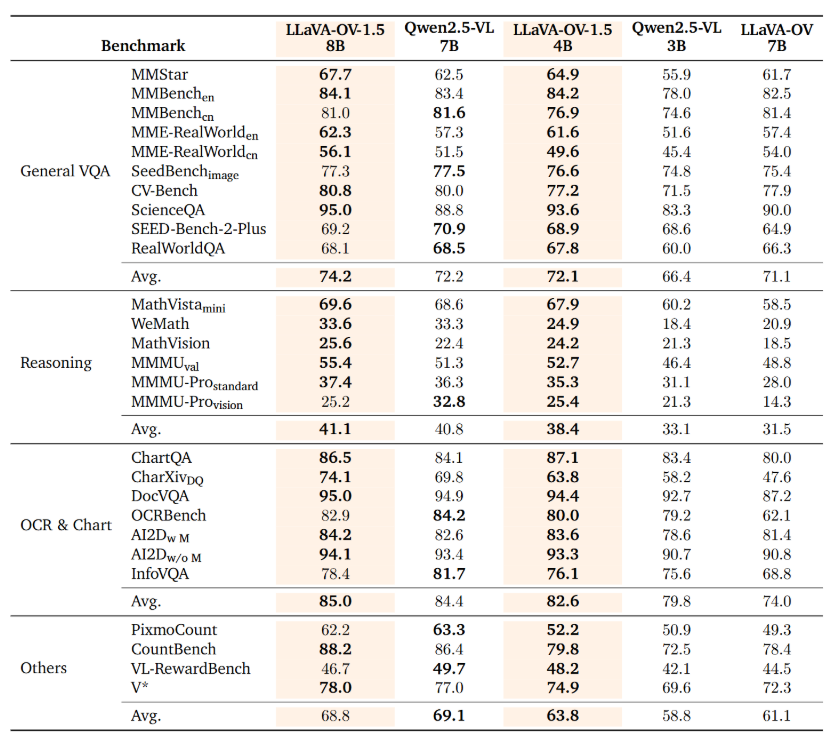
The 8-billion-parameter version demonstrates remarkable performance:

  • Outperforms Qwen2.5-VL across 27 different benchmarks
  • Employs "concept-balanced" sampling strategy for consistent task performance
  • Processes diverse input types including images, videos, and documents

The project maintains full transparency with resources available on GitHub and Hugging Face.

Key Points:

✅ Fully open-source multimodal architecture surpassing proprietary alternatives
✅ Revolutionary three-phase training methodology
✅ Unprecedented efficiency gains through innovative data handling
✅ Benchmark-proven superiority over competing models
Enjoyed this article?

Subscribe to our newsletter for the latest AI news, product reviews, and project recommendations delivered to your inbox weekly.

Weekly digestFree foreverUnsubscribe anytime

Related Articles

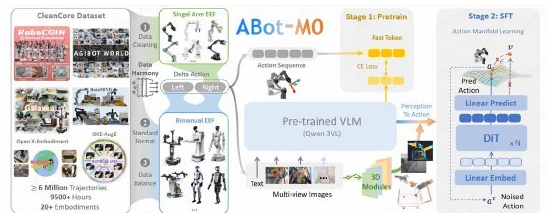
Gaode's ABot-M0 Gives Robots a Universal Brain
News

Gaode's ABot-M0 Gives Robots a Universal Brain

In a major leap for robotics, Gaode has open-sourced ABot-M0, the world's first unified architecture for robot intelligence. This 'universal brain' outperforms previous models by 30% on key benchmarks, while its complete open-source package—including algorithms and training data—could revolutionize how we develop smart robots for homes and industries.

April 1, 2026
roboticsAIopen-source
Microsoft's VibeVoice AI Brings Human-Like Speech to Open Source
News

Microsoft's VibeVoice AI Brings Human-Like Speech to Open Source

Microsoft has released VibeVoice, a powerful open-source speech AI family that's turning heads in the developer community. These models can handle marathon audio sessions - up to 90 minutes of multi-speaker dialogue in one go - while maintaining natural flow and emotion. The project, which racked up 27,000 GitHub stars in no time, offers everything from accurate transcription to expressive voice generation. What makes it special? Local deployment without cloud fees, support for multiple speakers, and real-time capabilities that could revolutionize how we interact with voice technology.

March 30, 2026
speech-recognitionmicrosoftopen-source
Ant Group's Robotics Leap: Open-Source AI Model Boosts Robot Intelligence
News

Ant Group's Robotics Leap: Open-Source AI Model Boosts Robot Intelligence

Ant Group's Lingbo Technology has made its embodied intelligence model LingBot-VLA fully open-source, marking a significant advancement in robotics. The model demonstrates remarkable cross-platform adaptability and training efficiency, outperforming existing frameworks. Alongside this release, their new LingBot-Depth spatial perception model enhances 3D environmental understanding for robots and autonomous vehicles. These developments could accelerate smart robotics adoption across industries.

January 28, 2026
roboticsAI innovationAnt Group
Tencent's Hunyuan Image 3.0 Goes Open-Source: A Game-Changer for AI Creativity
News

Tencent's Hunyuan Image 3.0 Goes Open-Source: A Game-Changer for AI Creativity

Tencent has made waves in the AI community by open-sourcing its powerful Hunyuan Image 3.0 model. With an impressive 80 billion parameters, this image-to-image tool ranks among the world's best, offering everything from meme creation to professional design enhancements. The company is putting its full weight behind the open-source movement, making both standard and lightweight versions available to developers worldwide.

January 28, 2026
AI creativityopen-sourceimage editing
DeepSeek's New OCR Model Reads Documents Like Humans Do
News

DeepSeek's New OCR Model Reads Documents Like Humans Do

DeepSeek has unveiled its groundbreaking DeepSeek-OCR2, revolutionizing how machines understand documents. Unlike traditional models that scan pages mechanically, this AI mimics human reading patterns by dynamically adjusting its processing order based on content meaning. Early tests show impressive 3.7% accuracy gains while maintaining efficiency - a potential game-changer for handling complex reports, forms, and technical documents.

January 27, 2026
OCRAIdocument-processing
Curl pulls plug on bug bounty program amid AI-generated report flood
News

Curl pulls plug on bug bounty program amid AI-generated report flood

The widely-used command line tool curl is shutting down its vulnerability reward program after being overwhelmed by low-quality AI-generated reports. Founder Daniel Stenberg says these 'AI slop' submissions sound professional but offer no real value, instead draining developers' time. Starting February 2026, curl will no longer pay for bug reports and warns that spam submitters may face public shaming.

January 23, 2026
open-sourceAI-challengescybersecurity