iQIYI CEO Reveals Plan to Empower Creators Through AI-Driven Platform Shift

iQIYI Bets Big on Creator Economy with AI-Powered Platform Overhaul

Streaming platform iQIYI is making a radical pivot toward creator empowerment, CEO Gong Yu announced during his keynote at today's iQIYI World Conference. The Chinese video giant plans to leverage artificial intelligence to fundamentally restructure how content gets made and distributed on its platform.

"We're moving from being a gatekeeper to being a facilitator," Gong told attendees. "The AI revolution means we can now support hundreds of times more creators than traditional production models allow."

Democratizing Content Creation

The core of iQIYI's strategy involves dismantling centralized decision-making processes that currently determine which shows get made. Instead, the platform will introduce tools allowing independent creators to:

  • Directly upload AI-assisted productions
  • Bypass traditional pitching processes
  • Earn revenue through memberships and advertising

Gong demonstrated how AI is already cutting production timelines by 60-80% for certain content types. "What used to take months can now be done in weeks," he noted, showing before-and-after examples from recent pilot projects.

The Hybrid Talent Imperative

While emphasizing iQIYI's continued investment in premium originals, Gong made an impassioned plea for "artists who speak Python and poets who understand prompts." The company plans to:

  • Launch an AI creator accelerator program
  • Develop new monetization models
  • Build tools that maintain artistic control while leveraging AI efficiencies

"We're not just looking for great AI technicians or great filmmakers," Gong stressed. "We need people who can be both."

Industry-Wide Implications

The announcement comes as streaming platforms globally grapple with AI's disruptive potential. Gong predicted "more change in the next 36 months than we've seen in the past decade" for long-form video production.

iQIYI's gamble? That decentralizing creation while maintaining quality control will position them as the platform of choice for both established and emerging talent in the AI era.

Key Points:

  • iQIYI transitioning to creator-first platform model
  • AI expected to dramatically increase content output
  • New hybrid creator roles combining tech/artistic skills
  • Major industry shifts anticipated within 1-3 years
  • Platform tools to balance creative freedom with quality
Enjoyed this article?

Subscribe to our newsletter for the latest AI news, product reviews, and project recommendations delivered to your inbox weekly.

Weekly digestFree foreverUnsubscribe anytime

Related Articles

News

OpenClaw Founder Predicts 2026 as the Dawn of True AI Assistants

The founder of open-source AI project OpenClaw has made waves by declaring 2026 the year when AI transforms from simple chatbots into capable digital colleagues. These 'general AI agents' could soon handle complex workflows, manage schedules, and operate software independently - potentially reshaping how we work. While the technology shows promise, experts are grappling with crucial questions about security and ethical boundaries as AI gains more autonomy.

March 31, 2026
AI evolutionFuture of workDigital transformation
The Internet's New Normal: AI Now Generates Most Web Traffic
News

The Internet's New Normal: AI Now Generates Most Web Traffic

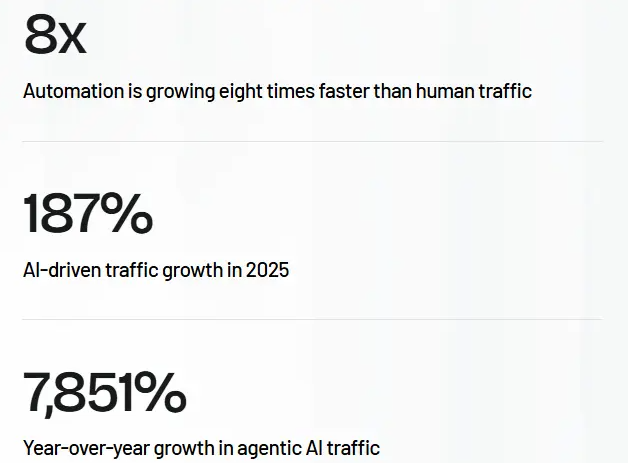
A startling new report reveals AI-generated traffic is growing eight times faster than human activity online. Automated systems now dominate interactions in retail, media, and tourism sectors, while cyber threats surge alongside this robotic takeover. Experts warn we're witnessing the end of the internet's founding assumption - that there's always a human on the other side of the screen.

March 30, 2026
AI trendsCybersecurityDigital transformation
News

Hao Lei's Stark Warning: AI Threatens to Replace Most Actors

Chinese actress Hao Lei has sparked intense debate by predicting AI could replace 90% of actors, citing the industry's over-reliance on mediocre performances. While acknowledging AI's advantages in standardized roles, she argues true artistry requires irreplaceable human experience. The comments have divided opinion, with some welcoming technological disruption and others fearing the loss of emotional authenticity in entertainment.

March 27, 2026
AI in entertainmentChinese film industryacting technology
Yu Zheng: Why AI Can't Replace the Human Touch in Acting
News

Yu Zheng: Why AI Can't Replace the Human Touch in Acting

As AI actors trend online, famed director Yu Zheng makes a passionate case for human performers. While digital actors excel at stunts and cut costs, they struggle to replicate the emotional depth that connects audiences to stories. This debate highlights the growing tension between technological efficiency and artistic authenticity in filmmaking.

March 18, 2026
AI in entertainmentFilm technologyActing craft
Alibaba's New AI Brings Movie Characters to Life with Perfect Lip Sync
News

Alibaba's New AI Brings Movie Characters to Life with Perfect Lip Sync

Alibaba's Tongyi Lab has unveiled Fun-CineForge, an open-source voice synthesis model that solves Hollywood's toughest AI challenge - making digital voices match actors' lips perfectly. The breakthrough technology handles complex scenes with multiple characters, camera cuts, and obscured faces while maintaining emotional authenticity. Alongside the model, researchers released CineDub, an innovative dataset creation method that slashes production costs.

March 16, 2026
voice synthesisAI in entertainmentmultimodal AI
News

Nadella's Wake-Up Call: AI Won't Take Your Job – But Someone Who Uses It Might

Microsoft CEO Satya Nadella delivers a sobering message about AI's impact on careers. While acknowledging inevitable job disruptions, he argues the real danger lies in resisting skill upgrades. Nadella draws parallels to the PC revolution, emphasizing that understanding AI tools has become today's career lifeline. The article explores how AI lowers technical barriers while raising expertise demands, and why continuous learning separates future winners from obsolete professionals.

March 10, 2026
AI workforceFuture of workCareer development