Investor's Spotify Snub Backfires on Suno in Copyright Battle

Investor's Spotify Comments Haunt AI Music Startup

Suno, the rising star in AI-generated music, just learned the hard way that even supporters can become liabilities. The company found itself in hot water after an investor's social media post inadvertently undermined its legal defense against major record labels.

The controversy stems from a class-action lawsuit accusing Suno of using copyrighted songs to train its AI models without permission. CEO Mikey Shulman has maintained the company's actions fall under "fair use," arguing that AI-created music represents transformative new art rather than direct competition with human artists.

"We're opening doors to unprecedented musical creativity," Shulman recently told reporters. "Our technology complements human artistry rather than replacing it."

The Tweet That Started It All

The carefully crafted legal strategy hit a sour note when Menlo Ventures' C.C. Gong took to X (formerly Twitter) with some surprisingly candid thoughts. Frustrated by Spotify's recommendation algorithms, Gong wrote: "I've practically stopped using Spotify altogether - Suno's personalized creations are just more attuned to my tastes."

She praised Suno for unlocking "endless long-tail music" that caters to highly specific preferences. While meant as praise, the comments landed like a lead balloon in legal circles.

Why This Matters

Copyright expert Ed Newton-Rex quickly pointed out the problem: Gong essentially admitted that Suno's service directly replaces traditional music platforms. This contradicts Suno's key argument that its product doesn't compete with existing music markets - a crucial factor in fair use determinations.

"When your own investors say they're ditching Spotify for your product, it's hard to claim you're not affecting the original market," Newton-Rex observed. The post was later deleted, but screenshots had already spread across legal and tech circles.

Bigger Implications

The gaffe highlights growing tensions between AI companies and content creators:

  • Transparency challenges: Even careful corporate messaging can be undone by offhand remarks
  • Investor relations: Startups must educate financial backers about sensitive legal positions
  • Industry disruption: Comments like Gong's fuel fears about AI completely replacing human creative work

While one tweet won't decide the lawsuit, it certainly gave plaintiffs fresh ammunition. As one industry insider put it: "This is why you don't let your investors tweet without a lawyer present."

Key Points:

  • Suno faces lawsuits over alleged unauthorized use of copyrighted music for AI training
  • Investor comments contradicted company's "no market harm" fair use defense
  • Legal experts say such admissions could weaken case outcomes
  • Incident reveals broader concerns about AI displacing traditional creative industries
Enjoyed this article?

Subscribe to our newsletter for the latest AI news, product reviews, and project recommendations delivered to your inbox weekly.

Weekly digestFree foreverUnsubscribe anytime

Related Articles

News

Suno's AI Music Platform Hits 2 Million Subscribers, Nears $300M Revenue

The AI music revolution is hitting high notes as Suno announces crossing 2 million paid subscribers and nearing $300 million in annual revenue. This explosive growth comes just three months after their last funding round, showing how quickly AI-generated music is being embraced. While transforming amateur poets into chart-topping artists, Suno faces copyright challenges but recently secured a landmark deal with Warner Music Group.

February 28, 2026
AI musicSunomusic technology
News

Google's Lyria 3 Turns Images Into Music – With Built-In Copyright Protection

Google DeepMind unveils Lyria 3, its most advanced AI music generator yet. The model crafts 30-second tracks from text, images or videos across multiple languages while tackling copyright concerns head-on with watermarking tech. Though currently focused on short-form content, it gives creators unprecedented control over beats, lyrics and vocal styles.

February 22, 2026
AI musicGoogle DeepMindcreative tools
Google DeepMind's Lyria 3 Turns Anyone Into a Music Composer
News

Google DeepMind's Lyria 3 Turns Anyone Into a Music Composer

Google DeepMind unveils Lyria 3, its latest AI music generator that lets anyone create original songs with just words, images or videos. While currently limited to 30-second non-commercial tracks, this free tool opens up music creation to people without any musical training. The model understands prompts like 'cheerful reggae for a beach party' and generates complete songs with vocals and instruments.

February 19, 2026
AI musicGoogle DeepMindcreative tools
MiniMax Music 2.5 Hits the Right Notes with Breakthrough AI Control
News

MiniMax Music 2.5 Hits the Right Notes with Breakthrough AI Control

MiniMax's latest AI music generator tackles two persistent challenges in synthetic audio: precise creative control and lifelike authenticity. Version 2.5 introduces paragraph-level composition tools and studio-quality vocal realism, particularly optimized for Chinese pop and rap styles. The update promises to put Grammy-level production within reach of everyday creators.

January 29, 2026
AI musicmusic technologydigital audio
Kunlun Tian Gong's Mureka V8 Takes AI Music from Drafts to Radio-Ready Tracks
News

Kunlun Tian Gong's Mureka V8 Takes AI Music from Drafts to Radio-Ready Tracks

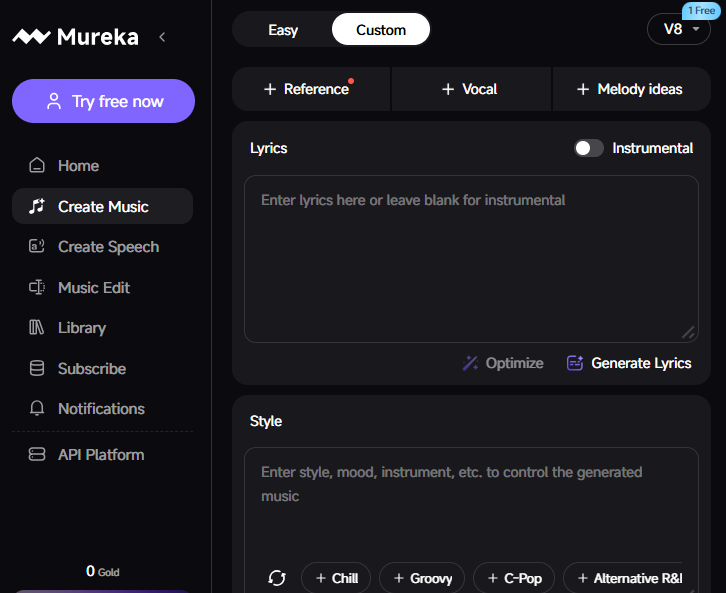
Kunlun Tian Gong's latest AI music model, Mureka V8, marks a significant leap forward in artificial intelligence composition. Moving beyond simple sound generation, this upgrade delivers professional-grade musicality with catchy melodies, emotionally expressive vocals, and rich arrangements. The technology now supports creators through the entire production process - from initial inspiration to polished tracks ready for release.

January 29, 2026
AI musicmusic technologycreative AI
News

YouTubers Sue Snap Over AI Training Data Scraping

A group of prominent YouTubers has filed a class-action lawsuit against Snap, alleging the company illegally used their video content to train AI models. The creators claim Snap bypassed YouTube's restrictions to use academic datasets for commercial purposes. This case joins over 70 similar lawsuits against tech companies as content creators push back against unauthorized use of their work for AI training.

January 27, 2026
AI ethicscopyright lawsocial media