
YouTubers Sue Snap Over AI Training Data Scraping

YouTubers Take Legal Action Against Snap Over AI Training Practices

Social media giant Snap finds itself in hot water as popular YouTubers band together to challenge the company's AI training methods. The lawsuit, filed in California federal court, accuses Snap of scraping video content without permission to power its artificial intelligence features.

The Heart of the Controversy

The legal battle centers around claims that Snap used a massive video-language dataset called HD-VILA-100M to train tools like its Imagine Lens feature. What makes this particularly contentious? The plaintiffs argue these datasets were meant for academic research only - not commercial applications.

"This isn't just about copyright," explains legal analyst Mark Reynolds. "It's about whether tech companies can freely repurpose creative work that took years to produce, all in service of their AI ambitions."

Who's Behind the Lawsuit?

The case is spearheaded by YouTube channel h3h3 (with over 5.5 million subscribers) along with other creators representing approximately 6.2 million subscribers collectively. Their complaint details how Snap allegedly circumvented YouTube's technical protections and licensing agreements.

A Growing Trend in Tech Litigation

This isn't an isolated incident. According to the Copyright Alliance, more than 70 similar cases have been filed globally against AI companies. The outcomes vary - while Anthropic settled with authors, some lawsuits against Meta have favored the tech giants.

What makes this case stand out? It represents video creators joining authors, artists and publishers in demanding compensation for AI training use. "Creators are waking up," says digital rights advocate Sarah Chen. "They're realizing their content has become valuable training data, and they want a say in how it's used."

Meanwhile at Meta...

As Snap deals with legal challenges, competitor Meta is testing premium subscription features across Instagram, Facebook and WhatsApp. The paid tier promises advanced AI tools and exclusive features - a clear nod to Snapchat+'s success with its 16 million subscribers.

Key Points:

  • Lawsuit Details: YouTubers allege unauthorized use of content for commercial AI training
  • Dataset Controversy: HD-VILA-100M was reportedly limited to academic use only
  • Legal Landscape: Over 70 similar cases filed against AI companies globally
  • Industry Impact: Case highlights growing tension between creators and tech platforms over AI development
Enjoyed this article?

Subscribe to our newsletter for the latest AI news, product reviews, and project recommendations delivered to your inbox weekly.

Weekly digestFree foreverUnsubscribe anytime

Related Articles

News

Short Drama Platform Cracks Down on AI-Generated Content After 'Face-Stealing' Scandal

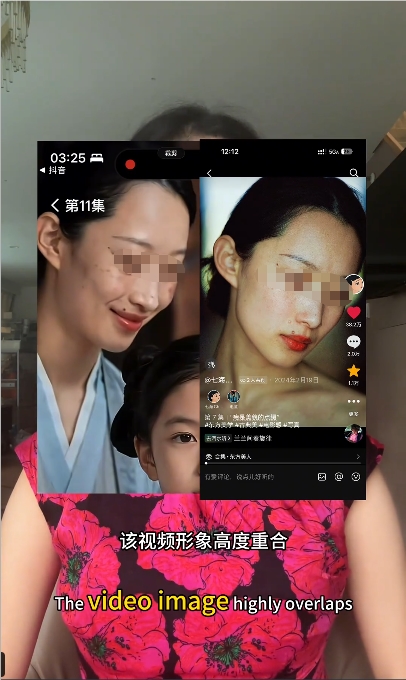
Hongguo Short Drama has pulled the AI-produced series 'The Peach Hairpin' after creators allegedly used bloggers' faces without permission. The production company faces a 15-day suspension for failing to prove proper authorization during the platform's review period. This case highlights growing concerns about image rights in AI-generated content, with experts emphasizing that recognizable likenesses - regardless of how they're created - can constitute infringement.

April 3, 2026
AI ethicsdigital rightsshort video platforms
News

WeChat Cracks Down on AI-Altered Videos, Removes 3,800 Clips

WeChat has intensified its crackdown on AI-modified videos that distort classic works and historical figures. The platform removed 3,800 violating clips and banned one account after finding content that twisted TV dramas, animated characters, and historical narratives. This move follows national guidelines to protect minors and maintain online order. WeChat urges creators to exercise self-discipline as it enhances its content moderation capabilities.

April 2, 2026
content moderationAI ethicsdigital safety
News

Zhou Shen Takes a Stand: New Song Blocks AI Voice Cloning

Chinese singer Zhou Shen has made waves by embedding a bold copyright notice in his latest release 'Moon Chronicle.' The track explicitly prohibits AI training and voice cloning, setting a new precedent for artist rights in the digital age. This move comes as musicians worldwide grapple with the ethical dilemmas posed by AI-generated music. Industry experts see this as a landmark case that could shape future copyright standards for human-AI collaboration in creative fields.

April 2, 2026
AI ethicsmusic copyrightvoice cloning
Model's Face Stolen by AI in Controversial Drama
News

Model's Face Stolen by AI in Controversial Drama

Fashion model Qihai Christ is fighting back after discovering her likeness was digitally inserted into a villain role in the popular short drama 'Peach Hairpin' without her consent. The unauthorized AI face-swapping has damaged her professional reputation and sparked legal action. This case highlights growing concerns about the ethical use of deepfake technology in entertainment.

April 2, 2026
AI ethicsdigital rightsentertainment law
News

AI Drama Faces Backlash Over Alleged Face Theft from Public Photos

A Red Fruit short drama is under fire for allegedly using AI to steal ordinary people's faces without consent. The controversy erupted when a social media user recognized their photo being used in the production. Industry experts warn this highlights growing legal gray areas as AI technology outpaces regulation, with many celebrities also falling victim to unauthorized face-swapping videos.

March 31, 2026
AI ethicsDigital rightsEntertainment law
News

OpenClaw Founder Predicts 2026 as the Dawn of True AI Assistants

The founder of open-source AI project OpenClaw has made waves by declaring 2026 the year when AI transforms from simple chatbots into capable digital colleagues. These 'general AI agents' could soon handle complex workflows, manage schedules, and operate software independently - potentially reshaping how we work. While the technology shows promise, experts are grappling with crucial questions about security and ethical boundaries as AI gains more autonomy.

March 31, 2026
AI evolutionFuture of workDigital transformation