IBM's Granite 4.0 Speech Model: Smaller, Smarter, Faster

IBM Raises the Bar With Compact Voice AI Model
Image

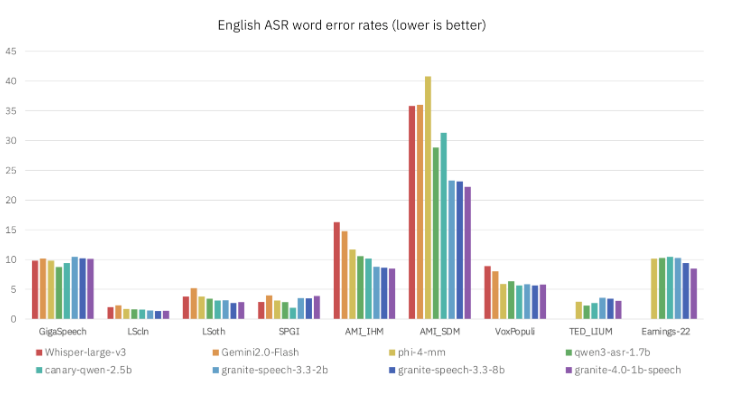
In a move that could reshape how businesses handle multilingual communication, IBM has introduced Granite 4.0 1B Speech, its latest breakthrough in speech recognition technology. What makes this release special? The tech giant managed to shrink the model's size while boosting its capabilities – a rare feat in the AI world.

Leaner Design, Sharper Performance

The new iteration comes with half the parameters of previous versions yet delivers noticeable improvements across key metrics. Imagine getting better results while using fewer resources – that's precisely what IBM achieved here. The model now supports Japanese speech recognition and introduces clever features like keyword bias adjustment.

English transcription accuracy saw particularly impressive gains. "We focused on making every parameter count," explains Dr. Sarah Chen, lead researcher on the project. "The result is a model that doesn't just perform better – it does so more efficiently."

How It Works: A Two-Stage Approach

The secret sauce lies in Granite's innovative architecture:

  1. Audio-to-text conversion happens first
  2. The text then flows through IBM's specialized Granite language model

This modular setup gives developers flexibility to tailor the system to their needs. Need just transcription? Use stage one. Want full translation? Engage both components.

Currently supporting six major languages (English, French, German, Spanish, Portuguese, and Japanese), Granite shines particularly bright handling English-to-Mandarin Chinese translations.

Performance That Speaks Volumes

The numbers tell an impressive story:

  • Top ranking on OpenASR's leaderboard
  • Just 5.52% average word error rate
  • Significant reductions in memory usage and processing delays

"What excites me most is seeing enterprise-grade AI become accessible," notes tech analyst Mark Williams. "With models like this running smoothly on edge devices, we're removing barriers to adoption."

IBM has open-sourced Granite under Apache 2.0 license, inviting developers to experiment with frameworks like Transformers or vLLM for local deployment.

Key Points:

  • 50% smaller than previous versions with improved accuracy
  • Supports six languages, including new Japanese capability
  • Innovative two-stage processing enables flexible implementation
  • Achieves record-low 5.52% word error rate
  • Available as open-source via Hugging Face

Enjoyed this article?

Subscribe to our newsletter for the latest AI news, product reviews, and project recommendations delivered to your inbox weekly.

Weekly digestFree foreverUnsubscribe anytime

Related Articles

News

Chinese AI Models Gain Global Edge as Usage Surges Past US Competitors

China's AI models have outpaced their US counterparts in weekly usage, marking a significant shift in the global AI landscape. Leading Chinese models MiniMax M2.5, Stephen Star Step3.5Flash, and DeepSeek V3.2 dominate the rankings, while newcomer Hunter Alpha makes an impressive debut with specialized agent capabilities.

March 16, 2026
AI TrendsChinese TechLanguage Models
Apple's Siri Gets a Major Upgrade with Gemini Integration in 2026
News

Apple's Siri Gets a Major Upgrade with Gemini Integration in 2026

Apple is set to unveil a completely revamped version of Siri at WWDC 2026, codenamed 'Campo'. This major overhaul will integrate Google's Gemini AI model into Apple's ecosystem, promising more natural conversations and smarter responses. The update comes with a sleek new 'Liquid Glass' interface and will roll out across all Apple devices simultaneously. With a reported $1 billion annual investment, this marks Apple's biggest push yet into conversational AI.

March 16, 2026
AppleAI AssistantsGoogle Gemini
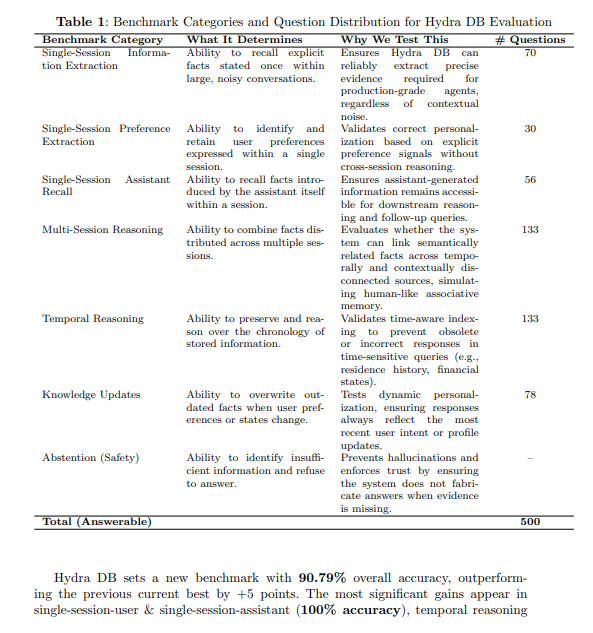
HydraDB Raises $6.5M to Fix AI's Memory Problem
News

HydraDB Raises $6.5M to Fix AI's Memory Problem

HydraDB, a startup tackling AI's memory limitations, just secured $6.5 million in funding. Their solution promises to solve a critical flaw in current systems where 'similar' doesn't mean 'relevant.' By adopting a relationship graph approach inspired by human memory and Git version control, HydraDB aims to make AI conversations more accurate and context-aware. This could transform how personal assistants and enterprise systems handle information.

March 16, 2026
AI memoryVector databasesMachine learning
News

Ant Lingbo and Leju Robotics Join Forces to Advance Robot Intelligence

Shanghai's Ant Lingbo and Shenzhen-based Leju Robotics have formed a strategic partnership to accelerate the development of embodied AI robots. The collaboration combines Ant Lingbo's expertise in large language models with Leju's robotic hardware capabilities, aiming to create smarter machines that can better understand and interact with their environments. Their joint efforts could significantly advance how robots learn and perform tasks across different industries.

March 16, 2026
RoboticsArtificial IntelligenceTech Partnerships
News

India's AI Guardians Protect Elephants from Train Collisions

India is deploying smart technology to prevent tragic encounters between elephants and trains. Thermal cameras and acoustic sensors now detect pachyderm movements near railway tracks, triggering automatic alerts that help trains slow down in time. Alongside these high-tech solutions, physical barriers are being erected along key migration routes.

March 16, 2026
Wildlife ConservationRail SafetyAI Monitoring
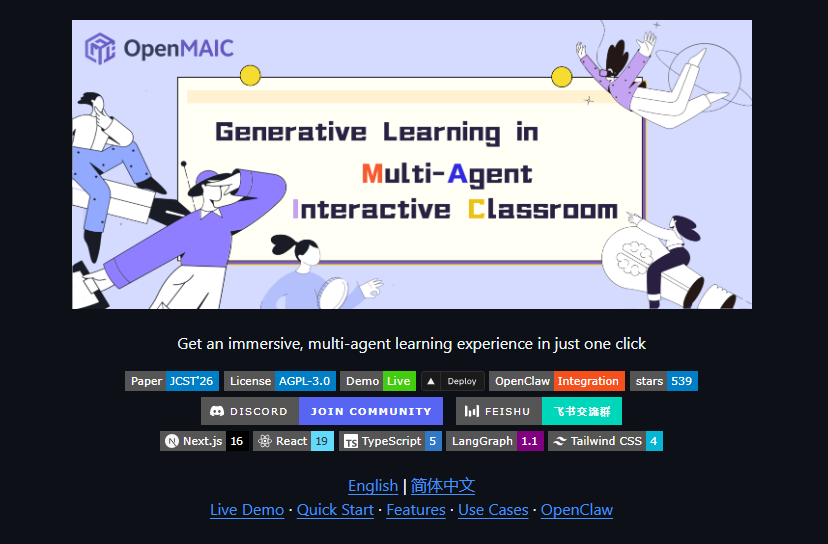
Tsinghua's AI Classroom Breakthrough Brings Learning to Life
News

Tsinghua's AI Classroom Breakthrough Brings Learning to Life

Tsinghua University researchers have unveiled OpenMAIC, an innovative platform that transforms any subject into a dynamic virtual classroom. This open-source project uses multiple AI agents to simulate teachers, assistants, and classmates - creating surprisingly lifelike educational interactions. With features like automatic lesson generation and adaptive learning, it promises to make quality education more accessible worldwide.

March 16, 2026
AI educationvirtual learningopen source