How a Lobster Emoji Sparked an AI Revolution

The Lobster AI Craze Sweeping China's Tech Scene

Picture this: tech enthusiasts gathering at Tencent's headquarters not to discuss the latest smartphone, but to learn how to "raise lobsters." No, we're not talking about aquaculture—this is the bizarre new lingo for deploying OpenClaw, the open-source AI agent that's become China's latest tech obsession.

Why Everyone Wants a Digital Lobster

The lobster metaphor stuck because of OpenClaw's official red crustacean logo. But what's got developers hooked is its ability to run locally while remembering past interactions—a rare combination in today's cloud-dependent AI landscape. Meituan data shows searches for the platform tripled in just weeks as professionals realized they could integrate it directly into their daily workflows.

"It's like having a supercharged assistant that actually learns your habits," explains one Shenzhen-based developer who asked not to be named. "Unlike chatbot tools that reset with each conversation, this one builds institutional knowledge over time."

Security Concerns Surface Amid Boom

The Ministry of Industry and Information Technology recently sounded alarms about OpenClaw's default security settings. Their warning highlighted how improperly configured instances could become gateways for data breaches—a serious concern given the tool's access to sensitive work documents.

Just as these concerns emerged, chip manufacturer Rockchip made a strategic play. The company confirmed its RK3588 processors are fully optimized for OpenClaw deployment, offering both performance and enhanced local data protection. "This changes the game for businesses wanting AI capabilities without cloud vulnerabilities," notes tech analyst Li Wei.

Government Bets on Lobster Tech

Shenzhen's Longgang District isn't just watching this trend—it's investing heavily. Proposed subsidies of up to 2 million yuan aim to establish specialized OpenClaw development zones, signaling official endorsement of the technology.

From its humble beginnings as an open-source project to becoming a potential cornerstone of China's AI infrastructure, OpenClaw's journey reflects how quickly the tech landscape evolves. That little red lobster icon might just become the symbol of workplace transformation.

Key Points:

  • Viral Adoption: OpenClaw usage surges 300% as professionals embrace its local processing capabilities
  • Security Warnings: Regulators flag potential vulnerabilities in default configurations
  • Hardware Race: Rockchip positions its chips as ideal for secure OpenClaw deployment
  • Government Support: Shenzhen considers major subsidies to foster OpenClaw ecosystem development
Enjoyed this article?

Subscribe to our newsletter for the latest AI news, product reviews, and project recommendations delivered to your inbox weekly.

Weekly digestFree foreverUnsubscribe anytime

Related Articles

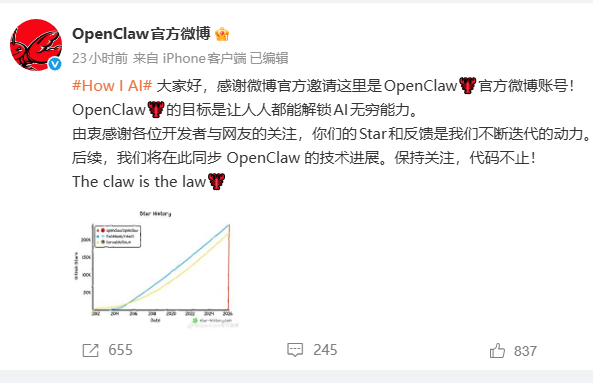
OpenClaw Founder Denies Fake Chinese Social Media Accounts
News

OpenClaw Founder Denies Fake Chinese Social Media Accounts

Peter Steinberger, founder of the popular OpenClaw AI project, has publicly denied operating any official accounts on Chinese platforms like Weibo or Bilibili. The revelation comes after verified 'OpenClaw' accounts appeared online and interacted with major AI companies. Dubbed 'Lobster' by fans for its local operation capabilities, OpenClaw's sudden popularity highlights both the project's growing influence and vulnerabilities in platform verification systems.

March 9, 2026
OpenClawAIsecurityVerificationFraud
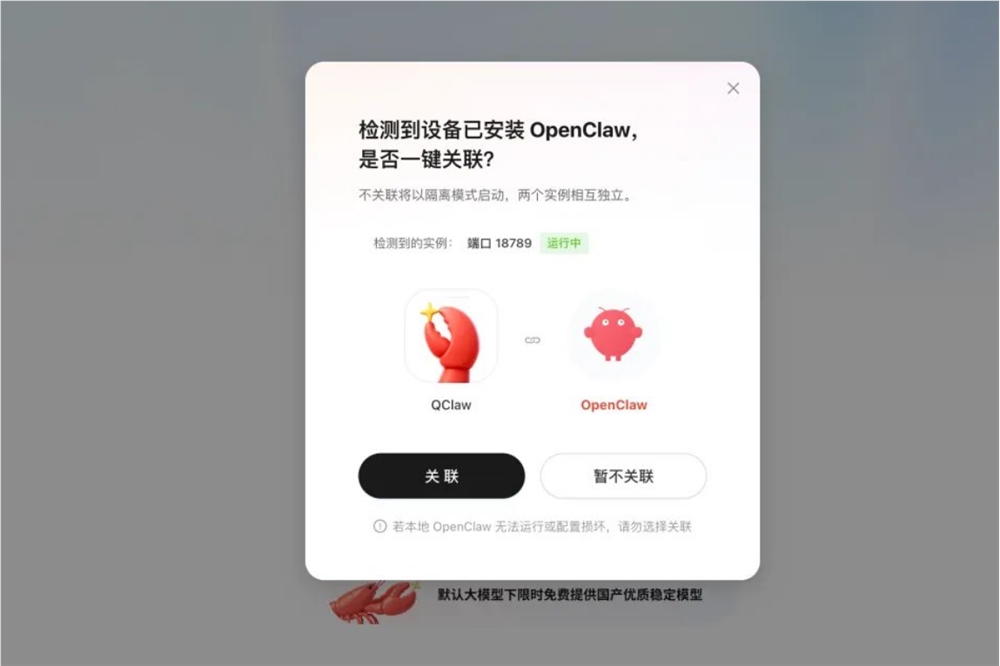
Tencent's QClaw Set to Simplify AI Agent Access Through WeChat and QQ
News

Tencent's QClaw Set to Simplify AI Agent Access Through WeChat and QQ

Tencent is reportedly testing QClaw, a user-friendly package that simplifies access to OpenClaw's intelligent agent framework. This tool allows seamless integration with both WeChat and QQ, eliminating technical hurdles for everyday users. While not officially confirmed, insider sources suggest the product is nearing launch, marking Tencent's strategic push into accessible AI solutions.

March 9, 2026
TencentAI AgentsOpenClaw
Developer Craze: OpenClaw 'Prawn' AI Agent Draws Crowds at Tencent HQ
News

Developer Craze: OpenClaw 'Prawn' AI Agent Draws Crowds at Tencent HQ

A quirky AI tool called OpenClaw, nicknamed 'Lobster' by developers for its claw-like icon, has taken the tech world by storm. Major cloud providers like Tencent and Alibaba are racing to simplify its deployment as queues form outside Tencent's headquarters for installation help. This marks a shift from simple AI chatbots to powerful agents that can execute tasks through messaging commands.

March 6, 2026
OpenClawAI AgentsCloud Computing
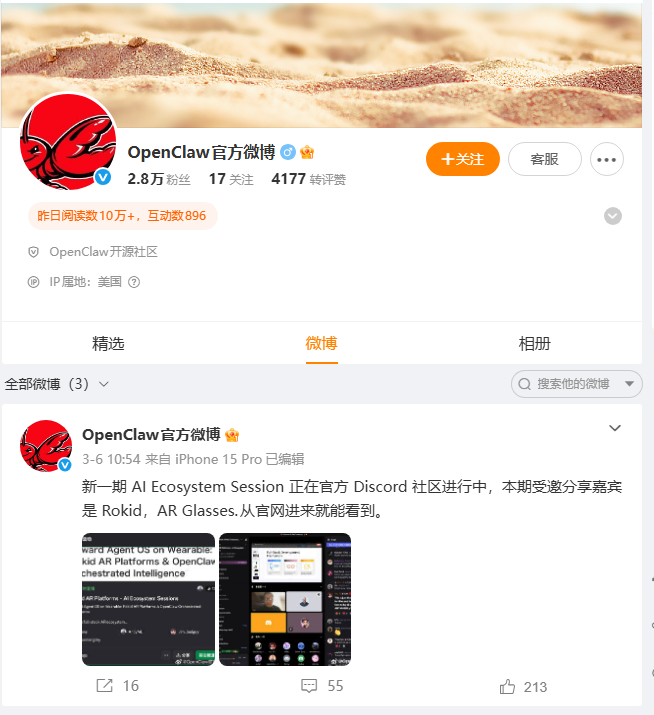
OpenClaw Makes Social Media Debut, Sparking Buzz Among China's AI Giants
News

OpenClaw Makes Social Media Debut, Sparking Buzz Among China's AI Giants

The open-source AI project OpenClaw has officially launched its Weibo account, quickly drawing attention from major Chinese tech players like Zhipu and Moonshot. This US-based initiative is reshaping how industrial AI operates in China, moving beyond simple chatbots to tackle complex business challenges. Its rapid rise on GitHub and prominence at MWC2026 signal a new phase in open-source AI development.

March 4, 2026
OpenClawAI DevelopmentTech Innovation
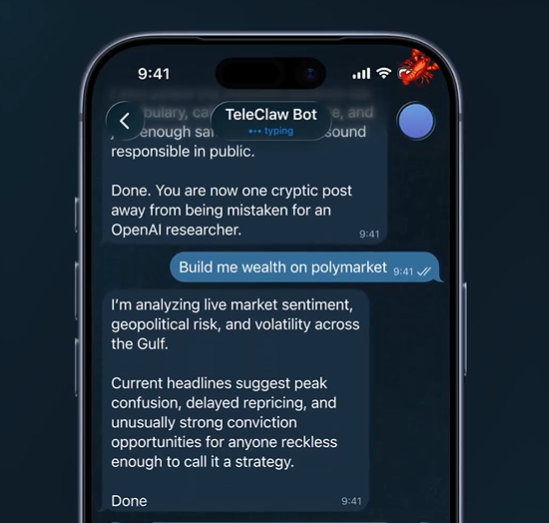
Telegram's Bot API Gets Streaming Upgrade: Chatbots Now Respond Like Humans
News

Telegram's Bot API Gets Streaming Upgrade: Chatbots Now Respond Like Humans

Telegram's latest Bot API 9.5 update brings game-changing streaming capabilities to all chatbots, eliminating the awkward pauses in AI conversations. The update allows bots to display responses gradually as they're generated, much like human typing. OpenClaw leads the charge with immediate compatibility, offering smoother interactions across private chats and groups.

March 3, 2026
TelegramChatbotsAI
News

AI-Powered Greetings Fuel Digital Spring Festival Boom

This year's Lunar New Year saw mobile data traffic surge by nearly 19%, with AI-generated greetings and digital celebrations becoming holiday staples. Telecom giants leveraged artificial intelligence to enhance everything from festive messages to transportation safety during China's busiest travel season.

March 2, 2026
AI trendsdigital transformationtelecom innovation