Developer Craze: OpenClaw 'Prawn' AI Agent Draws Crowds at Tencent HQ
The Lobster Craze: How OpenClaw Became Developers' New Favorite Pet
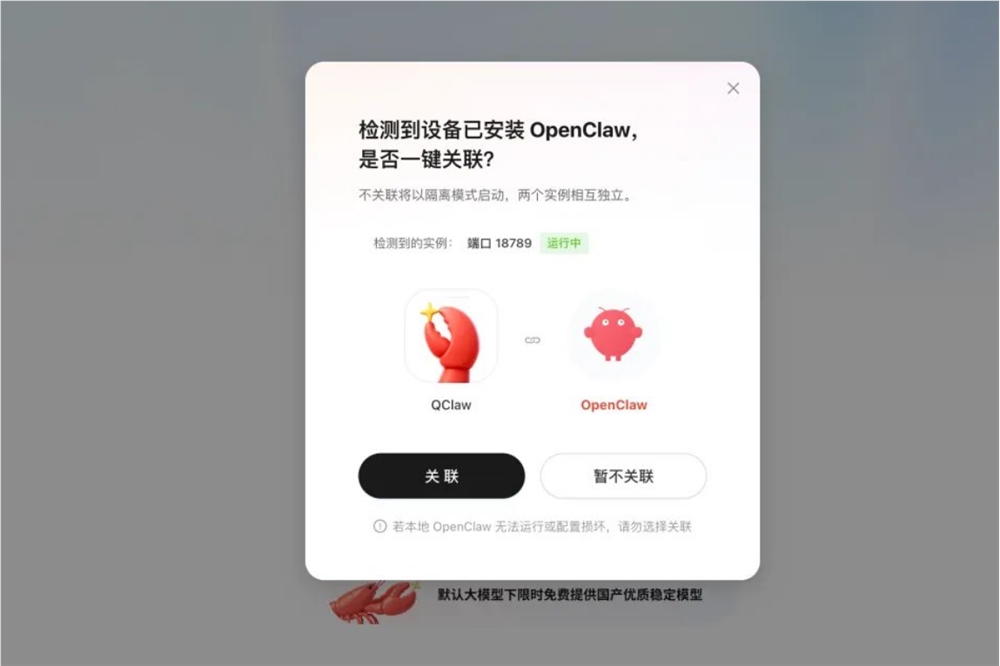
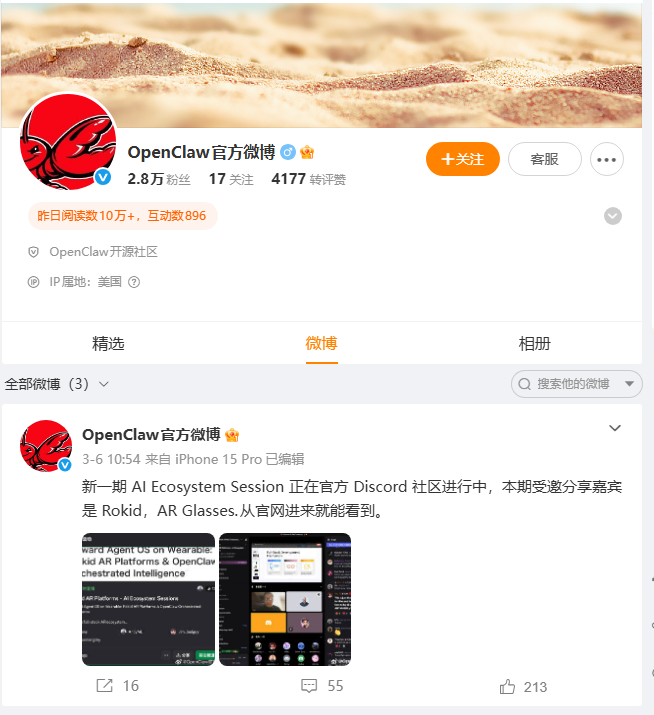
Tech circles are buzzing about OpenClaw, an open-source AI agent tool that's developed an unexpected cult following. Originally named Clawdbot by its Austrian creators, developers quickly dubbed it "Lobster" thanks to its distinctive claw-shaped logo. But this isn't just another chatbot - it's changing how we interact with AI assistants.
Why Developers Are Hooked
The real magic of OpenClaw lies in its ability to actually get things done through simple message commands. Need code generated? Data analyzed? Complex workflows automated? Just ask your "Lobster." Supporting major models like Qwen and Llama, it bridges the gap between conversation and action.
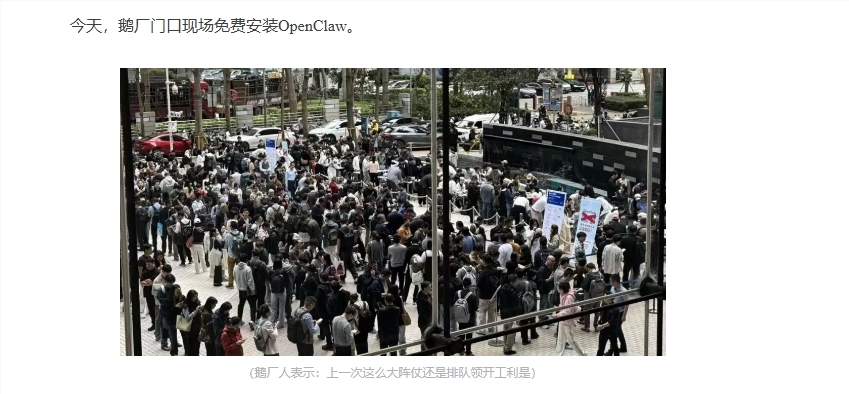
"It's like having a digital assistant that doesn't just talk - it rolls up its sleeves and works," says Shenzhen-based developer Li Wei, who waited two hours at Tencent's installation station.
Cloud Giants Jump In
The demand became undeniable when Tencent Cloud set up pop-up installation booths outside their Shenzhen headquarters. Twenty engineers worked non-stop helping developers deploy OpenClaw, configure models, and integrate messaging channels.
It's not just Tencent either. Alibaba Cloud, JD Cloud, Baidu Intelligent Cloud and others have all launched simplified cloud deployment options. Their goal? To make personal AI assistants accessible beyond just tech experts.
More Than Just a Tool
The secret sauce might be OpenClaw's pet-like training system that keeps users engaged. As cloud providers bake these capabilities into their platforms, we're seeing AI evolve from novelty chatbots to genuine productivity partners.
This isn't just another tech trend - it represents a fundamental shift in how we'll work with artificial intelligence moving forward.
Key Points:
- Nickname Origins: Developers call it "Lobster" due to its claw-shaped icon design
- Real Utility: Executes tasks through messaging commands unlike traditional chatbots
- Major Adoption: All major Chinese cloud providers now offer simplified deployment
- Changing Landscape: Signals move from conversational AI to functional agents