Google's Gemini AI Now Brings Science to Life with 3D Models
Science Learning Gets a 3D Upgrade
Google's Gemini AI just became significantly more hands-on with the introduction of interactive 3D modeling capabilities. Forget static textbook diagrams - students and curious minds can now manipulate virtual representations of everything from molecular structures to planetary orbits simply by chatting with the AI assistant.
From Flat Screens to Immersive Exploration
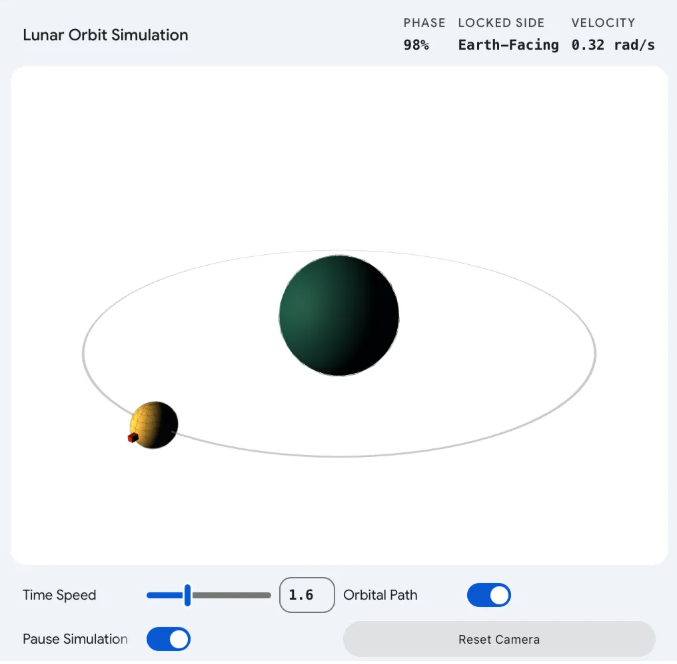
The new feature represents a quantum leap from Gemini's previous text-and-image responses. "We're moving beyond showing to actually letting people experiment," explains a Google spokesperson. Want to understand orbital mechanics? Ask Gemini to demonstrate the moon's path around Earth, then grab the virtual sliders to adjust gravity strength and initial velocity. The system responds instantly, showing how these cosmic forces interact in real-time.
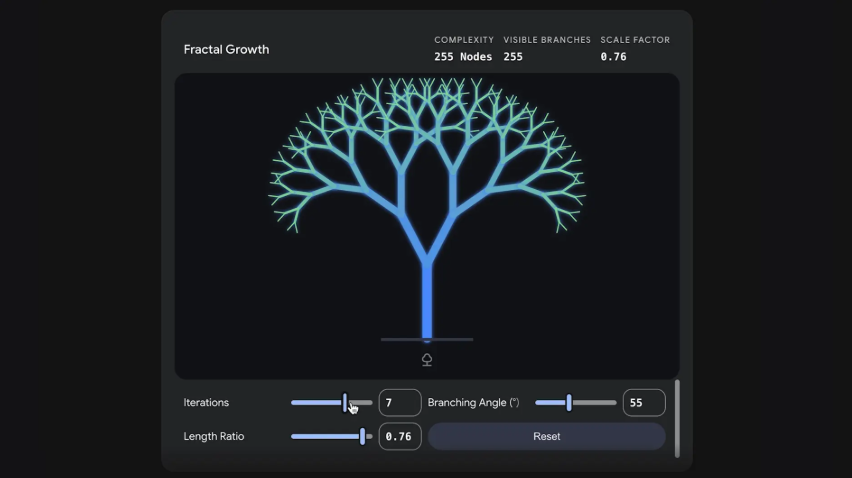
Chemistry students can rotate complex molecules like virtual puzzle pieces, while physics enthusiasts gain an intuitive grasp of wave-particle duality through customizable double-slit experiment simulations. Even abstract mathematical concepts like fractals become tactile when users control branching patterns and growth iterations.
How to Access the Feature
Getting started is refreshingly simple - no coding required. Just phrase your request as if you're asking a helpful tutor:
- "Show me how photosynthesis works in 3D"
- "Help me visualize DNA replication"
- "Demonstrate quantum superposition"
Google recommends using the "Pro" model for best results. The AI then generates interactive models with adjustable parameters, effectively putting a virtual laboratory in your browser tab.
Current Limitations and Future Potential
While the feature is rolling out globally, there's a notable exception: educational institutional accounts and Workspace users can't access it yet. This temporary restriction hints at potential future integrations with classroom tools.
The update builds on Gemini's existing ability to create clickable diagrams across STEM subjects. But these new 3D capabilities add depth - literally - allowing exploration from multiple angles and perspectives that static images could never provide.
Key Points:
- 🌐 Interactive 3D models transform abstract concepts into tangible experiences
- 🔬 Real-time parameter adjustments reveal how scientific systems behave
- 📚 Currently unavailable for school accounts, signaling future education features
- 🛠️ Accessible through natural language prompts in Gemini Pro
- ⏳ Simulations respond instantly to user manipulations