Google's Gemini 3.1 Pro Outshines Rivals with Major AI Leap
Google Raises the Bar with Gemini 3.1 Pro
In what could be a game-changing move for artificial intelligence, Google has officially launched Gemini 3.1 Pro - a model that doesn't just inch forward but makes substantial leaps in performance. This isn't your typical incremental update; it's a complete rethinking of how AI approaches complex reasoning tasks.
A New Approach to AI Architecture
The version number itself tells an interesting story. Breaking from tradition, Google has moved to a ".1" naming convention for the first time, signaling what engineers describe as "a fundamental shift in how the model thinks." At its core lies the newly developed Core Intelligence architecture, specifically designed to enhance logical reasoning and tackle sophisticated problems that would stump earlier models.
Benchmark Performance That Turns Heads
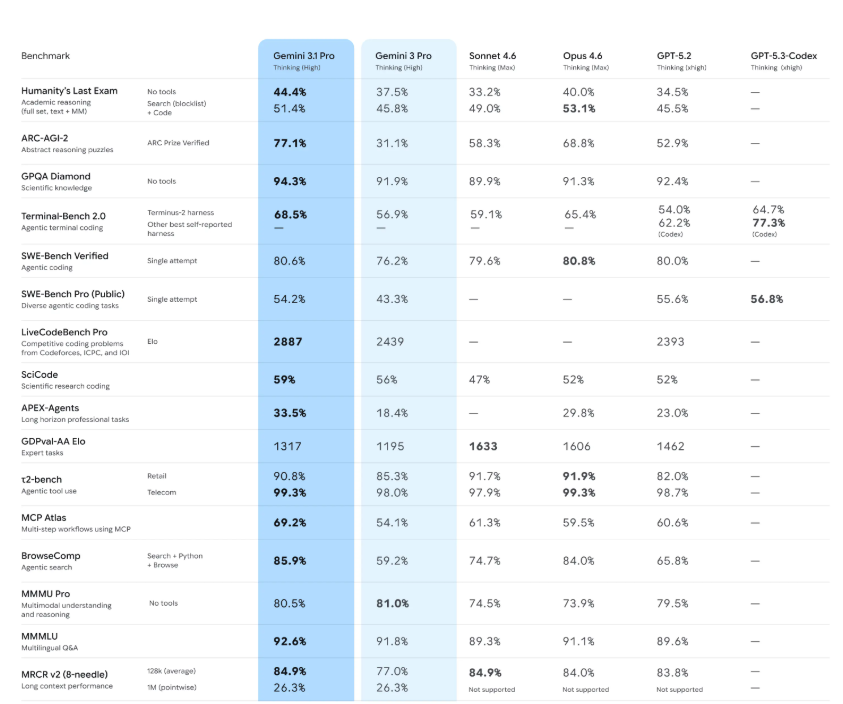
The numbers speak volumes about Gemini 3.1 Pro's capabilities:
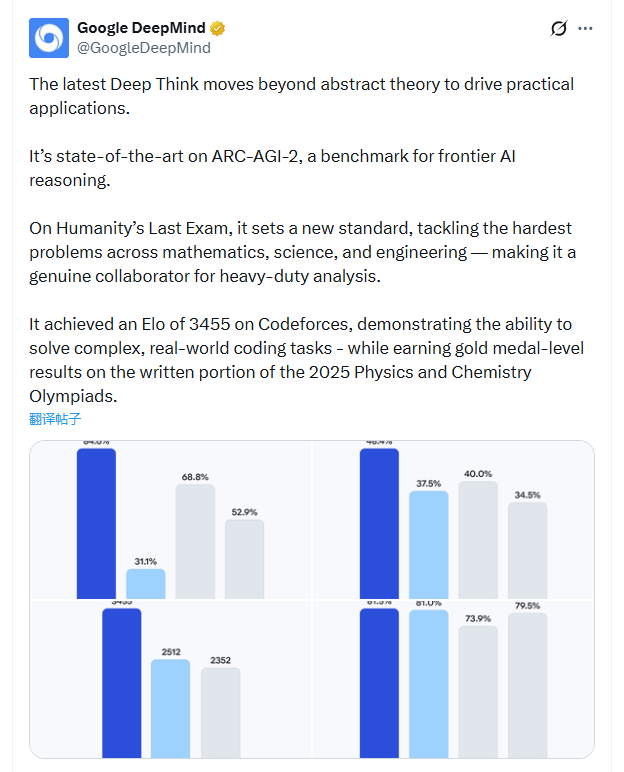
- 77.1% on the rigorous ARC-AGI-2 test - more than double its predecessor's score
- 44.4% accuracy on the challenging HLE assessment (often called "humanity's last exam")
- Clear leads over rival models GPT-5.2 and Claude Opus 4.6 in multiple categories
What makes these results particularly impressive is how they translate to real-world applications where nuanced understanding matters most.
Practical Superpowers for Developers and Users
Beyond raw benchmark numbers, Gemini 3.1 Pro brings practical innovations:
- Million-token context windows that maintain coherence over exceptionally long documents or conversations
- Advanced visual generation that transforms abstract concepts into clear charts and even interactive SVG animations
- Seamless integration across Google's ecosystem including the Gemini app and NotebookLM
The model is already available for hands-on exploration through Google AI Studio, giving developers early access to these cutting-edge capabilities.
Why This Matters Now
As AI becomes increasingly embedded in our daily tools and workflows, improvements in core reasoning abilities could redefine what we expect from our digital assistants. Google's latest offering suggests we're moving closer to AI that doesn't just retrieve information but genuinely understands and applies it in sophisticated ways.
The competition between tech giants continues to heat up, with each new release pushing the boundaries of what artificial intelligence can achieve. For now at least, Google appears to have taken a clear lead in this high-stakes race.
Key Points:
- 🚀 Doubled reasoning performance over previous models with superior benchmark results
- 🧠 Redesigned architecture focused on complex problem-solving and logical thinking
- 📊 Breakthrough multimodal features including visual generation from concepts and million-token context handling