Google's Gemini 3.1 Pro Doubles Down on AI Reasoning Power

Google Takes AI Reasoning to New Heights with Gemini 3.1 Pro

In a significant leap forward for artificial intelligence, Google has introduced Gemini 3.1 Pro, marking what could be a game-changer for researchers and developers working with complex problems. The new model doesn't just inch forward—it makes dramatic strides in reasoning capability that could reshape how we approach scientific challenges.

Breaking Down the Breakthrough

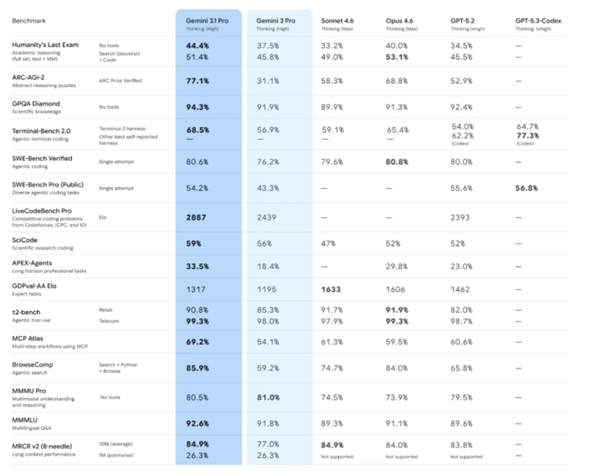
The numbers tell an impressive story: Gemini 3.1 Pro achieved a 77.1% score on the demanding ARC-AGI-2 benchmark test, which evaluates logical pattern processing. That's more than twice the reasoning performance of its predecessor, Gemini 3 Pro.

"We're seeing quantum leaps in AI's ability to handle sophisticated reasoning tasks," explains Dr. Elena Rodriguez, an AI researcher at Stanford University who wasn't involved in the project but has studied Google's previous models. "When you double performance metrics at this level, you're not just improving existing applications—you're enabling entirely new use cases."
Image

Where You Can Get Your Hands On It

Google isn't keeping this powerful tool locked away:

  • Developers can experiment through Google AI Studio or Android Studio's Gemini API
  • Enterprise teams gain access via Vertex AI and Gemini Enterprise platforms
  • Everyday users will find it powering the Gemini app and NotebookLM

The company is sweetening the deal for subscribers—Google AI Pro and Ultra members get higher usage limits plus exclusive access to NotebookLM's full functionality.

Why This Matters Beyond Benchmarks

The real-world implications extend far beyond test scores:

  1. Scientific research could accelerate dramatically with better problem-solving assistance
  2. Engineering challenges that currently require human experts might become more accessible
  3. Educational tools could provide deeper explanations rather than just answers
  4. Business analytics may uncover insights hidden in complex data patterns

The agent development platform Antigravity already shows promise for creating specialized assistants that leverage these enhanced reasoning capabilities.

The rollout comes at a pivotal moment in AI development—as competitors race to improve their models' reasoning abilities while maintaining accuracy and reliability.

Key Points:

  • Performance doubled: Reasoning capabilities now exceed previous generation by over 100%
  • Specialized focus: Optimized for scientific, engineering and research applications
  • Wide accessibility: Available across consumer apps, developer tools and enterprise platforms
  • Subscriber perks: Premium tiers unlock higher limits and exclusive features
Enjoyed this article?

Subscribe to our newsletter for the latest AI news, product reviews, and project recommendations delivered to your inbox weekly.

Weekly digestFree foreverUnsubscribe anytime

Related Articles

MiniMax's New AI Model Delivers Blazing Speed Boost
News

MiniMax's New AI Model Delivers Blazing Speed Boost

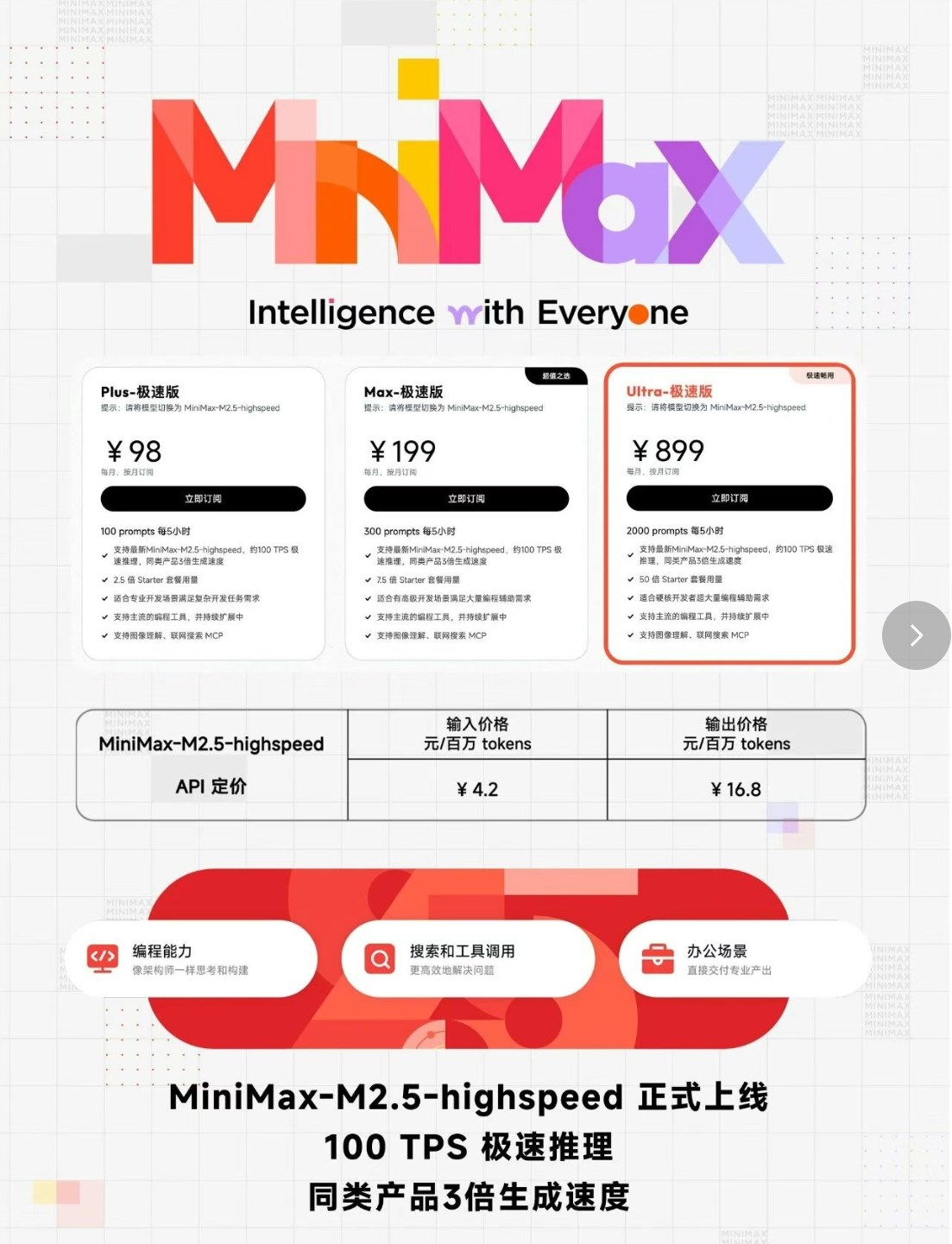
MiniMax's latest M2.5-HighSpeed model is turning heads with its impressive performance leap. Clocking in at three times faster than competitors, this upgrade handles up to 100 transactions per second - a game-changer for AI applications. Alongside the speed boost, MiniMax rolls out flexible pricing plans and referral discounts, making powerful AI tools more accessible than ever.

February 16, 2026
AI accelerationMiniMaxmachine learning
Google Gemini Hit by Massive AI Model Hack Attempt
News

Google Gemini Hit by Massive AI Model Hack Attempt

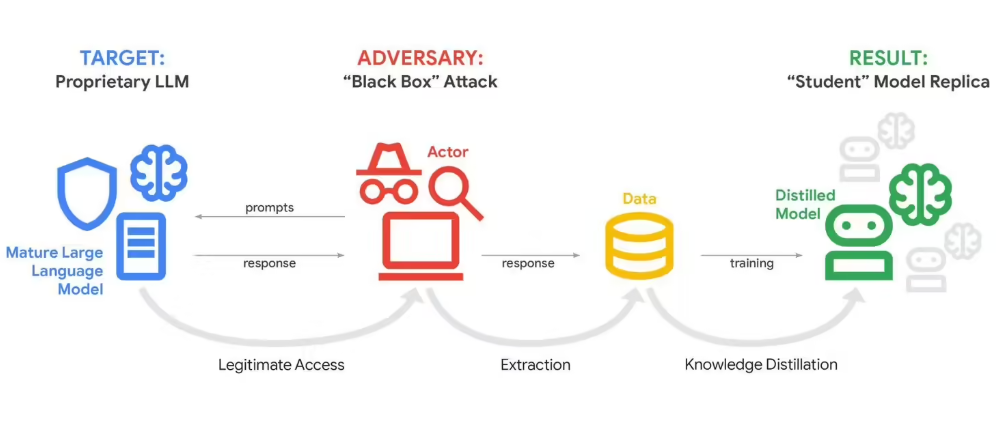
Google revealed its Gemini AI chatbot suffered a sophisticated attack where hackers bombarded it with over 100,000 prompts to extract its core algorithms. Security experts warn this 'model distillation' technique could become widespread, threatening corporate AI secrets. The incident highlights growing vulnerabilities as businesses increasingly rely on customized AI systems.

February 15, 2026
AI SecurityGoogle GeminiCyber Threats
News

Baidu Qianfan's New Coding Plan: Free AI Assistance for Developers

Baidu Qianfan has launched its Coding Plan, a subscription-free AI coding service that integrates top models like GLM-4.7 and DeepSeek-V3.2. This innovative platform offers full lifecycle code support, from writing to optimization, with seamless model switching. It's designed to make AI programming more accessible for both enterprises and individual developers, transforming AI from an occasional tool to a daily coding companion.

February 12, 2026
AI developmentprogramming toolsBaidu Qianfan
News

Flapping Airplanes Lands $180M to Teach AI Like Humans

AI startup Flapping Airplanes just scored $180 million in seed funding from top investors like Sequoia Capital. Unlike typical AI labs that rely on massive data scraping, this team wants machines to learn smarter - not harder - by mimicking human brain efficiency. Their ambitious goal? Make AI training 1000 times more data-efficient.

February 11, 2026
AI startupsmachine learningventure capital
News

Robots Get a Brain Upgrade: ForceGPT Unveils Game-Changing AI Model

In a major leap for robotics, ForceGPT has introduced DM0 - the world's first embodied native AI model designed specifically for robots. Unlike previous adaptations of language models, DM0 was built from the ground up to give machines intuition and learning capabilities. The surprisingly efficient 2.4 billion-parameter model topped global performance rankings while being accessible enough to run on consumer-grade hardware. With full open-source availability and companion development tools, this release could democratize robot development much like Android did for smartphones.

February 11, 2026
roboticsartificial intelligencemachine learning
News

China Unveils Massive 30,000-Card AI Supercluster

China has taken a giant leap in AI computing power with the launch of its first 30,000-card supercluster at Zhengzhou's National Supercomputing Internet hub. This massive computing pool, developed by Sunway in record time, supports trillion-parameter models and promises revolutionary breakthroughs across scientific fields. The system's open architecture makes it surprisingly accessible while offering unprecedented scalability.

February 6, 2026
AI infrastructurehigh-performance computingChina tech