Google Rolls Out AI-Powered Fraud Protection Features for Indian Users

Google Strengthens India's Digital Defenses with New Anti-Fraud Features

In response to India's escalating digital fraud crisis, Google unveiled two groundbreaking security measures on November 20, 2025. These innovations leverage artificial intelligence to protect users from increasingly sophisticated scams.

Real-Time Protection Against Fraud Calls

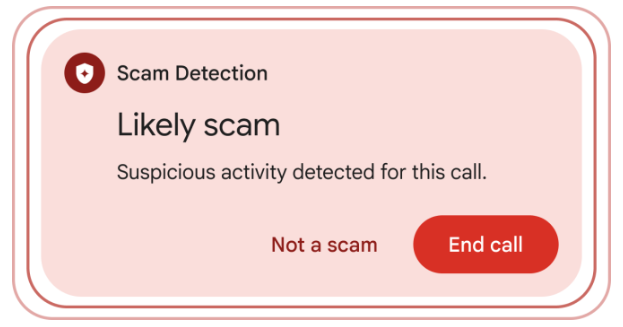
The Gemini Nano-powered call detection system represents a significant leap forward in mobile security. Exclusively available on Pixel 9 and newer models, this feature analyzes voice characteristics of unknown callers directly on your device - no cloud processing required. "We designed it to work entirely locally," explains Google's product team, "so conversations stay private while still getting protection."
Image

Financial Safety Nets During Screen Sharing

Partnering with major Indian fintech players like Navi, Paytm and Google Pay, the second feature tackles a growing scam tactic. When Android 11+ users access financial apps during screen-shared calls, the system displays an urgent warning banner with quick-action buttons. "One tap simultaneously ends the call and stops sharing," notes the security lead behind the project.

The Rising Tide of Digital Fraud

The timing couldn't be more critical. Official reports reveal:

  • 13,516 digital fraud cases recorded in 2024 (₹5.2 billion losses)
  • First five months of 2025 saw losses spike to ₹70 billion
  • Google Play Protect blocked 115 million risky app installations this year
  • Google Pay issues over 1 million suspicious transaction warnings weekly

"These aren't just statistics," emphasizes a Google spokesperson. "Each number represents someone's hard-earned money potentially saved."

Implementation Details Users Should Know

The fraud detection operates discreetly - disabled by default with only an alert sound when triggered. Currently supporting English interfaces, Hindi and other regional language options are coming soon alongside expanded banking app coverage.

Behind the scenes, Google continues collaborating with India's central bank to verify legitimate lending apps through its DigiKavach initiative (already reaching 250 million Indians). The company also plans releasing SynthID watermark detection tools to help developers identify AI-generated fake content.

Key Points:

  • Pixel-exclusive AI analyzes scam calls locally without cloud uploads
  • Screen sharing alerts activate during financial app use on supported Androids
  • Default-off setting prioritizes user control over automatic scanning
  • English support first, with Indian languages coming soon
  • Part of broader ₹70 billion fraud prevention effort
  • Future plans include watermark detection for AI content

Enjoyed this article?

Subscribe to our newsletter for the latest AI news, product reviews, and project recommendations delivered to your inbox weekly.

Weekly digestFree foreverUnsubscribe anytime

Related Articles

Google Chrome Integrates AI Features: What Users Need to Know
News

Google Chrome Integrates AI Features: What Users Need to Know

Google Chrome is rolling out its largest update yet, introducing AI-powered features like web page summaries, proactive task assistance, and enhanced security tools. The update, dubbed 'Geminiification,' will initially launch for English-speaking users in the U.S. While promising convenience, some users express concerns about privacy and default settings.

September 19, 2025
Google ChromeAI IntegrationBrowser Technology
Alibaba's Qwen Hits 100 Million Users Faster Than Expected
News

Alibaba's Qwen Hits 100 Million Users Faster Than Expected

Alibaba's AI assistant Qwen has reportedly crossed 100 million monthly active users just two months after launch, signaling strong adoption among students and professionals. While Alibaba hasn't confirmed the numbers, the rapid growth suggests China's appetite for AI tools is heating up. The app represents Alibaba's strategic push into consumer AI markets.

January 14, 2026
AlibabaAI AssistantsConsumer Tech
Anthropic's Cowork: An AI Assistant Built by AI in Just 10 Days
News

Anthropic's Cowork: An AI Assistant Built by AI in Just 10 Days

Anthropic has unveiled Cowork, a groundbreaking coding assistant developed primarily by its own AI model Claude in just over a week. Designed to help non-programmers complete technical tasks through simple voice commands, the tool represents a significant leap in making programming accessible. While still in alpha, Cowork's rapid development showcases the potential of AI-assisted creation - though users should be cautious about its file access capabilities.

January 14, 2026
AI developmentprogramming toolsAnthropic
PixVerse R1 Brings Virtual Worlds to Life with Real-Time 1080P Video
News

PixVerse R1 Brings Virtual Worlds to Life with Real-Time 1080P Video

Aishikeji's groundbreaking PixVerse R1 model is transforming digital creation by making virtual worlds instantly interactive. Combining three innovative technologies, it enables seamless real-time generation of high-definition environments where users can co-create content on the fly. From gaming to filmmaking, this technology promises to revolutionize how we interact with digital spaces.

January 14, 2026
virtual realityAI innovationreal-time rendering
Vidu's New AI Feature Turns Anyone Into a Music Video Director
News

Vidu's New AI Feature Turns Anyone Into a Music Video Director

Vidu's latest innovation lets users create professional-quality music videos in minutes with just background music, images, and text prompts. The system uses multiple specialized AI agents working together seamlessly - analyzing music, planning shots, generating visuals, and editing everything automatically. What used to require an entire production team can now be done during your coffee break.

January 14, 2026
AI video creationmusic videosautomated production
MiniMax Sets the Bar Higher with OctoCodingBench for AI Programmers
News

MiniMax Sets the Bar Higher with OctoCodingBench for AI Programmers

MiniMax shakes up AI programming benchmarks with OctoCodingBench, a fresh standard evaluating how well coding assistants follow rules—not just complete tasks. Unlike existing tests that focus solely on functionality, this new benchmark assesses compliance with seven crucial instruction sources, from system prompts to coding standards. With 72 real-world scenarios and Docker-ready environments, it's poised to reshape how we measure AI programming skills.

January 14, 2026
AIProgrammingCodingStandardsMiniMax