Google Gemini Now Crafts Personalized AI Art from Your Photo Memories

Google's Latest AI Move: Your Photos Become Personalized Art

Google just changed the AI art game by giving its Gemini assistant direct access to users' personal photo albums. The new feature, rolling out this month, allows your AI-generated images to feature real people and moments from your life - no manual uploads required.

How It Works

After enabling the Personal Intelligence option, Gemini can pull from your Google Photos library to create custom AI artworks. Imagine requesting "an animated version of last summer's beach trip" and getting back a stylized rendition featuring your actual family members. The system automatically detects faces and contexts from your photos to generate relevant content.

"This bridges the gap between AI creation and personal memory," explains Google's AI product lead. "Instead of generic stock images, you get artwork that means something to you."

The Tech Behind the Magic

The integration works with Google's Nano Banana image generation tool through a secure API connection. All photo access requires explicit user permission, and Google emphasizes that image data isn't used to train broader AI models.

Early testers report surprisingly accurate results:

  • Family portraits reimagined in different art styles
  • Childhood photos transformed into "what if" career scenarios ("Show me as a astronaut")
  • Pet photos turned into cartoon characters or historical figures

Why This Matters

This move represents a significant shift in AI personalization. While previous tools could mimic styles or generate original content, they lacked meaningful personal context. Now, the technology can work with your actual life experiences rather than just abstract prompts.

Privacy advocates have raised some concerns, though Google insists the system includes multiple safeguards:

  • Granular permission controls for different photo albums
  • Clear indicators when personal photos are being accessed
  • Easy opt-out options at any time

What's Next

Industry watchers predict this could be the start of a broader trend. "Personal context is becoming the next frontier in AI," says tech analyst Maria Chen. "After mastering general knowledge, the race is on to create assistants that truly understand individual users."

Google plans to expand the feature's capabilities later this year, potentially adding video transformations and 3D model generation from personal photos.

Key Points:

  • Direct photo access: Gemini can now use your actual photos for AI creations
  • No manual uploads: The system automatically connects to your Google Photos library
  • New creative possibilities: Generate personalized artworks featuring your real memories
  • Privacy controls: Users maintain full control over which albums are accessible
  • Industry impact: Signals a shift toward more context-aware AI assistants
Enjoyed this article?

Subscribe to our newsletter for the latest AI news, product reviews, and project recommendations delivered to your inbox weekly.

Weekly digestFree foreverUnsubscribe anytime

Related Articles

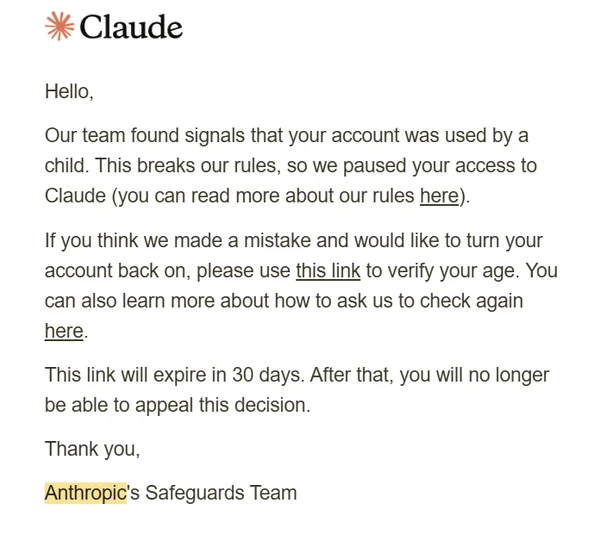
Claude's ID Check Stirs Privacy Fears and Account Lockouts
News

Claude's ID Check Stirs Privacy Fears and Account Lockouts

Anthropic's AI assistant Claude now requires users to submit live photos holding government IDs for verification, sparking privacy concerns. The policy has led to unexpected account suspensions, particularly affecting young developers. While the company cites security reasons, users question if the strict age limit of 18 is necessary when competitors allow younger teens. One father shared how his 15-year-old son lost access despite paying for premium services.

April 17, 2026
AI regulationdigital privacyage verification
News

AI Startup Factory Lands $150M to Power Next-Gen Coding Tools

In a major vote of confidence for AI-assisted programming, startup Factory just secured $150 million in funding at a $1.5 billion valuation. Backed by top investors like Khosla Ventures and Sequoia, the company helps enterprise clients like Morgan Stanley write better code by smartly switching between AI models. What makes Factory stand out in this crowded space? And how did a Berkeley PhD student turn a cold email into a unicorn?

April 17, 2026
AI programmingstartup fundingenterprise tech
News

Google Gemini's Interactive Simulations Make Learning Physics Feel Like Play

Google's Gemini AI has introduced a game-changing feature that transforms abstract concepts into interactive simulations. Imagine adjusting the moon's orbit with your fingertips instead of staring at static textbook diagrams. This hands-on approach could revolutionize how we learn complex subjects, making education more engaging and intuitive than ever before.

April 15, 2026
AI in educationInteractive learningGoogle Gemini
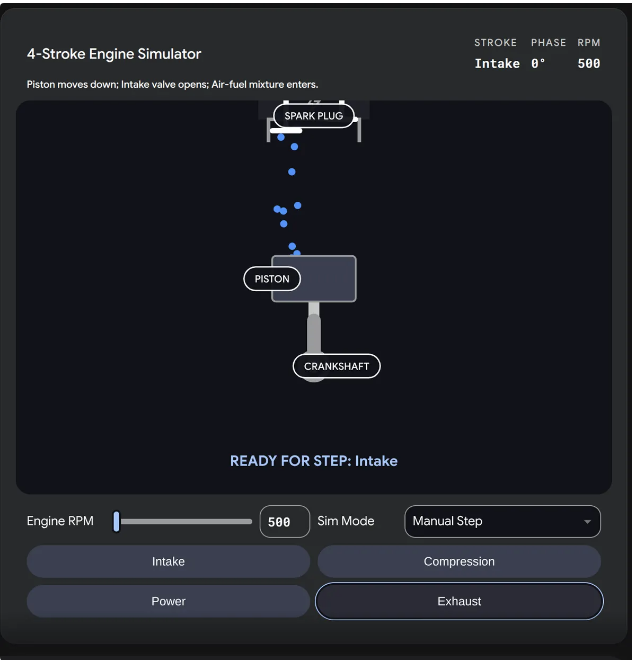
Google Gemini's Nano Banana Tech Brings Images to Life
News

Google Gemini's Nano Banana Tech Brings Images to Life

Google's Gemini AI assistant just got a whole lot more interactive. The new Nano Banana-powered feature transforms static visuals into dynamic simulations you can play with. Adjust moon orbits in real-time or take apart virtual engines - it's like having a science lab at your fingertips. While similar to Anthropic's Claude in some ways, Gemini offers unique tweaks to the experience, though saving these interactive demos isn't possible yet.

April 14, 2026
Google GeminiAI visualizationInteractive tech
News

Google's Gemini 'Notebooks' Brings Order to AI Chaos

Google's latest update to Gemini introduces 'Notebooks,' a feature that transforms the AI assistant into a powerful project management tool. Unlike fleeting chat interactions, Notebooks allow users to organize files, conversations, and personal instructions into dedicated workspaces. The feature, currently rolling out to premium subscribers, marks Google's push to make AI more personalized and productive for serious work.

April 9, 2026
Google GeminiAI productivityNotebooks feature
News

Amazon's Dual AI Bet: Why Backing Competing Startups Makes Business Sense

AWS CEO Andy Jassy defends Amazon's $13 billion investments in rival AI firms OpenAI and Anthropic, framing it as strategic hedging in a rapidly evolving field. At the HumanX conference, Jassy explained that this 'co-opetition' approach mirrors how cloud services evolved, where supporting multiple solutions ultimately grows the overall market. He predicts AI will move toward a 'routing model' that intelligently matches tasks with specialized systems.

April 9, 2026
AWSAI investmentscloud computing