Google Gemini's Interactive Simulations Make Learning Physics Feel Like Play
Google Gemini Brings Textbook Concepts to Life
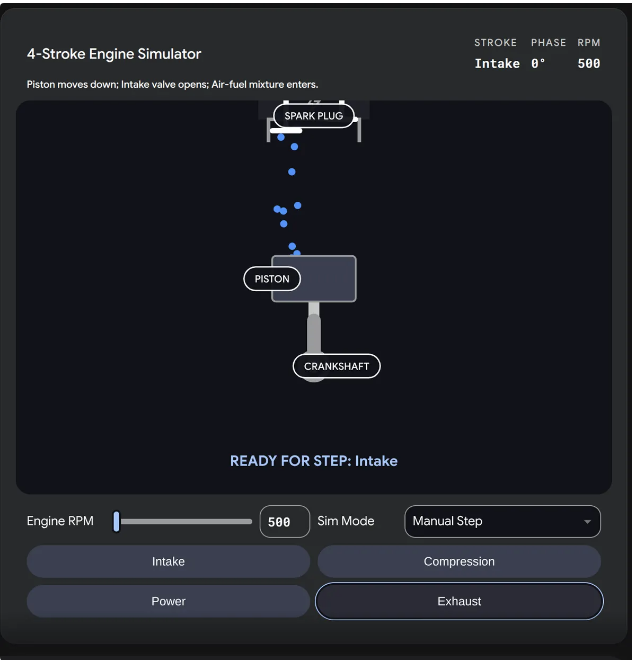
Education is about to get a whole lot more interactive. Google's Gemini AI platform has rolled out a surprising new feature that turns abstract concepts into playable simulations. No more passive learning - now you can explore physics principles by actually manipulating variables and watching real-time changes.
Learning by Doing
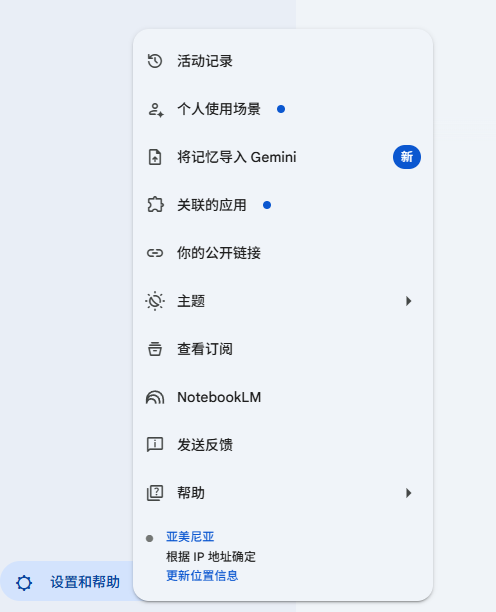
The feature works remarkably simply. Open Gemini (either through the app or website), switch to the Pro model, and type in any scientific concept. Within seconds, you'll have an interactive simulation at your fingertips. Want to see how gravity affects planetary motion? You can tweak mass, velocity, and distance, watching the celestial dance adjust instantly.
"It's like giving students a physics lab in their pocket," one early tester remarked. The moon orbiting Earth becomes more than a diagram - adjust the moon's speed and watch its path change from circular to elliptical in real time.
Why This Changes Everything
Traditional learning methods often struggle with abstract concepts. Static images and dense explanations leave many learners frustrated. But when you can:
- Drag a virtual pendulum to change its length
- Watch how friction affects a rolling ball
- Experiment with light refraction angles
The "aha" moments come faster and stick longer. Early adopters report spending hours playing with concepts they previously found confusing or boring.
Accessibility Meets Innovation
What makes this breakthrough particularly exciting is its simplicity. There's no special software to download, no complex setup required. Just type, press enter, and start experimenting. The interface feels intuitive enough for middle schoolers yet sophisticated enough for college physics majors.
Educators are already buzzing about potential classroom applications. "Instead of telling students about centripetal force," one teacher noted, "I can have them discover it themselves by adjusting variables in a virtual centrifuge."
Key Points
- Interactive learning: Turn abstract concepts into hands-on simulations
- Real-time feedback: Adjust variables and see immediate results
- Universal access: Works through standard Gemini interface with no special requirements
- Educational potential: Could transform how complex subjects are taught at all levels
As this feature rolls out globally, it raises fascinating questions about the future of education. Will textbooks become obsolete when every concept can be explored interactively? One thing's certain - learning physics just got a whole lot more fun.