Google DeepMind's D4RT Gives AI the Power to See Through Time
Google DeepMind Breaks New Ground With Four-Dimensional AI Vision
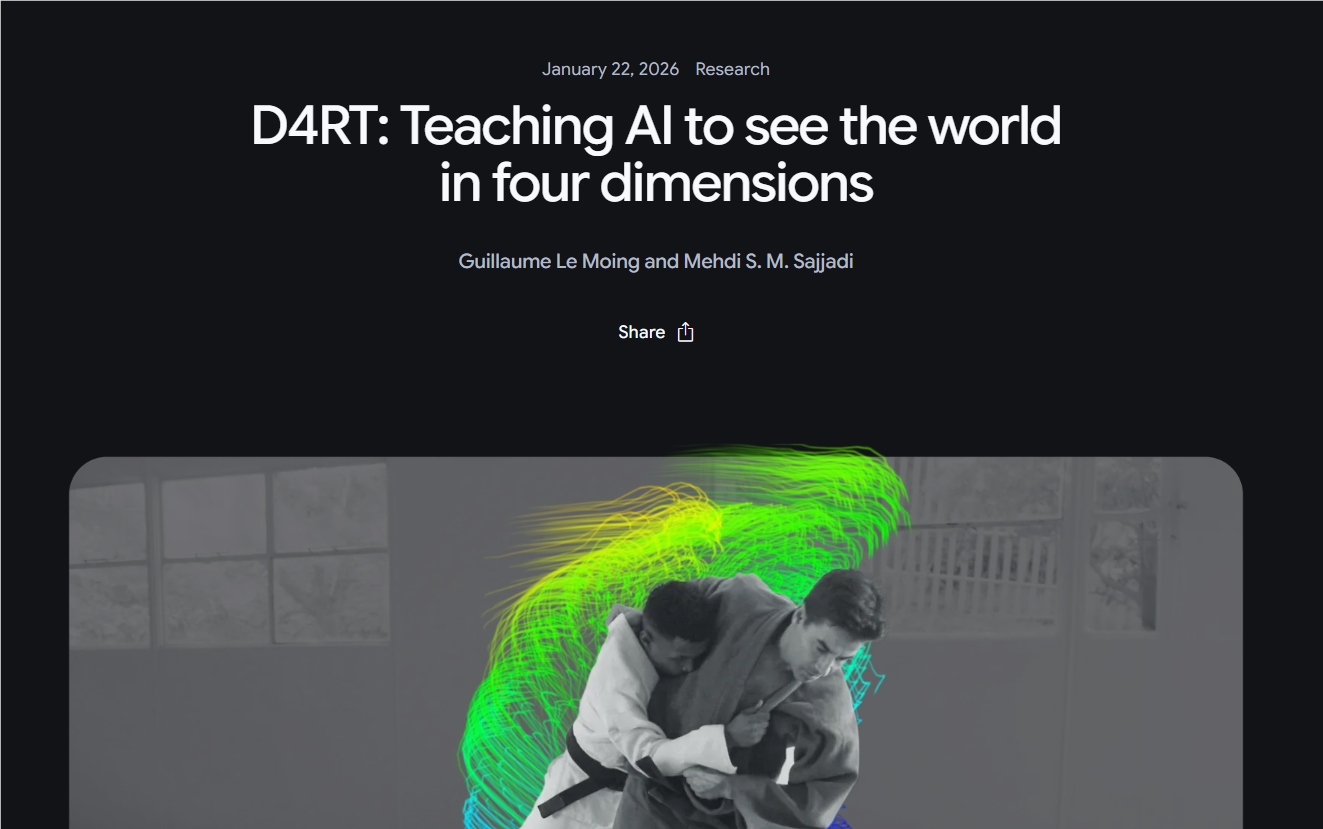
For years, computer scientists have struggled to give machines true visual understanding - the kind that lets humans not just see the present, but intuitively grasp how scenes evolve over time. Today, Google DeepMind's new D4RT model might finally bridge that gap.
From Flat Images to Living Worlds
The breakthrough comes from treating time as fundamental as length, width and height. "We stopped asking AI to assemble understanding from pieces," explains lead researcher Dr. Elena Petrov. "D4RT learns to see the world whole - past, present and probable futures."
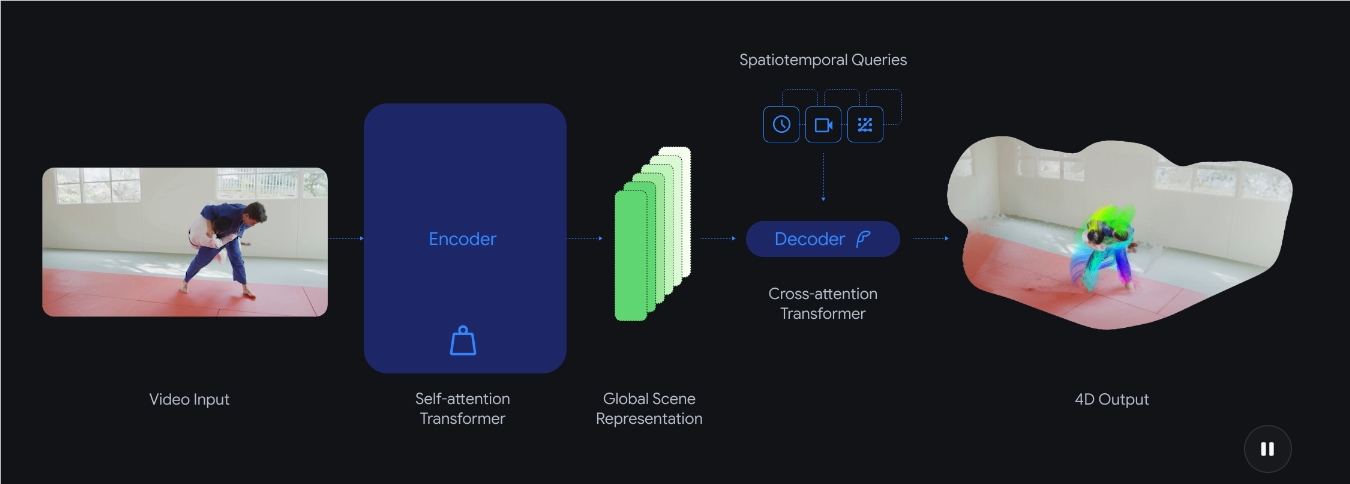
Traditional systems required separate models for depth calculation, motion tracking and perspective analysis - like assembling a jigsaw puzzle blindfolded. D4RT's elegant solution? Frame everything as answering one core question: "Where exactly does this pixel exist in space-time?"
Lightning-Fast Spatial Reasoning
The results speak volumes:
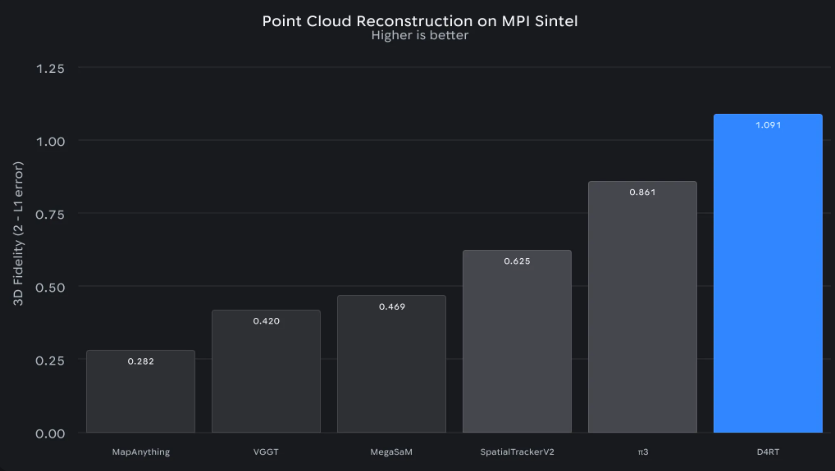
- Processes one minute of video in 5 seconds versus previous systems' 10 minutes
- Maintains object tracking even during occlusions or camera shifts
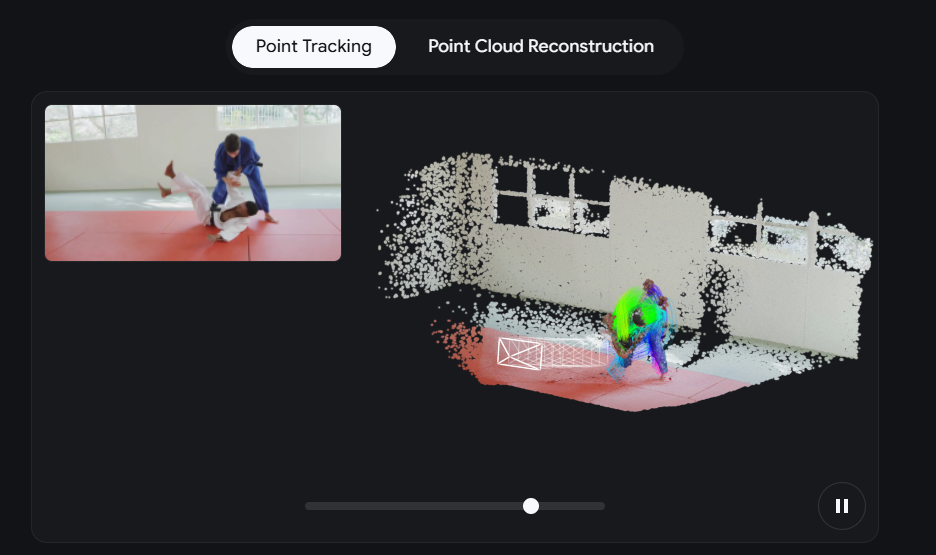
- Reconstructs 3D environments instantly without iterative refinement
"It's not just faster," notes robotics expert Jamal Chen. "This could let autonomous systems actually anticipate rather than react."
Practical Magic
The applications read like science fiction becoming fact:
- Robotics: Arms that adjust trajectories before collisions occur
- AR/VR: Glasses projecting stable holograms onto moving surfaces
- Smart Cities: Traffic systems predicting pedestrian flows
- Scientific Research: Reconstructing microscopic processes frame-by-frame
As Petrov puts it: "We're not teaching algorithms to see snapshots anymore. We're helping them perceive streams."
Key Points:
- Unified Architecture: Combines spatial and temporal processing in one model
- Real-Time Processing: Analyzes video up to 300x faster than predecessors
- Persistent Tracking: Maintains object awareness despite obstructions
- Broad Applications: From robotics to augmented reality interfaces