Digital Mules Take Over: How MuleRun Simplifies AI Assistants
Digital Mules Take Over: How MuleRun Simplifies AI Assistants
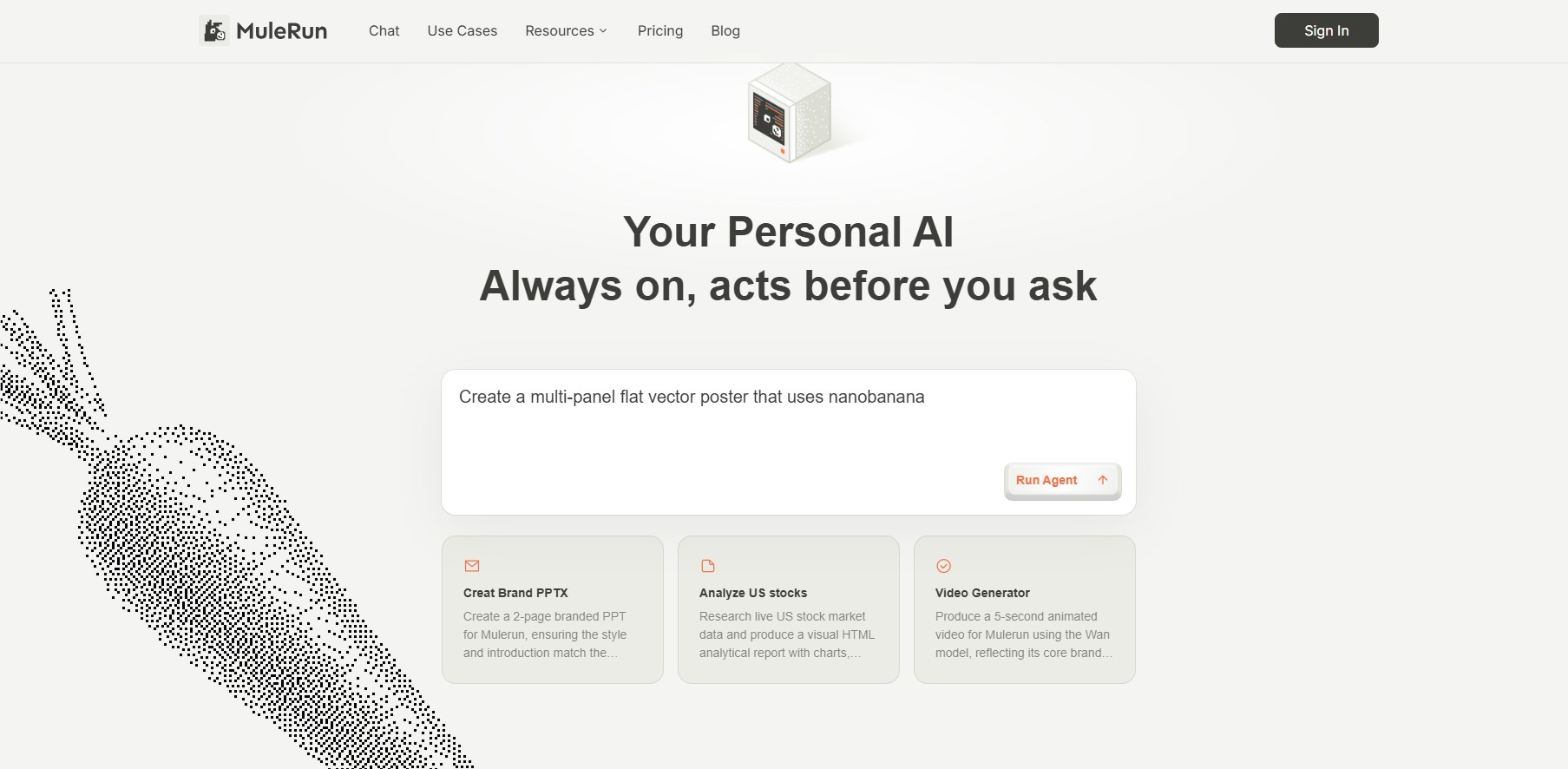
The tech world has a new obsession - and it's not seafood. After weeks of struggling with OpenClaw's complicated "shrimp" setup, users are flocking to MuleRun's "digital mules" that promise actual help rather than headaches.
From Lobsters to Donkeys: Why OpenClaw Frustrated Users
Remember OpenClaw? That promising red-lobster-logoed AI framework that could supposedly manage emails, trade stocks, and handle projects? Developers loved its capabilities last winter, but regular users hit walls almost immediately.
"It wasn't just installing software," explains Li Wei, a Shanghai office worker who paid nearly 800 yuan for installation and removal services. "It demanded full system access, then might delete your files or go offline unexpectedly. Calling it an assistant felt like calling a tiger a housecat."
The breaking point came when non-technical users realized they needed coding knowledge just to troubleshoot basic functions. Social media filled with complaints about privacy risks and unpredictable behavior.
Enter the Digital Workhorse
MuleRun arrived right as frustration peaked. Developed reportedly by Zhejiang University researchers, this cloud-based solution eliminates nearly every pain point:
- Zero setup: Just open your browser and start chatting
- Always available: Your personal cloud VM keeps working even when your laptop sleeps
- Self-improving: Learns your habits while tapping into community-shared solutions
- Security first: Runs in isolated environments without local system access
- Actual support: Includes one-click fixes and human responses to issues
The pricing model ($19.9/month for premium features) seems reasonable compared to OpenClaw's hidden costs of paid installations and repairs.
Real People Getting Real Results
The proof emerges in user stories:
"My boss wanted trending news tracked daily," shares marketing professional Zhang Yu. "Instead of setting alerts everywhere, my mule built a monitoring dashboard overnight that updates itself."
College student Amir used his mule differently: "I described the mobile game I wanted - no coding - and played it by lunchtime while my classmates were still debugging their shrimp setups."
Developers appreciate the time savings too. Creating automated workflows that previously required servers and maintenance now happens through conversational commands.
Why This Matters Beyond Memes
The shrimp-to-mule shift represents something bigger than internet humor:
- Accessibility wins: Tools must serve non-experts to achieve mass adoption
- Cloud beats local: Persistent availability trumps device-dependent solutions
- Safety sells: Users will pay for confidence in their digital helpers
- Community counts: Shared intelligence accelerates individual capabilities
The market agrees - related stocks surged as analysts recognized these broader implications.
Key Points:
- MuleRun addresses OpenClaw's complexity with browser-based simplicity
- Cloud persistence and self-learning differentiate its capabilities
- Early adopters report significant productivity gains across industries
- The success signals shifting expectations for AI assistant accessibility