DeepSeek V4 Launches with Two Flavors: Fast and Powerful AI at New Price Points

DeepSeek V4 Arrives with Dual Options

China's AI landscape just got more interesting with DeepSeek's launch of its V4 model series. The company is taking a smart approach by offering two distinct versions - think of it like choosing between a sports car and a luxury sedan, each built for different driving conditions.
Image

Meet the Models

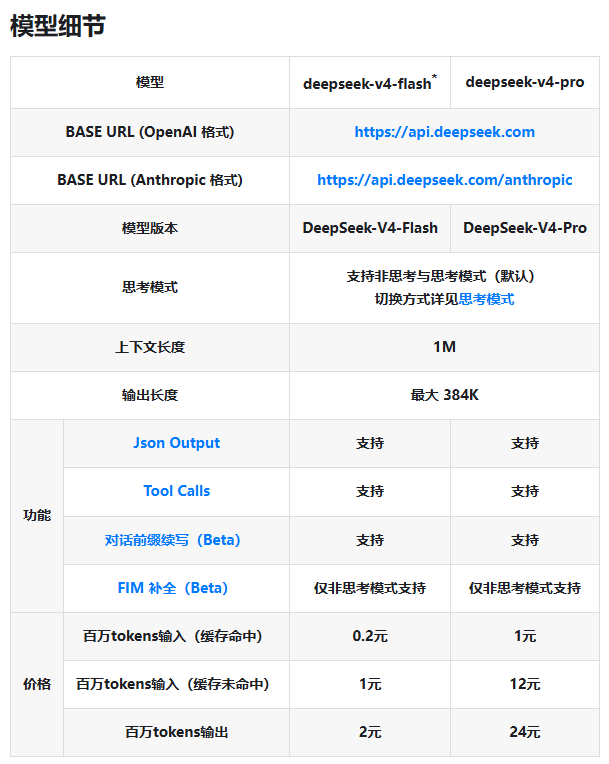
The DeepSeek-V4-Flash version is your go-to for everyday AI tasks that need quick responses without breaking the bank. Need fast chat responses or basic text processing? This is your economical choice.

For heavier lifting, the DeepSeek-V4-Pro steps up to handle complex logic problems and demanding computing jobs. It's the equivalent of upgrading from economy to business class when you need that extra brainpower.

Both models boast impressive specs:

  • Support for context windows up to 1 million tokens
  • Maximum output length of 384K tokens
  • JSON output and Tool Calls capabilities
  • Thinking mode (with some exceptions)

Pay-as-You-Go AI Pricing

The pricing structure reveals DeepSeek's clever strategy to encourage efficient computing:

Model Input (Cache Hit) Input (Cache Miss) Output

The dramatic price difference between cached and uncached inputs isn't accidental - it's designed to reward developers who optimize their systems. Think of it like getting a discount for bringing your own shopping bags.

Why This Pricing Matters

The Flash version at just ¥1 per million tokens (without caching) makes powerful AI accessible to more developers. Meanwhile, the Pro version offers enterprises an affordable domestic alternative for building sophisticated systems like knowledge bases or automated agents.

"This pricing structure encourages smarter system design," explains an industry analyst. "By rewarding efficient caching, DeepSeek helps businesses control costs while still delivering top-tier performance."

Transition Tips for Developers

The company warns that older model names (deepseek-chat and deepseek-reasoner) will eventually be retired. Developers should start migrating to:

  • deepseek-v4-flash for standard tasks
  • deepseek-v4-pro for thinking-mode applications

The full API documentation provides migration guidance to make this switch painless.

Key Points:

  • Two-model strategy covers both lightweight and heavy-duty AI needs
  • Innovative pricing rewards efficient caching practices
  • Flash version offers budget-friendly access at ¥1/million tokens
  • Pro version delivers advanced capabilities for complex applications
  • Transition period underway for existing implementations
Enjoyed this article?

Subscribe to our newsletter for the latest AI news, product reviews, and project recommendations delivered to your inbox weekly.

Weekly digestFree foreverUnsubscribe anytime

Related Articles

Google DeepMind's New Training Tech Keeps AI Learning Despite Glitches
News

Google DeepMind's New Training Tech Keeps AI Learning Despite Glitches

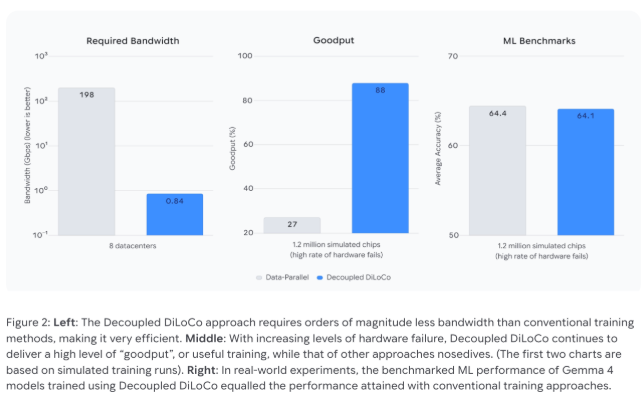
Google DeepMind has unveiled a clever solution to a big headache in AI training - hardware failures. Their new Decoupled DiLoCo system lets different parts of the training process work independently, so if one piece of equipment crashes, the rest keep humming along. Imagine a team where if someone calls in sick, everyone else just adjusts and keeps working - that's essentially what this does for AI training. Early tests show it maintains nearly 90% efficiency even when hardware starts failing, while traditional methods plummet to just 27%. Plus, it slashes bandwidth needs dramatically, opening doors for more accessible global AI collaboration.

April 24, 2026
AI researchmachine learningdistributed computing
News

Meta Taps Employee Data to Train AI, Raising Privacy Eyebrows

Meta is collecting detailed work behavior data from employees—including mouse movements and keystrokes—to train its new 'Muse Spark' AI model. While the company claims this will help AI better understand human computer use, the move has sparked concerns about workplace privacy boundaries in an era of heightened data sensitivity.

April 24, 2026
AI ethicsworkplace privacymachine learning
News

AI Apps Surge in Popularity: Doubao Leads as User Numbers Soar

China's AI application market is booming, with monthly active users surpassing 440 million in early 2026. Industry leaders Doubao, Qwen, and DeepSeek dominate the field, while user engagement reaches new heights. The data suggests AI tools are transitioning from novelty items to essential daily assistants.

April 22, 2026
AI applicationstech trendsmarket analysis
DeepSeek API Now Handles Million-Token Conversations Like a Pro
News

DeepSeek API Now Handles Million-Token Conversations Like a Pro

DeepSeek has supercharged its API, expanding context capacity from 128k to a whopping 1 million tokens - matching its app and web versions. The upgrade means conversations can now flow more naturally over longer exchanges. Alongside this leap, the knowledge base got a refresh too, now current through May 2025. While still text and voice-only (no images yet), these enhancements position DeepSeek as a stronger contender in the AI assistant space, especially with its V4 model launch expected soon.

April 22, 2026
AI assistantsDeepSeekAPI updates
News

NeoCognition Labs Raises $40M to Build Self-Learning AI Agents

AI research lab NeoCognition has emerged from stealth with $40 million in seed funding to tackle one of AI's biggest challenges: reliability. Founded by Ohio State's Professor Yu Su, the startup aims to create self-learning systems that can master professional domains like human experts. Backed by top investors including Vista Equity Partners, NeoCognition plans to transform enterprise SaaS with AI agents that evolve independently across industries.

April 22, 2026
AI researchstartup fundingmachine learning
News

NeoCognition Raises $40M to Build AI That Learns Like Humans

AI startup NeoCognition has secured $40 million in seed funding to develop next-generation AI agents that mimic human learning. The company, led by Professor Su Yu, aims to solve the current 50% success rate problem in AI task execution by creating systems that can specialize like humans. Backed by investors including Intel's CEO, the firm plans to target enterprise markets with customizable 'AI employees' that rapidly adapt to specialized fields like law and finance.

April 22, 2026
AI developmentmachine learningstartup funding