Cohere Takes on Tech Giants with Open-Source Speech AI for Everyday Devices

Cohere's Bold Move in Speech Recognition

In a strategic shift that could disrupt the AI landscape, enterprise-focused Cohere has unveiled Transcribe, an open-source speech recognition model built for the real world. Launched on March 26, 2026, this isn't just another massive AI model - it's a practical solution designed to run smoothly on your phone or laptop without constant cloud connectivity.

Small Package, Big Performance

What makes Transcribe stand out? At just 2 billion parameters (a fraction of some competitors' size), it delivers surprising accuracy across 14 languages including Chinese, Japanese, and Hebrew. Early benchmarks on Hugging Face show it outpacing established players like ElevenLabs Scribe and Alibaba's Qwen3 in real-world tests.

"We're seeing a shift in what businesses actually need," explains an industry analyst familiar with the launch. "Not every application requires a massive cloud-based model - sometimes you just need reliable speech recognition that works offline in a doctor's office or bank branch."

Privacy Meets Practicality

The model's edge-computing focus addresses two critical concerns:

  • Reduced latency: No more awkward pauses waiting for cloud processing
  • Enhanced privacy: Sensitive conversations stay on-device

This combination makes Transcribe particularly appealing for healthcare, finance, and customer service applications where every millisecond - and every data point - matters.

From Text to Speech: Cohere's Expanding Vision

While best known for its text generation capabilities, Cohere appears to be building toward something bigger. The company confirmed plans to integrate Transcribe into its North platform, suggesting ambitions to create comprehensive AI agents that can both understand and respond naturally.

"Voice interaction isn't just about convenience anymore," notes a tech strategist tracking these developments. "It's becoming the primary way people engage with technology. By open-sourcing this model, Cohere is effectively crowdsourcing its improvement while positioning itself as an alternative to closed ecosystems from IBM, Alibaba, and others."

The move echoes Meta's successful open-source playbook but applies it to an area where real-time performance matters more than raw power alone.

Key Points:

  • Lightweight design: Optimized for smartphones and edge devices
  • Multilingual support: Covers 14 major languages with strong accuracy
  • Open-source advantage: Apache 2.0 license encourages developer adoption
  • Strategic positioning: Complements Cohere's existing text AI capabilities
Enjoyed this article?

Subscribe to our newsletter for the latest AI news, product reviews, and project recommendations delivered to your inbox weekly.

Weekly digestFree foreverUnsubscribe anytime

Related Articles

Tongyi Lab's New AI Tool Brings Hollywood-Quality Dubbing to Everyone
News

Tongyi Lab's New AI Tool Brings Hollywood-Quality Dubbing to Everyone

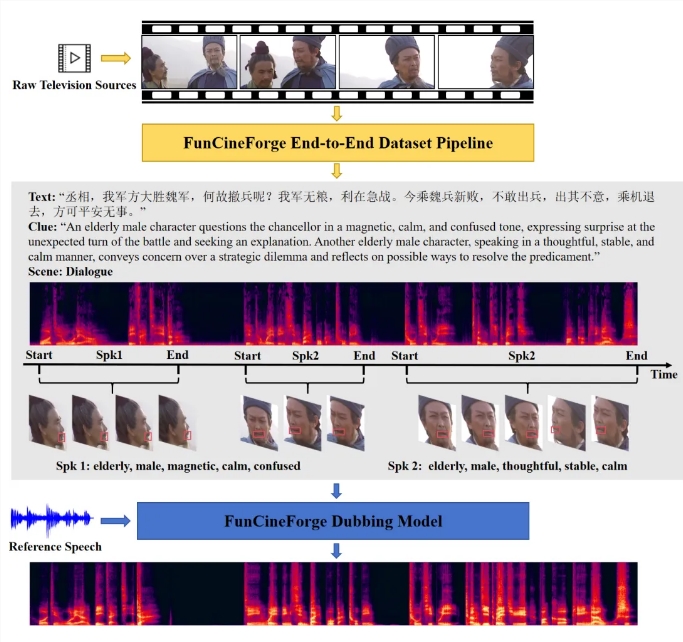
Tongyi Lab has unveiled Fun-CineForge, a groundbreaking open-source tool that solves one of AI dubbing's toughest challenges - realistic multi-person dialogue. Unlike traditional text-to-speech models, this film-grade system syncs voices with lip movements, maintains consistent character voices, and delivers emotional depth. The secret lies in its innovative four-modality fusion architecture and high-quality CineDub dataset. Early tests show it outperforms existing solutions, marking a significant leap forward for video localization and content creation.

March 16, 2026
AI DubbingVoice TechnologyOpen Source AI
Alibaba's New Compact AI Models Bring Powerful Capabilities to Edge Devices
News

Alibaba's New Compact AI Models Bring Powerful Capabilities to Edge Devices

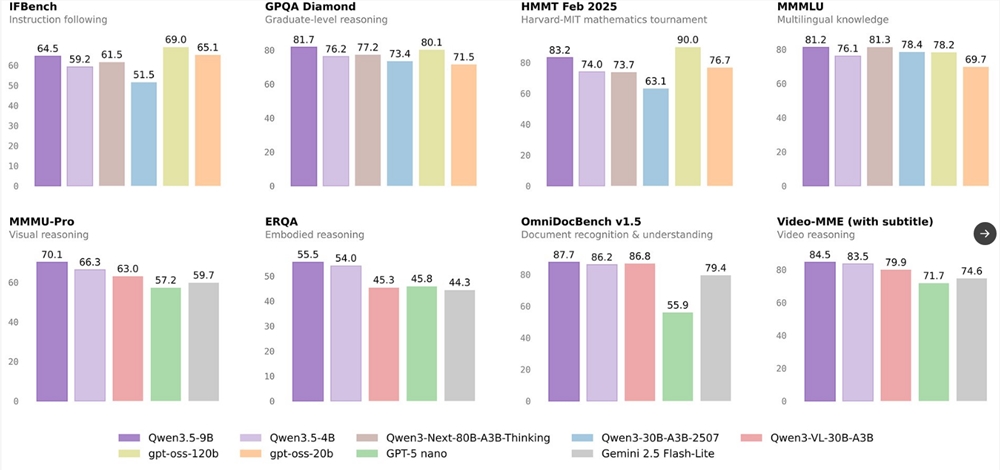
Alibaba's Qwen team has unveiled a series of lightweight AI models that pack impressive capabilities into small packages. These new models, ranging from 0.8B to 9B parameters, offer multimodal processing while being optimized for edge devices like smartphones and IoT gadgets. The smallest models deliver lightning-fast performance, while the larger ones rival much bigger systems in capability - all while consuming fewer resources. Available now on popular platforms, these models could revolutionize how we deploy AI in everyday devices.

March 3, 2026
Edge AIAlibaba QwenLightweight Models
News

JD.com Unveils Powerful JoyAI Model to Boost AI Innovation

Chinese e-commerce giant JD.com has open-sourced its new JoyAI-LLM-Flash model on Hugging Face. With 4.8 billion parameters and trained on 20 trillion text tokens, this AI powerhouse shows remarkable reasoning and programming capabilities. The innovative FiberPO framework helps solve traditional scaling issues while boosting efficiency.

February 16, 2026
JoyAILarge Language ModelsJD.com
Mistral AI's New Speech Model Achieves Near-Instant Chinese Transcription
News

Mistral AI's New Speech Model Achieves Near-Instant Chinese Transcription

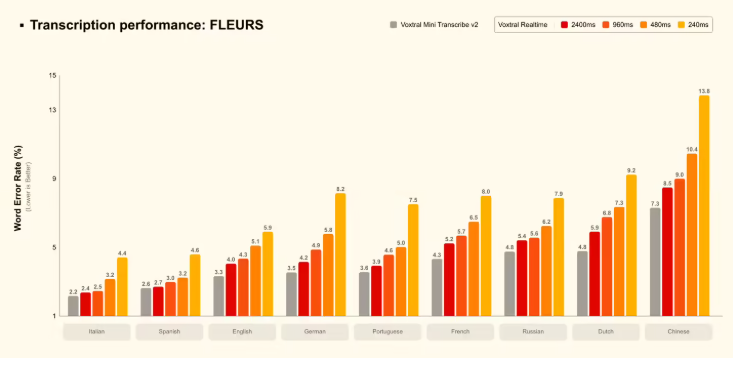
French AI startup Mistral AI has unveiled Voxtral Transcribe 2, featuring breakthrough real-time transcription capabilities. Their new models slash processing delays to under 0.2 seconds while supporting multiple languages including Chinese, offering developers powerful tools for voice applications at competitive prices.

February 5, 2026
Speech RecognitionAI InnovationReal-time Technology
China Telecom Takes AI Leap with Homegrown TeleChat3 Model
News

China Telecom Takes AI Leap with Homegrown TeleChat3 Model

China Telecom has unveiled TeleChat3, its latest AI model boasting full domestic development from chips to frameworks. Trained on a staggering 150 trillion tokens using China's own computing infrastructure, this model introduces innovative 'Thinking Mode' for transparent reasoning. The open-source release marks a significant step in China's push for AI self-reliance.

January 5, 2026
AI InnovationChinese TechnologyOpen Source AI
Ant Group's LLaDA2.0: A 100B-Parameter Leap in AI Language Models
News

Ant Group's LLaDA2.0: A 100B-Parameter Leap in AI Language Models

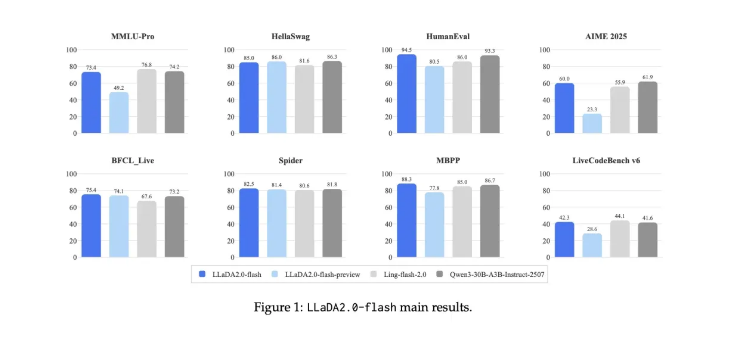
Ant Group has unveiled LLaDA2.0, a groundbreaking 100-billion-parameter diffusion language model that challenges conventional wisdom about scaling limitations. This innovative technology not only delivers faster processing speeds but also excels in complex tasks like code generation. By open-sourcing the model, Ant is inviting developers worldwide to explore its potential while pushing the boundaries of what diffusion models can achieve.

December 12, 2025
LLaDA2.0Diffusion ModelsAI Innovation