

China's AI Triumph: Three Open-Source Models Outperform Global Rivals
China Takes Lead in Open-Source AI Race
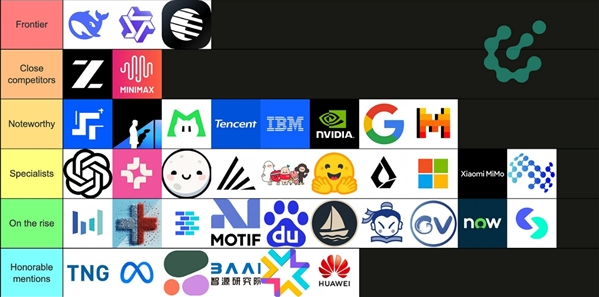
In a development reshaping the artificial intelligence landscape, three Chinese open-source models have emerged as global leaders according to new research. DeepSeek, Qwen (developed by Alibaba), and Kimi jointly claimed top honors in comprehensive evaluations conducted by AI researchers Nathan Lambert and Florian Brand.
The Standout Performers
The study examined models from 35 institutions worldwide, revealing surprising trends:
- DeepSeek's R1 demonstrated capabilities rivaling premium closed-source alternatives
- Alibaba's Qwen series successfully developed specialized versions for diverse industries
- Kimi made history by releasing the world's first trillion-parameter open-source model
The success wasn't limited to these frontrunners. Chinese models Zhipu and MiniMax secured strong second-tier positions.
Western Models Struggle
The contrast with American offerings proved stark:
- OpenAI's entries landed disappointingly in fourth tier
- Meta's Llama3—last year's darling—plummeted to bottom rankings Industry insiders whisper that Meta might abandon future open-source projects entirely.
What This Means
The results highlight China's strategic commitment to open-source AI development. While US companies increasingly favor closed ecosystems, Chinese firms embrace collaboration—and their approach appears to be paying dividends.
Will this mark a permanent shift in AI leadership? Only time will tell, but today's rankings suggest China holds significant momentum.
Key Points:
- Three Chinese models share top honors in latest AI evaluation
- Open-source approach contrasts with US companies' closed strategies
- Performance gaps wider than many analysts predicted
- Meta considering abandoning open-source development