China Accelerates AI Standards for Safety and Industry Growth

The State Administration for Market Regulation (SAMR) announced plans to accelerate the development of national artificial intelligence (AI) standards during a recent press conference. These measures aim to guide technological advancement, optimize applications, and strengthen the AI ecosystem while ensuring reliability.

Focus on Computing Platforms

SAMR will prioritize standardization in AI computing infrastructure, including:

  • Deep learning compilers
  • High-quality dataset benchmarks
  • Computing resource scheduling protocols These standards seek to improve resource allocation and data service efficiency across China's AI sector.

Image Image Source: AI-generated image, licensed by Midjourney

Large Model Technology Standards

The regulator will establish frameworks for:

  • Machine vision systems
  • Large-scale model inference engines
  • Multimodal integration technologies These guidelines will help unify industry approaches to developing and deploying advanced AI models.

Embodied Intelligence Advancements

New standards will cover emerging technologies such as:

  • Intelligent voice interaction systems
  • Computer vision applications
  • Knowledge graph implementations The measures aim to drive innovation in smart hardware and service upgrades.

Industry-Specific Applications

SAMR identified key sectors for AI integration:

  • Industrial manufacturing
  • Steel production
  • Healthcare systems
  • Smart home technology
  • Transportation networks The standards will facilitate deeper AI adoption in traditional industries undergoing digital transformation.

Data Security Measures

The initiative includes robust data protection protocols focusing on:

  • Generative AI training data security
  • Full lifecycle data governance
  • Ethical compliance frameworks Additional standards will address capability maturity assessments to ensure application reliability.

The regulator emphasized these measures will provide institutional support for China's AI industry growth, balancing innovation with responsible development.

Key Points

  1. SAMR is prioritizing standards for AI infrastructure, including computing platforms and large models.
  2. New guidelines will cover embodied intelligence technologies like voice interaction and computer vision.
  3. Sector-specific standards target manufacturing, healthcare, and transportation applications.
  4. Data security protocols will govern generative AI training and deployment processes.
  5. The initiative aims to accelerate industry growth while ensuring ethical compliance.
Enjoyed this article?

Subscribe to our newsletter for the latest AI news, product reviews, and project recommendations delivered to your inbox weekly.

Weekly digestFree foreverUnsubscribe anytime

Related Articles

Shanghai Registers 150 AI Models Amid Growing Tech Oversight
News

Shanghai Registers 150 AI Models Amid Growing Tech Oversight

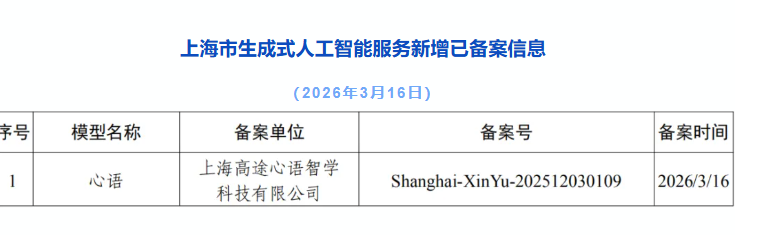
Shanghai's cyberspace authority has added another generative AI service to its registry this month, bringing the city's total to 150 approved models. The filings come as part of China's broader effort to regulate artificial intelligence while fostering innovation. Services must now clearly display their registration details and label AI-generated content.

March 16, 2026
AI RegulationGenerative AIChina Tech Policy
News

Midea's AI Revolution: 13,000 Digital Workers Powering the Future

Midea Group has quietly built an army of 13,000 AI agents that now handle everything from factory floors to smart homes. These digital workers collaborate across the entire manufacturing chain, making decisions in real-time at facilities like their Jingzhou washing machine plant. The company's transformation offers a glimpse into how traditional manufacturers are reinventing themselves through artificial intelligence.

April 3, 2026
AI in manufacturingIndustry 4.0Smart factories
News

AI Startup Takes Apple to Court Over App Store Ban and Missing Funds

Ex-Human, an AI company known for its controversial chatbots, has filed a lawsuit against Apple after the tech giant removed its apps from the App Store. The startup claims Apple failed to provide clear reasons for the ban while withholding $500,000 in revenue. The case highlights growing tensions between app developers and Apple's opaque review process, especially as the company expands into AI services that could compete with third-party offerings.

April 3, 2026
App Store ControversyAI RegulationTech Lawsuits
Beijing Greenlights 15 New AI Services in Latest Tech Push
News

Beijing Greenlights 15 New AI Services in Latest Tech Push

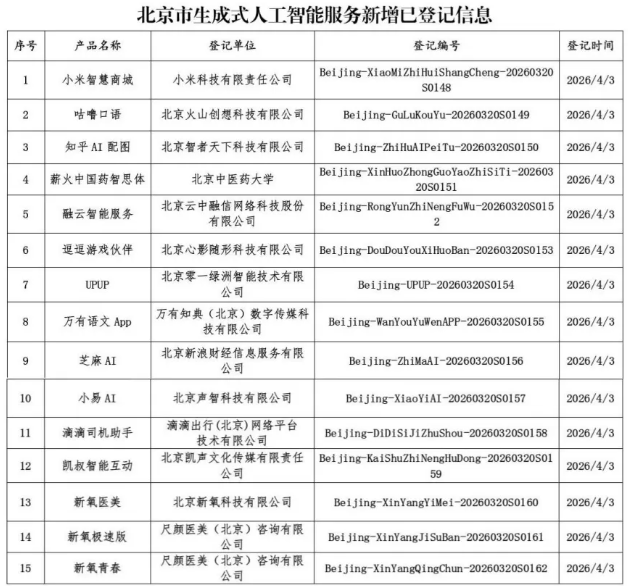
Beijing has officially registered 15 new generative AI services, marking another step in China's push to regulate and develop artificial intelligence. These services, now legally cleared for operation, must display registration numbers and label AI-generated content. The move aims to balance innovation with consumer protection as AI becomes increasingly woven into daily life.

April 3, 2026
AI RegulationGenerative AIBeijing Tech
News

China Backs Meta's AI Startup Deal With Clear Legal Conditions

China's commerce ministry has given cautious approval to Meta's acquisition of AI startup Manus, emphasizing that all tech deals must follow Chinese laws. The move signals Beijing's balancing act between encouraging innovation and maintaining regulatory oversight in the fast-growing AI sector. Analysts see this as Meta's strategic push to strengthen its position in general artificial intelligence.

April 3, 2026
MetaArtificial IntelligenceChina Tech Policy
News

OpenAI Wins Appeal: Italian Court Overturns €15 Million Privacy Fine

In a significant legal victory, OpenAI has successfully appealed a €15 million fine imposed by Italian regulators over ChatGPT's data practices. The Rome court's decision lifts financial pressure from the AI developer while raising fresh questions about balancing innovation with privacy protections across Europe. While the full reasoning remains undisclosed, this reversal could influence ongoing AI regulation debates worldwide.

March 20, 2026
OpenAIAI RegulationPrivacy Laws